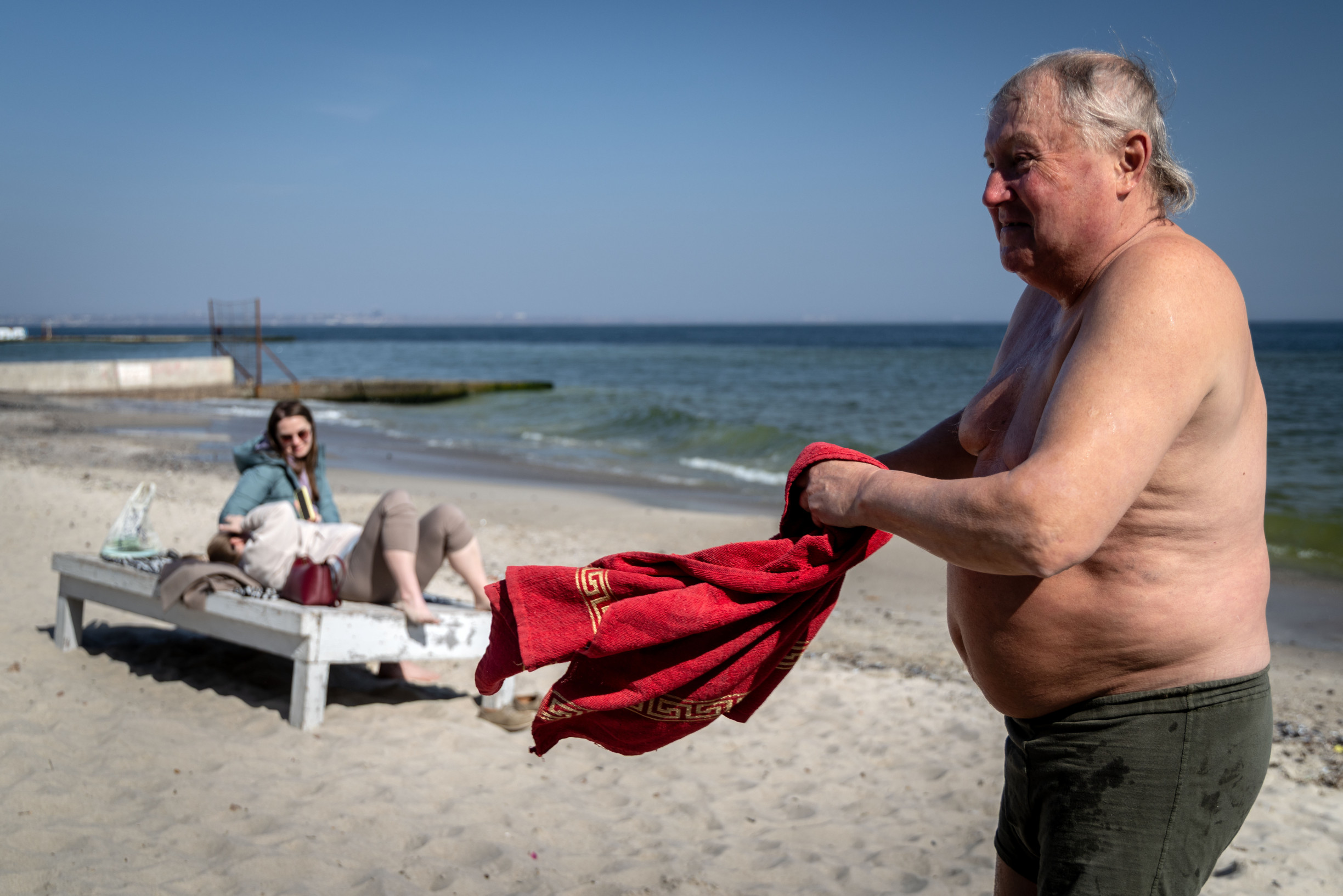
A scene unfolds on Lanzheron, the oldest and most famous public beach in Odesa: a semblance of normalcy persists despite ongoing conflict.
Following a frigid winter and sustained Russian strikes that repeatedly cut power to the crucial Ukrainian port city, warmer weather has arrived. Families with children and residents walking their dogs stroll along the beach, largely unconcerned by the presence of a pickup truck equipped with a heavy machine gun.
Two Ukrainian soldiers in uniform operate a mobile unit designed to counter the frequent threat of Russian drones.
At a nearby bar, a young waitress serves the first beers and cocktails of the season. The idyllic atmosphere is punctuated by the sound of gunfire every five minutes, but Odesa residents continue their activities on the sand, seemingly unfazed. Two boats remain anchored a short distance from the shore.
The gunfire, it turns out, is from training exercises as soldiers learn to intercept the drones Russia uses to terrorize the city, which they have been unable to capture.
“It’s impossible,” said Oleksandr Kovalenko, a well-known military analyst known as “Bad Odesan.” He made the statement during a meeting near a military museum, adjacent to a Soviet-era submarine from World War II.
Kovalenko explained that Odesa residents once fought against Nazis, constructing an extensive labyrinth of catacombs for defense. Today, they are defending against Russia, successfully pushing Russian forces away from the Black Sea coast despite lacking a navy of their own.
Russia’s Top Priority: Terrorizing the City
Despite the failure of all attempts to capture Odesa since the annexation of Crimea in 2014, pro-Kremlin propagandists remain fixated on taking the city, repeatedly referring to it as Russian.
The history of this multiethnic city extends far beyond the late 18th century, when Catherine II acquired it following a Russo-Turkish War and renamed it Odesa. Ancient Greek colonies once existed on the Black Sea shore, and the steppes of the region were traversed by Mongols and Turks, who previously held the fortress of Khadzhibey.
Approximately 150 ethnic groups call Odesa home, Kovalenko stated proudly.

For years, the sea has brought prosperity to Odesa, but for the past four years, it has delivered deadly Russian attacks instead of tourists and merchant ships. Whereas a drone flying towards Kyiv may travel across half of Ukraine and be intercepted over the steppe, drones targeting Odesa fly low over the Black Sea, making them difficult to detect.

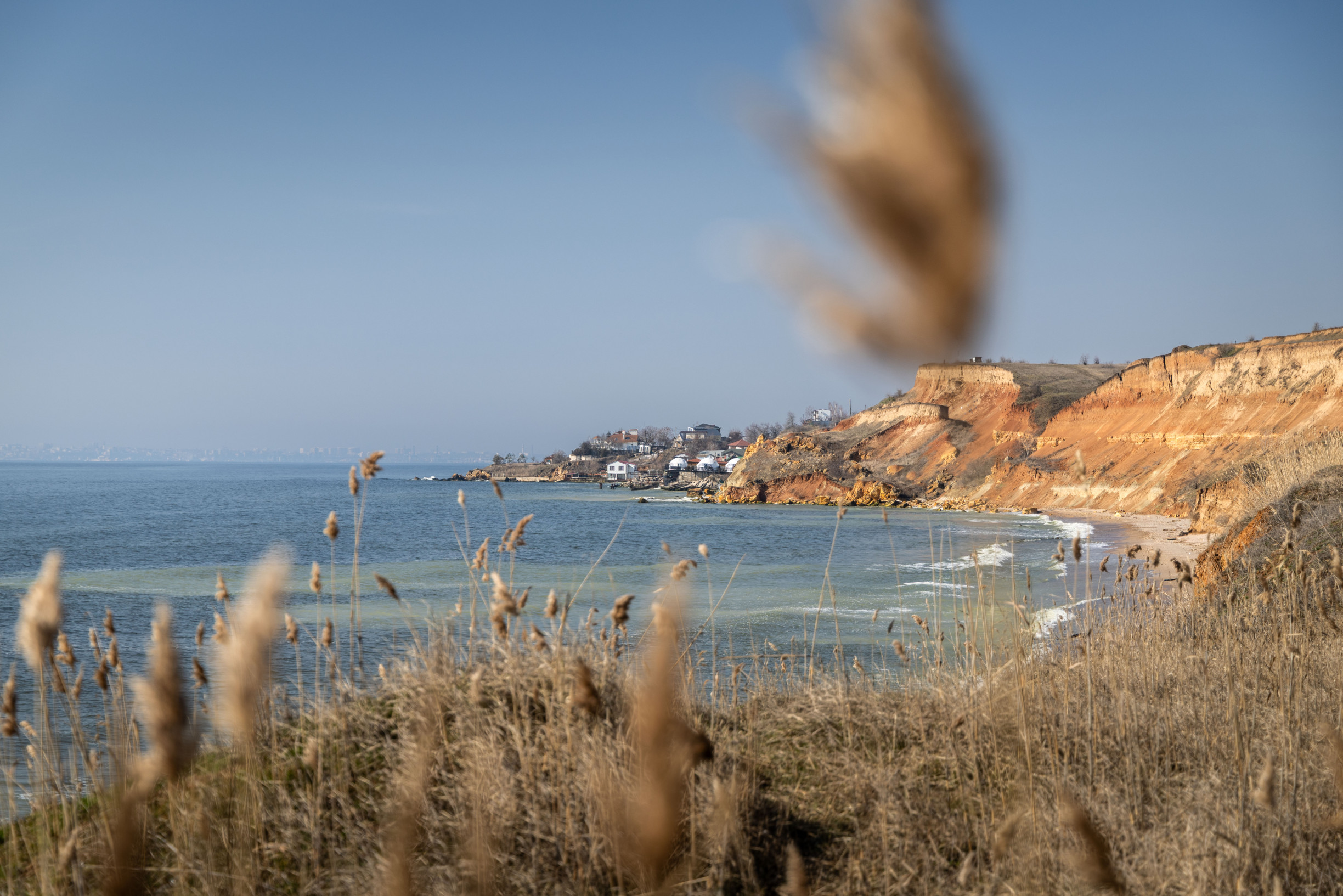
Photo N – Tomáš Benedikovič