Saudi Arabian officials and analysts are urgently assessing the potential impact on crude oil prices following escalating conflict in the region. The assessments come after attacks by the United States and Israel on Iranian targets in late February.
According to several high-ranking oil industry representatives who spoke with the Wall Street Journal, a baseline scenario predicts oil prices could surpass $180 per barrel – approximately 3700 Czech koruna – if disruptions to supply continue through the end of April.
This outlook is causing significant concern within the Kingdom, whose economy heavily relies on revenue from oil exports. Sustained high prices could lead to a substantial decrease in consumption or trigger a recession, potentially damaging long-term demand.
“Saudi Arabia does not favor rapid increases in oil prices, which create long-term market instability,” Umer Karim, an analyst of Saudi Arabian foreign policy and geopolitics at the King Faisal Center for Research and Islamic Studies, told the Journal.
“For the Saudis, a relatively moderate price increase is ideal, whereas their market share remains stable,” he added. Saudi Aramco, the nation’s oil company, declined to comment on the projections.
Brent crude, the globally recognized benchmark for oil pricing, was trading around $105 per barrel – approximately 2200 Czech koruna – on Friday. Prices were around $70 per barrel before the conflict, roughly 1400 koruna, and briefly spiked to $120 per barrel, about 2500 koruna, following the initial attacks.
On Friday morning, oil prices dipped slightly after Israel pledged to refrain from further attacks on energy infrastructure and reports indicated a decrease in Iranian strikes on energy facilities. Prices fluctuated throughout the day, however, and considerable uncertainty remains.
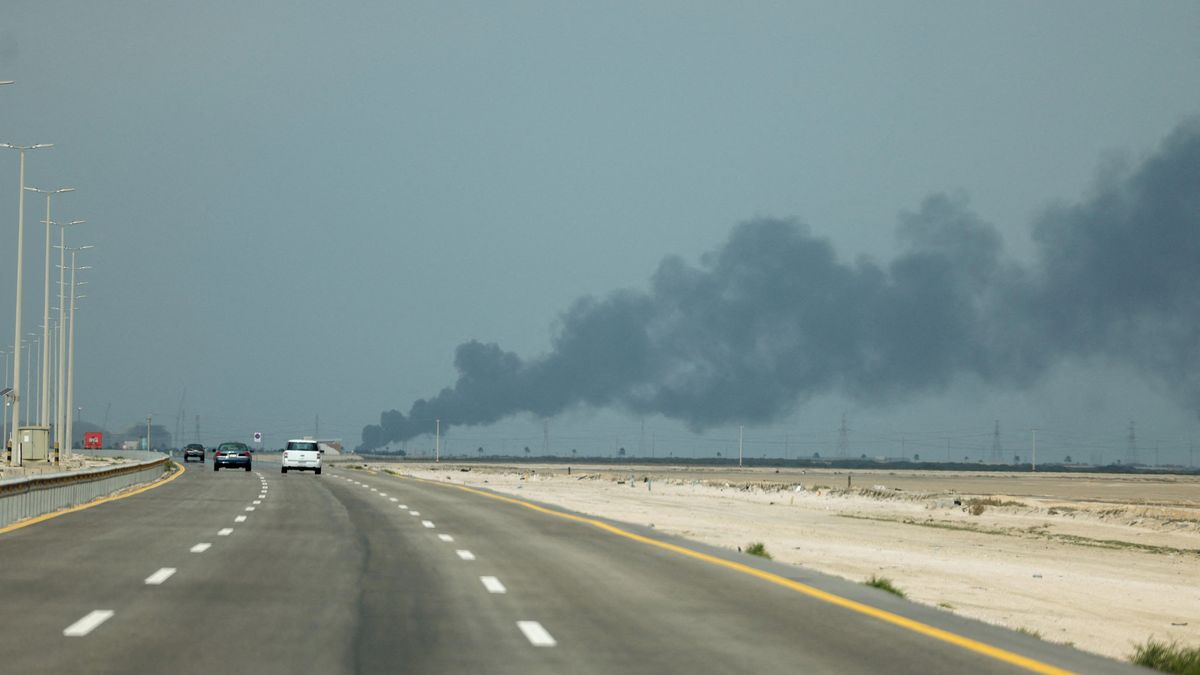
A fire broke out again Friday morning at the Mina al-Ahmadi refineries in Kuwait following a drone attack. The national oil company had previously announced a fire at one of the refinery’s operating units on Thursday after a drone attack, and later reported a smaller fire at its second major refinery, Mina Abdullah.
The Israeli strike on the Iranian gas field earlier this week prompted retaliatory strikes across the Middle East and drew criticism from U.S. President Donald Trump.
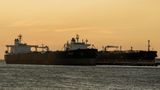
The United States is considering lifting sanctions on Iranian oil currently held on tankers at sea, according to Treasury Secretary Scott Bessent. Bessent indicated that the oil from Iranian tankers would likely go to China, potentially helping to keep oil prices lower for approximately two more weeks, The Guardian reported.
Anketa
Omezili jste kvůli cenám pohonných hmot jízdy autem?
Celkem hlasovalo 2801 čtenářů.