

Global energy markets and the Oslo Børs are experiencing extreme volatility as geopolitical tensions between the U.S. And Iran fluctuate, directly impacting the valuation of energy-sector equities and the stability of global oil supplies.
Oil Markets React to Fragile Iran Ceasefire
The energy sector has seen a dramatic rollercoaster of pricing following a declared ceasefire in the Iran conflict. According to reports from E24, the announcement of the truce initially triggered a collapse in oil prices, which had previously hovered around $110 per barrel. By the close of business on Wednesday, April 9, 2026, North Sea oil (spot) was trading at $93.8 per barrel.
Still, this stability proved short-lived. By Thursday, April 10, 2026, North Sea oil rose to $98.82 per barrel. The volatility is being driven by accusations from Iranian parliamentary leader Mohammad Bagher Ghalibaf, who claimed that the United States violated the two-week ceasefire. This instability highlights the critical link between geopolitical diplomacy and the operational costs of the global digital and industrial economy.
Oslo Børs Recovers After Massive Sell-Off
The Oslo Børs felt the immediate impact of these shifts. On Wednesday, April 9, 2026, the main index plummeted by 2.8 percent, with DN reporting that 164 billion NOK vanished from just three oil stocks as the ceasefire lifted global markets but crushed oil-heavy indices.
The market rebounded on Thursday, April 10, 2026, with the main index climbing 1.86 percent. Major energy players saw significant recoveries:
- Equinor: Up 4.75 percent
- Aker BP: Up 5.49 percent
- Vår Energi: Jumped 5.64 percent
fertilizer giant Yara rose 4.1 percent, recovering from a 10 percent collapse on Wednesday. The shipping index also saw a gain of 1.18 percent.
Logistical Bottlenecks in the Strait of Hormuz
Despite the fluctuations in stock prices, physical transit remains a primary concern. Tom Erik Kristiansen, an analyst at Pareto Securities, noted that shipping through the critical Strait of Hormuz remains nearly paralyzed. On Wednesday, April 9, 2026, only four vessels passed through the strait. Shipping companies are reportedly awaiting further clarity regarding transit terms from Tehran, insurance requirements, and official signals from the Iranian government.
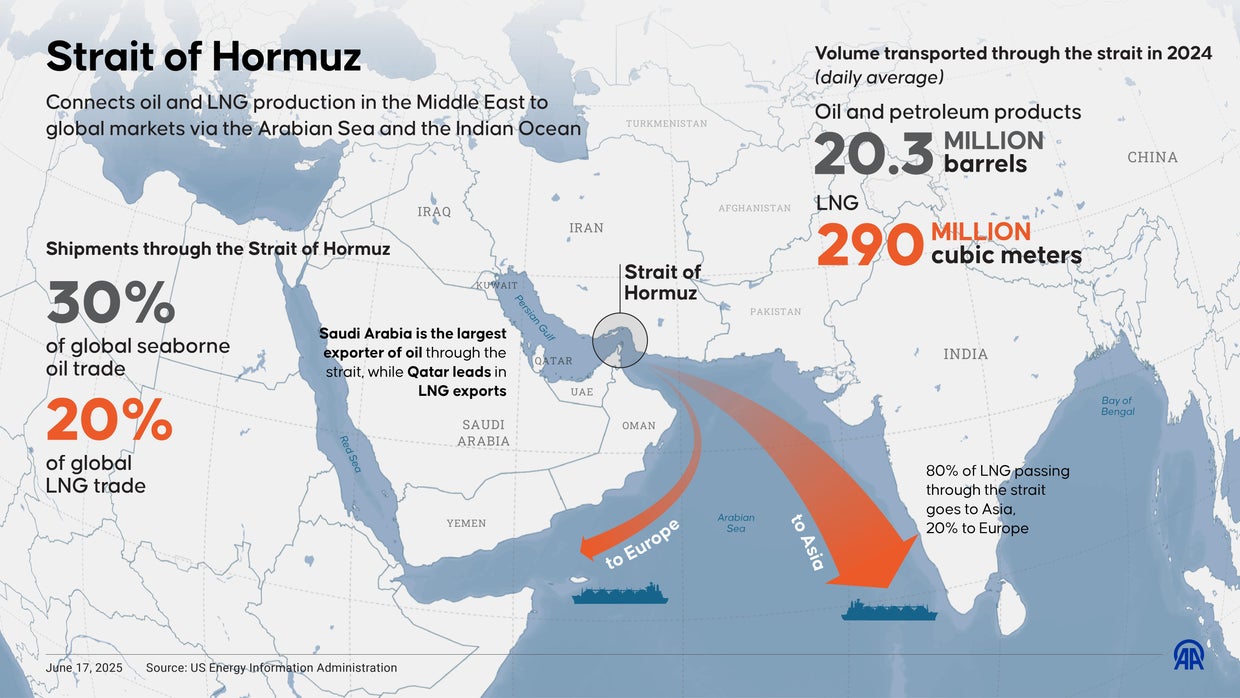
This logistical deadlock underscores the fragility of global supply chains, where a single geographic bottleneck can disrupt the flow of energy essential for powering global tech infrastructure.
Corporate Updates and Sector Risks
Beyond the energy crisis, other sectors are facing headwinds. Grieg Seafood shares dropped 6.28 percent following a warning of weaker results. SEB analyst Sander Lie attributed the decline to challenges with sea temperatures and sea lice. Lie suggested that consensus estimates for 2026 could drop by 12–15 percent before the company releases a detailed first-quarter update around May 21, 2026.
