
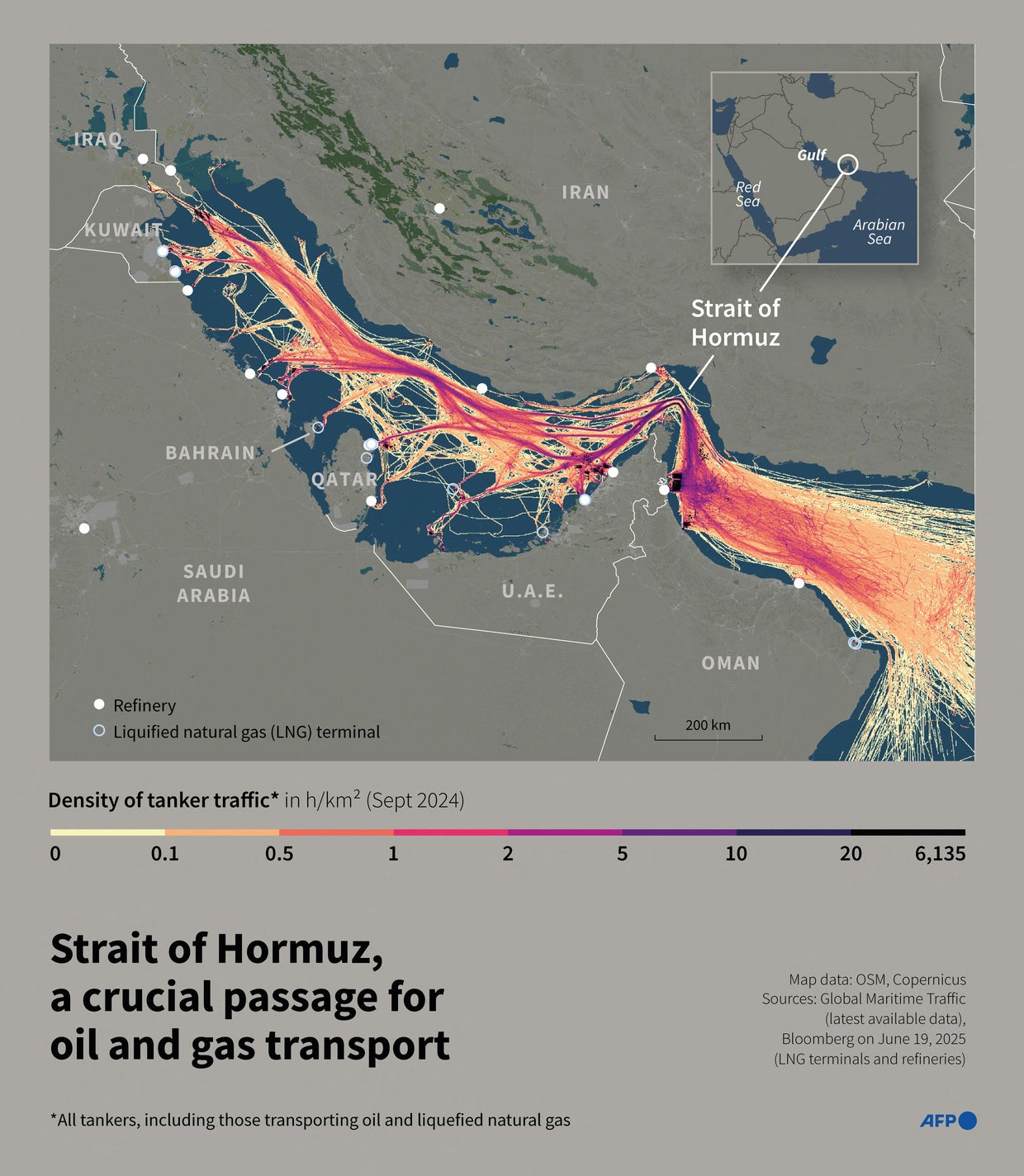
Global energy markets are facing a renewed wave of volatility as spot oil prices surged to $120 per barrel, reflecting deep investor skepticism over the stability of the current ceasefire between the United States and Iran. The price spike underscores the fragile nature of the truce and the ongoing instability surrounding the Strait of Hormuz, a critical artery for global energy supplies.
This latest climb follows a period of sharp decline on August 4, 2026, when oil prices dropped approximately 17% to near $90 per barrel. That correction occurred after U.S. President Donald Trump announced a two-week ceasefire with Tehran, contingent upon the immediate reopening of the Strait of Hormuz. At that time, U.S. Crude futures settled at $94.41 per barrel (down 16.41%), while Brent crude fell to $94.75 per barrel (down 13.29%).
Though, the relief was short-lived. The current market rally is being driven by continued disruptions in the Hormuz region and a perceived fragility in the truce. Adding to the tension is an emerging “oil rebellion” in Washington, where major energy giants are reportedly resisting the terms of the agreement, refusing to trade access to the strait for what are described as Iranian “tributes.”
The strategic importance of the Strait of Hormuz cannot be overstated, as it handles approximately 20% of the world’s total energy supplies. Iran has consistently utilized the waterway as a sophisticated tool of geopolitical leverage. During the height of the conflict on March 17, 2026, the Iranian Revolutionary Guard Corps (IRGC) threatened that it would not allow “one liter of oil” to be shipped through the region if U.S. And Israeli attacks continued.
Despite those threats and the official closure of the strait—which left over a thousand cargo ships stranded—U.S. Reports indicated that Tehran continued to export its own oil through special arrangements. This period of instability saw oil prices jump more than 40% from pre-war levels, frequently exceeding $100 per barrel. While Iranian Foreign Minister Abbas Araghchi previously stated that safe passage would be coordinated with the armed forces in exchange for a cessation of attacks, spot prices have surged to $120 per barrel despite the ceasefire agreement.
The current state of energy markets is defined by extreme uncertainty, as traders weigh the potential for a full-scale return to hostilities against the economic necessity of keeping the world’s most vital energy corridor open.
