
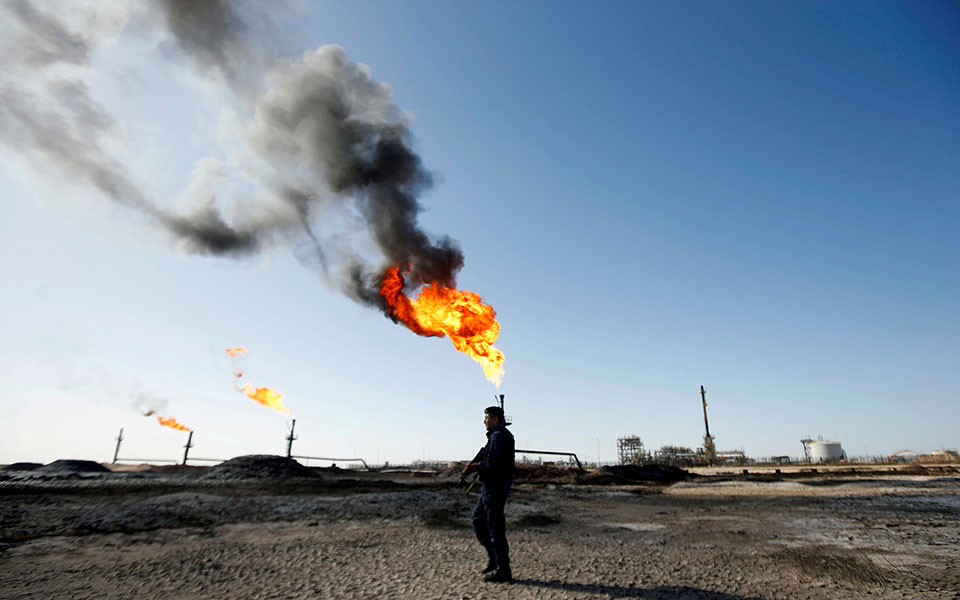
The world is reacting as the conflict in the Middle East creates the largest disruption to oil supplies in history, with Iran threatening to raise prices to $200 a barrel. The escalating tensions have prompted a coordinated response from major global economies, seeking to stabilize markets and mitigate potential economic fallout.
Iran has warned that the world should “prepare for oil at $200 a barrel,” asserting that the price is dependent on regional security. This statement, made by a spokesperson for the Iranian military, Ebrahim Zolfaqari, came as three ships were reportedly attacked in the Persian Gulf on Wednesday, March 12, 2026.
In response to the threat, 32 of the world’s wealthiest nations – members of the Organisation for Economic Co-operation and Development (OECD) – have agreed to release 400 million barrels of oil from strategic reserves in an attempt to curb rising prices. The move, coordinated with the International Energy Agency (IEA), represents a record injection of supply into the market.
The IEA confirmed on Wednesday, March 12, 2026, that a total of 400 million barrels would be released, coinciding with Iran’s warning of $200 per barrel oil. The agency coordinates emergency reserves held by OECD countries, totaling over 1.2 billion barrels, with the United States holding the largest share.
Brent crude oil rose 5% by the close of trading on Wednesday, March 12, 2026, exceeding $92 a barrel. European gas prices also increased, climbing nearly 4% to over €49/MWh. The situation underscores growing regional tensions and the potential for significant global economic disruption.
Portugal may release up to 10% of its oil reserves, but no date has been set, according to Environment and Energy Minister Maria da Graça Carvalho. She indicated that any release would be coordinated at the European level, emphasizing that Portugal’s contribution would be “almost symbolic.”
Former U.S. President Donald Trump predicted the war would end “soon,” stating on Wednesday, March 12, 2026, that there was “practically nothing left to attack” in Iran. He also suggested the U.S. Navy was prepared to escort tankers through the Strait of Hormuz if necessary.
The Iranian Revolutionary Guard has repeatedly warned it is prepared to block tankers in the vital Strait of Hormuz, through which approximately 20% of the world’s oil and gas supply passes. A spokesperson stated that no “single liter” of Middle Eastern oil would reach the U.S. And its allies while attacks continue, adding, “We are the ones who will determine the end of the war.”
The U.S. Has announced the destruction of 16 Iranian vessels allegedly laying mines in the strait. Meanwhile, reports indicate that recent attacks by Iran and Israel have been among the most intense of the conflict, according to the U.S. Department of Defense.
According to the Iranian ambassador to the United Nations, Amir Saied Iravani, more than 1,300 civilians have been killed in Iran by U.S. And Israeli bombings, with nearly 8,000 homes destroyed, along with dozens of medical, educational, and energy infrastructure facilities, and 1,600 service and commercial centers.
In Israel, 11 people have been killed, including seven U.S. Soldiers, and 140 have been injured. The White House has warned that the war will not end until “the enemy is totally and decisively defeated,” according to Defense Minister Pete Hegseth, adding that the conflict will conclude when Donald Trump decides.
Saudi Aramco, the world’s largest oil exporter, warned on Tuesday, March 11, 2026, of “catastrophic consequences” should the Strait of Hormuz be closed, stating that the longer the disruption lasts, the more drastic the consequences will be for the global economy.
Portugal currently holds oil reserves sufficient for 93 days of national consumption, and gas reserves for four weeks. The IEA has expressed particular concern about diesel supplies, given the concentration of refineries dedicated to this fuel in the Middle East.
Minister Carvalho indicated that Portugal would participate in a coordinated release of reserves if prices continue to rise, noting that the country currently has no supply shortages but is facing price pressures. She also expressed concern about gas supplies, though Portugal relies heavily on renewable energy sources for electricity generation.
European countries have been coordinating their response, with Luxembourg leading the efforts. The next week is “very important,” with European energy ministers meeting in Brussels on Monday, March 17, 2026, and political groups convening mid-week, followed by a European Council meeting on Thursday and Friday.
Discussions will focus on issues such as the role of gas in the electricity market and protecting electricity prices. Minister Carvalho expressed hope that the conflict would be resolved within three to four weeks, emphasizing that the issue is price-related, not scarcity.
