

The One World Film Festival will kick off with a moving tribute to Belarusian political activist Mikalaj Statkevič, who will receive the Homo Homini award for his dedication to human rights. The festival begins March 2, 2026 and will showcase over 100 films across various genres.
Statkevič, a prominent figure in the Belarusian opposition, was recently released from prison after six years, following a stroke and a period of hospitalization. His story of resilience, even after refusing forced exile, has resonated internationally.
The festival’s opening ceremony, held at Prague Crossroads, will also feature the world premiere of the Hungarian film “Tak to mělo bejt” (roughly translated as “That’s How It Should Have Been”). The film will be presented by its star, 20-year-old rap artist Pogány Induló.
“The charm of the film lies both in its dynamic editing, which complements Pogány’s operate, and in its approach to portraying a personality – or rather, personalities – that are constantly changing,” said Tomáš Poštulka, the festival’s head of programming, according to a festival announcement.
Poštulka added that the film explores the complexities of self-definition in the modern world, the challenges of maintaining focus, and the difficulties of navigating fame at a young age, all set against the backdrop of Hungary’s increasingly censored political climate. The rapper, who lives with ADHD, has faced scrutiny due to his substance use, particularly in light of new Hungarian drug laws.
This year’s festival, the 28th edition of One World, will be held in Prague through March 19, with screenings at ten cinemas, and will expand to seven additional venues across the Czech Republic, running through April 24. The festival will reach a record 60 cities this year.
“In a time when we feel growing tension all around us, we want to create a space where we can talk openly and freely. A place where we can share our experiences, name injustices, offer courage, and remind ourselves that human rights affect us all every day,” said festival director Ondřej Kamenický.
The main competition section will feature compelling stories from crisis zones alongside intimate portraits of individuals. Among the highlights is “Liška a růžová luna” (Fox and the Pink Moon), which follows a 16-year-old Afghan girl documenting her attempts to escape to Europe to reunite with her mother, as well as the physical abuse she endures.
Trailer z filmu Liška a růžová lunaVideo: Festival Jeden svět
The Iranian film “Projet přes překážky” (Over the Obstacle) centers on a free-spirited motorcyclist who became the first woman elected to local office in a conservative society, now fighting for young girls’ rights and encouraging women to participate in elections.
“Spolu svářeny” (Welded Together), a Belarusian documentary, tells the story of a young welder living with her alcoholic mother and struggling to care for her younger sister.
The Israeli film “Ano” (Yes) follows a morally conflicted protagonist tasked with composing a new, more aggressive anthem for the Jewish state following the October 7, 2023, terrorist attacks by Hamas. Despite his reservations, he accepts the commission to support his family.
“Dráha ze Sarajeva” (The Track from Sarajevo), a documentary, focuses on three teenagers in post-war Sarajevo who are rebuilding a bobsleigh track and training for the Olympics, facing challenges of corruption and dwindling resources.
Foto: Jeden svět
Dráha ze Sarajeva vypráví o třech mladých klucích, kteří bojují za svůj olympijský sen a šanci na lepší život.
The festival will also showcase “Bojovníci světla” (Fighters of Light), a documentary exploring a community built by a wellness influencer in Germany, and “Voda, co mě drží pod vodou” (Water Keeps Me Under Water), a visually stunning film offering a glimpse into the ocean’s depths.
Organizers also highlighted “Hlas Hind Radžab” (The Voice of Hind Rajab), a Tunisian film by Kaouther ben Hania, currently nominated for an Oscar and set for release across the Czech Republic next week. The film follows Red Crescent volunteers as they attempt to rescue a six-year-old girl trapped in a car during the conflict in Gaza.
Films are divided into four competitive sections, complemented by eight non-competitive program blocks dedicated to themes such as everyday heroism, climate change, and technological threats. Educational screenings for elementary and middle school students will also be offered under the “Jeden svět na školách” (One World at Schools) platform.
Guests at the festival include Ukrainian documentarian and former soldier Alisa Kovalenko, whose film “Po stopách” (In the Footsteps) addresses the trauma of Ukrainian victims of wartime sexual violence, and Iranian documentarian Nima Sarvestani, whose “Před komisí smrti” (Before the Death Commission) seeks justice for his brother, executed by the theocratic regime.
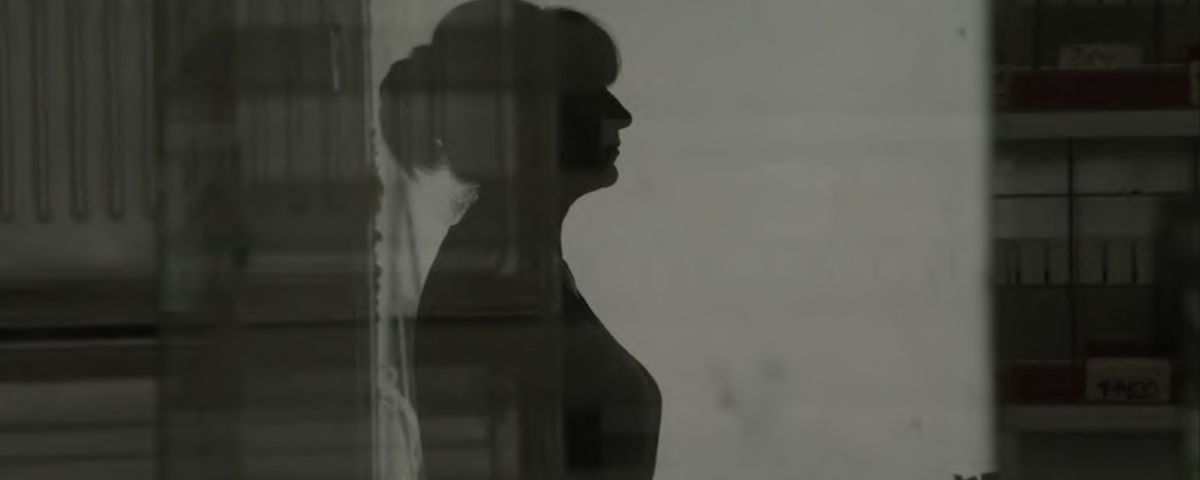
Foto: Jeden svět
Film Po stopách zprostředkovává svědectví ukrajinských žen, které byly znásilněné ruskými okupanty.
Stella Nyanzi of Uganda, a human rights activist and the subject of the documentary “Žena, která dráždila leoparda” (The Woman Who Provoked the Leopard), will also be in attendance. Bulgarian director Stefan Komandarev will personally present his new film, “Made in EU,” a critical look at working conditions in modern Europe.
“Who would have thought that a film set during the Covid era would have nothing more to say today, is sorely mistaken,” dramaturge Kamila Dolotina wrote. According to her, the crisis society experienced during the coronavirus pandemic has not yet received deeper reflection.
Last year’s One World Film Festival was won by “Písně o zemi v plamenech” (Songs About the Land in Flames) by Ukrainian director Olga Zhurbа. The International Competition jury prize for directing went to Elizabeth Lo for her film “Krotitelka milenek” (The Lover’s Tamer). The Prague portion of the festival drew over 22,000 attendees, and One World at Schools was attended by 17,000 students.
