
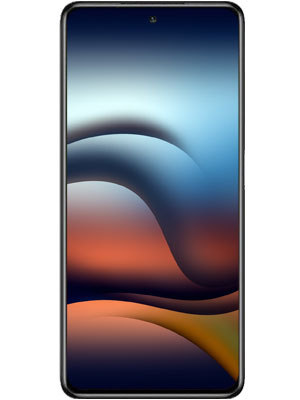
OnePlus Nord 6 vs. Vivo V70 FE: A Battle of Raw Power and Imaging Prowess
The mid-range smartphone market has reached a tipping point where manufacturers are no longer trying to do everything for everyone. Instead, they are carving out specific niches to attract different types of users. This strategic divide is perfectly illustrated in the clash between the OnePlus Nord 6 and the Vivo V70 FE, two devices that sit at nearly the same price point but offer fundamentally different priorities.
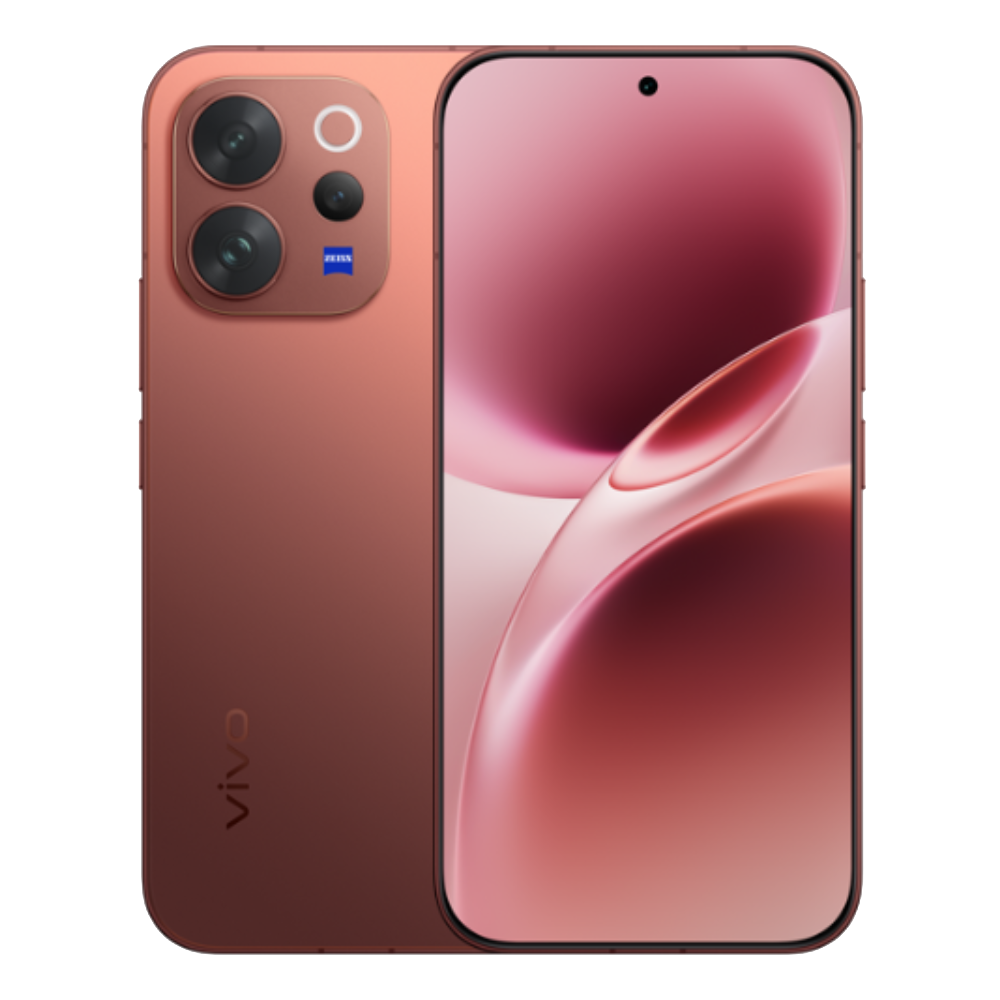
For users who prioritize speed and longevity, the OnePlus Nord 6 emerges as a performance powerhouse. As of April 11, 2026, the device is positioning itself as a gaming-centric option, featuring the segment’s first stable 165FPS gaming experience. This is powered by the Snapdragon 8s Gen 4 processor and the Adreno 825 GPU, providing a level of flagship-grade power that significantly outperforms the Dimensity 7360 Turbo and Mali-G615 MC2 found in the Vivo V70 FE.
The visual experience further separates the two. The Nord 6 boasts a 6.78-inch AMOLED display with a blistering 165Hz refresh rate and a peak brightness of 3,600 nits. In contrast, the Vivo V70 FE offers a slightly larger 6.83-inch AMOLED screen, but We see limited to a 120Hz refresh rate and 1,900 nits of peak brightness. This gap in display technology, combined with the Nord 6’s use of faster UFS 4.1 storage compared to Vivo’s UFS 3.1, makes the OnePlus device feel considerably snappier in daily operation.
However, Vivo has doubled down on the camera experience to attract content creators. The Vivo V70 FE features a massive 200MP main camera with Optical Image Stabilization (OIS), delivering significantly higher detail output than the 50MP OIS sensor on the Nord 6. Vivo also leads in the selfie department, particularly in the Indian market where the V70 FE is available with a 50MP front camera, compared to the 32MP sensor on the Nord 6.
Battery life and durability are areas where OnePlus has taken a commanding lead. The Nord 6 is equipped with an enormous battery, offering 7,500mAh in some regions and a staggering 9,000mAh for the Indian market, dwarfing the 7,000mAh cell in the V70 FE. The Nord 6 also offers a more rugged build with IP68/IP69K protection and advanced connectivity options, including WiFi 7 and Bluetooth 6.0. Vivo’s only edge in the power department is charging speed, with 90W wired charging compared to the 80W found on the OnePlus.
From a value perspective, the two devices are closely matched. The Vivo V70 FE is slightly more affordable, with the lowest found price at ₹37,999 (approximately $450). The OnePlus Nord 6 follows closely, priced around ₹38,999 to ₹39,000 (approximately $460).
the choice between these two depends on the user’s lifestyle. The OnePlus Nord 6 is built for the power user and gamer who demands extreme durability and battery life, while the Vivo V70 FE is tailored for those who view their smartphone primarily as a high-resolution creative tool. This divergence signals a growing trend in the digital economy where hardware specialization is becoming the primary driver for consumer choice in the sub-₹40,000 segment.
