
The OPEC+ alliance, led by Saudi Arabia and Russia, confirmed on Sunday, March 1, 2026, that it will increase crude oil production by 206,000 barrels per day, “in view of stable outlooks and low oil reserves.” The decision comes amid heightened market tensions following attacks on Iran, but the group’s statement did not directly mention the conflict.
The announcement did not reference the war with Iran, which began Saturday morning with attacks by the United States and Israel, and which threatens to disrupt a significant portion of oil transit through the Strait of Hormuz. Instead, the group justified the increase in extraction with “stable global economic outlooks and current basic market indicators, reflected in low levels of stored oil reserves.”
The 206,000 barrel-per-day increase for the month of April is part of a gradual unwinding of a previous 1.65 million barrel-per-day cut, decided in April 2023, through phased production increases, according to the statement. This move signals an attempt to balance supply concerns with broader economic conditions.
Gradual Process
This process, initiated last year but frozen for the last three months, will continue gradually and in accordance with market conditions until it reaches “in part or in full” the volume of the 1.65 million barrels cut, the statement notes.
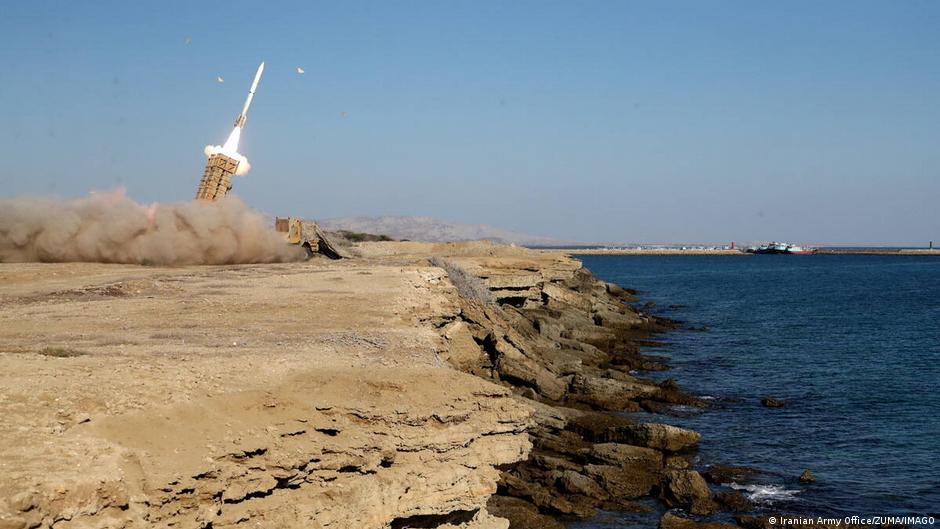
The attack on Iran, which is the fourth largest OPEC producer with approximately 3.3 million barrels per day, has raised fears not only about the disruption of the Islamic Republic’s exports, but also about Tehran’s threat, announced Saturday night, to prevent maritime transit through the Strait of Hormuz.
Approximately 20% of the world’s oil supply – virtually all of the production from Iraq and Kuwait, and the majority of crude extracted by Saudi Arabia and the United Arab Emirates – passes through this waterway, primarily destined for Asian markets such as China, India, and Japan. The potential for disruption to this critical shipping lane is a key driver of market uncertainty.
On Friday, in anticipation of a possible attack, Brent crude, the European benchmark, reached $73, its highest level since last July, and experts fear it could reach $90 or $100 within days. The increase in OPEC+ production is intended to mitigate some of this potential price shock, though its effectiveness remains to be seen.
(mn/efe, afp)
