
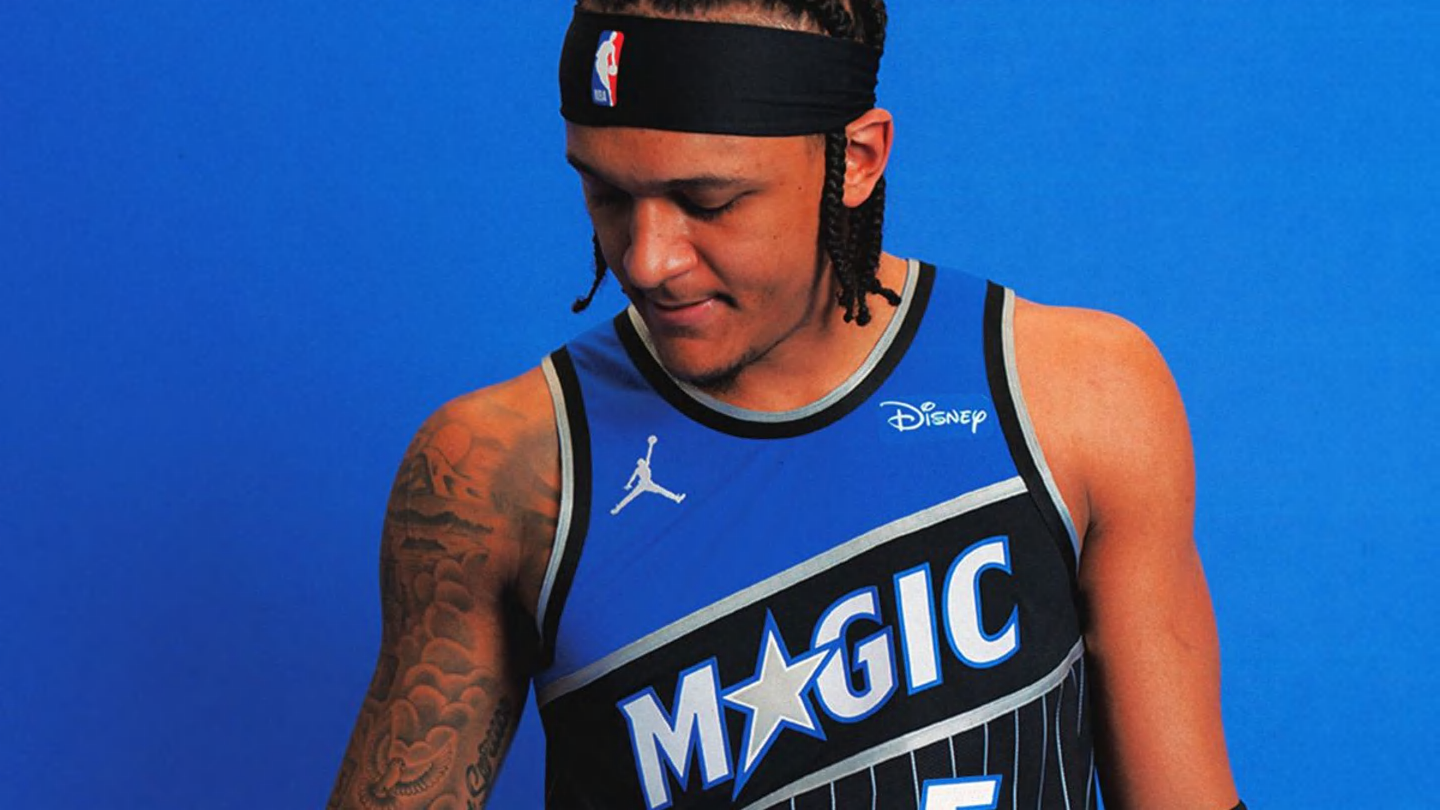
The game is changing: driven by fan sentiment and evolving digital landscapes, the future of sports branding demands a radical shift. This article dives into the fan-first approach exemplified by the Orlando Magic’s recent rebranding, revealing how teams can leverage nostalgia, social media, and personalized experiences to build stronger brands and lasting loyalty. Discover how embracing these strategies in sports branding can unlock unprecedented fan engagement and drive success both on and off the field.
The Future of sports Branding: A Fan-First Approach
The Orlando Magic’s recent rebranding initiative offers a fascinating glimpse into the future of sports branding.It’s a future where fan input isn’t just considered; it’s the driving force. this shift has meaningful implications for how teams connect with their audience, build brand loyalty, and ultimately, succeed in a competitive market.
The Power of Nostalgia and Fan Connection
The Magic’s decision to embrace nostalgia,harking back to their original branding,is a key trend.Fans crave a connection to the team’s history and identity. This isn’t just about aesthetics; it’s about fostering a sense of belonging and shared experience. The team’s willingness to listen to fan feedback, as demonstrated through social media sentiment analysis and focus groups, is crucial.
Did you know? Studies show that brands with strong emotional connections to their audience experience higher customer lifetime value and brand advocacy.
Embracing the Digital age: Social Media and Beyond
The modern sports landscape is heavily influenced by digital platforms. Teams are leveraging social media to gather feedback, build anticipation, and reveal new branding elements. This two-way interaction is essential. It allows teams to understand fan preferences and tailor their branding efforts accordingly.The Magic’s use of social media to gauge fan sentiment is a prime example of this trend.
Pro tip: Actively engage with fans on social media. Respond to comments, run polls, and create behind-the-scenes content to build a stronger connection.
The Rise of personalized Experiences
The future of sports branding will likely involve even more personalized experiences. This could include customized merchandise, exclusive content for season ticket holders, and interactive digital experiences. The goal is to make each fan feel valued and connected to the team on a personal level. This trend is already visible in the increasing use of augmented reality (AR) and virtual reality (VR) to enhance the fan experience.
Case Study: The Golden State warriors have successfully used personalized email marketing to promote merchandise and ticket sales, resulting in increased revenue and fan engagement.
Evolving with the Times: Balancing Tradition and Innovation
While nostalgia is powerful, teams must also embrace innovation.The Magic’s approach of evolving their branding while still honoring their history is a smart strategy. This means incorporating modern design elements,exploring new color palettes,and staying ahead of the curve in terms of technology and fan engagement. The key is to strike a balance between tradition and innovation.
the Impact of Star Players and Team Performance
The success of a team’s branding is also tied to its performance on the court. The presence of exciting young stars like paolo Banchero and Franz Wagner, as mentioned in the article, generates excitement and increases fan interest.Winning games and making a playoff push can considerably boost brand perception and merchandise sales. This highlights the symbiotic relationship between on-field success and branding efforts.
FAQ: Your Questions Answered
Q: How vital is fan feedback in rebranding?
A: It’s crucial.Fan input ensures the brand resonates with the target audience and fosters a sense of ownership.
Q: What role does social media play?
A: Social media is a vital tool for gathering feedback, building anticipation, and engaging with fans directly.
Q: how can teams personalize the fan experience?
A: Through customized merchandise, exclusive content, and interactive digital experiences.
Q: Is nostalgia always the answer?
A: Not always. Teams must balance tradition with innovation to stay relevant.
Q: How does team performance affect branding?
A: Winning games and having star players significantly boost brand perception and fan engagement.
The Orlando Magic’s rebranding journey offers valuable lessons for all sports teams. By prioritizing fan input, embracing digital platforms, and balancing tradition with innovation, teams can build stronger brands and create lasting connections with their audience.
What are your thoughts on the future of sports branding? Share your opinions in the comments below!
