
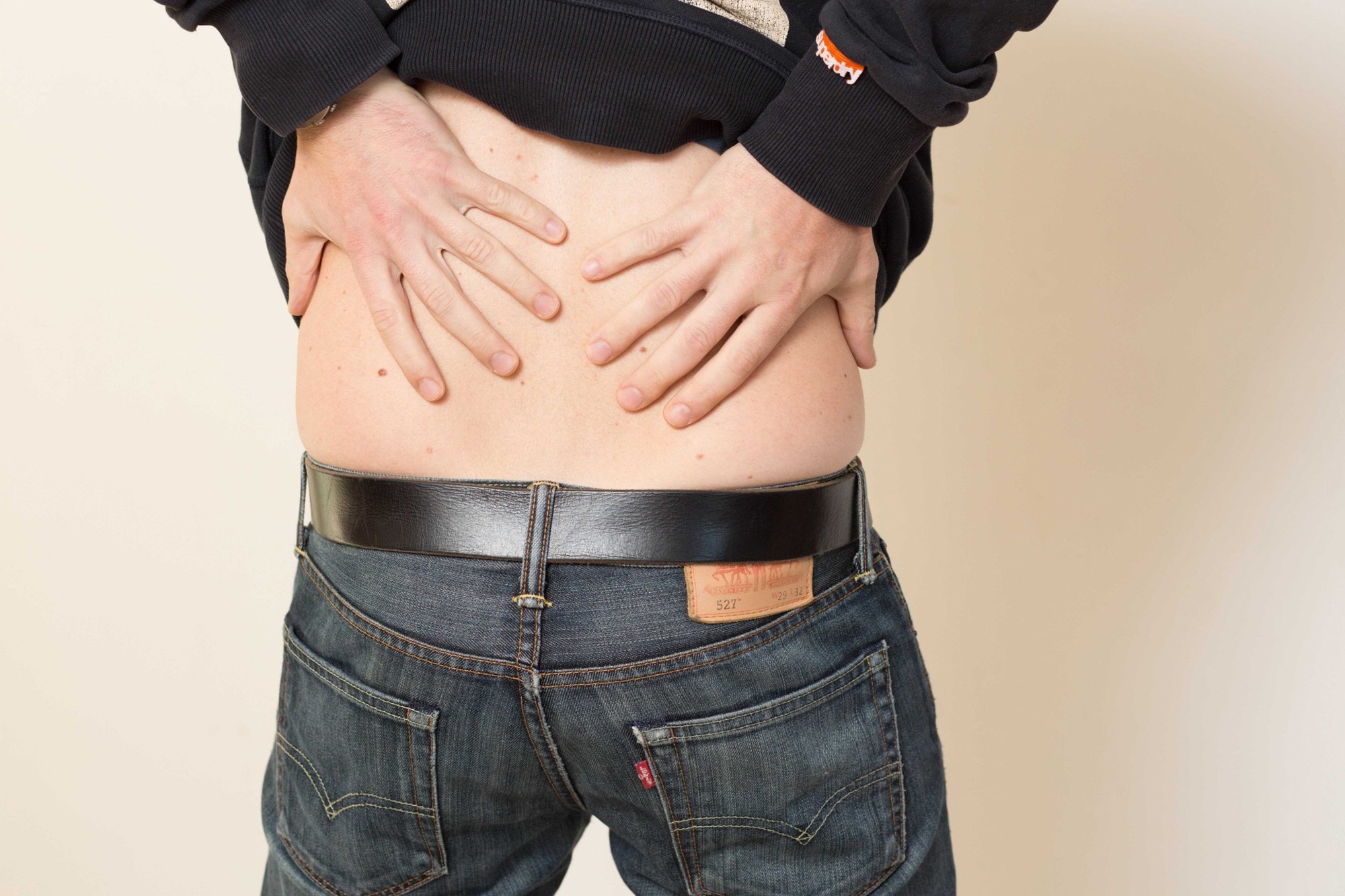
Osteopathic manipulation may not be more effective than a placebo for lower back pain, according to a recent study conducted in France. While popular in France, the practice isn’t as widely utilized in other countries, and evidence supporting its effectiveness has been limited. This research adds to the ongoing discussion about the best approaches to managing chronic pain, a significant public health concern.
Researchers at Cochin Hospital in Paris conducted a large study involving 400 patients experiencing back pain for more than six weeks. Participants were divided into two groups: one received osteopathic manipulation, while the other received a sham treatment – a simulated manipulation involving only light hand contact from the osteopath. The goal was to determine if the hands-on approach provided any measurable benefit beyond the psychological effect of receiving care.
Study Finds No Significant Benefit
The results, published in JAMA Internal Medicine, showed that osteopathic manipulation had no impact on pain levels, quality of life, or medication employ. Patients in both groups received treatments every two weeks for three months, but there was no discernible difference in outcomes.
According to Professor François Rannou, a rheumatologist who led the study, the perceived relief often experienced by patients is likely due to the natural course of lower back pain. “It’s not the osteopathic manipulations that provide relief; in the normal progression of lumbago, pain gradually decreases day by day,” he stated. The study found that 90% of cases of lumbago resolve within a few days to weeks, with one-third of patients experiencing improvement within just four days.
It’s likewise important to note that the approximately 19,000 osteopaths practicing in France are not considered healthcare professionals in the same way as physical therapists or physicians trained in osteopathy. Their training standards can vary, and there’s a risk they may miss “red flags” – warning signs that indicate a more serious underlying medical condition requiring immediate attention. This could lead to delayed diagnosis and treatment for patients.
Movement is Key to Recovery
If osteopathic manipulation isn’t the answer for alleviating lumbago, what treatment options can aid speed recovery? Researchers emphasize the importance of staying active. While lower back pain often limits movement, complete rest is not recommended. It’s crucial to avoid activities that exacerbate the pain, but continuing to move in other ways is beneficial.
Experts recommend resuming daily activities as soon as possible, including walking and climbing stairs. Prolonged rest can actually prolong the duration of back pain, while movement promotes recovery. The rheumatologist noted that short-term use of pain relievers, such as acetaminophen or anti-inflammatory medications, can help manage discomfort and facilitate continued movement, but this should be discussed with a physician.
