
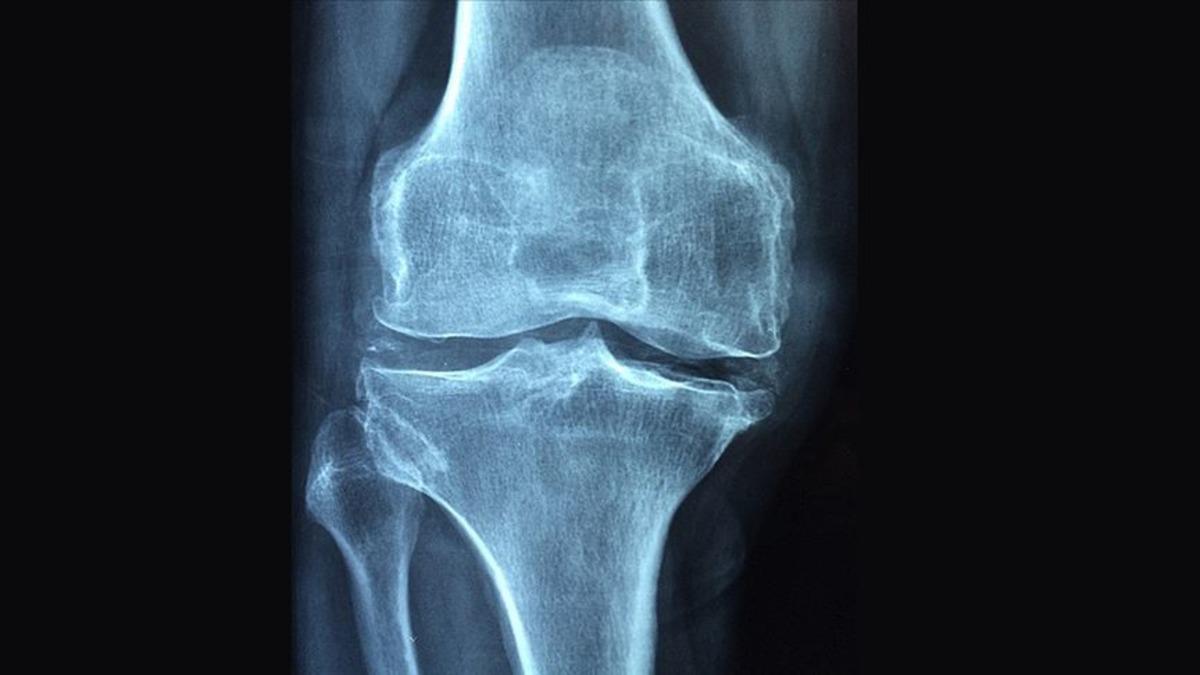
The Silent Threat of Osteoporosis: How Bone Loss Can Lead to Fatal Fractures
Osteoporosis, often referred to as a “silent” disease, can progress without any noticeable symptoms until a sudden fracture occurs, potentially leading to permanent disability or death. According to Uzm. Dr. Esra Tutal, an Endocrinology and Metabolism Specialist at Liv Hospital Samsun, the condition causes bones to weaken and become increasingly brittle, making them susceptible to breaking even after very minor trauma.
The danger of the disease lies in its invisibility. Dr. Tutal warned on April 7, 2026, that osteoporosis may remain entirely asymptomatic until a bone actually breaks. When fractures do occur, they are most frequently seen in the hip, spine, and wrist. These injuries can have devastating consequences, underscoring the critical need for early awareness and risk assessment in public health.
Identifying High-Risk Groups
While osteoporosis affects both men and women, certain factors significantly increase an individual’s vulnerability. Experts note that those with a petite or very thin build are at higher risk, as bone loss is more frequently observed in thinner individuals. Other primary risk factors include:
- A sedentary lifestyle with little to no physical activity.
- The use of cortisone medications.
- Advanced age.
- A family history of bone fractures.
The Biological Timeline of Bone Health
The human body maintains a delicate balance between bone formation and bone resorption. Dr. Tutal explained that the process of bone building is most prominent until age 20, with individuals typically reaching their maximum bone mass by age 30. After this peak, the process of bone destruction begins to dominate.
The quality of the maximum bone mass achieved by age 30 is a decisive factor in long-term health; the stronger the initial bone density, the less the body is impacted by the subsequent breakdown process as it ages.
Recognizing Late-Stage Warning Signs
Although the disease is silent in its early stages, advanced osteoporosis eventually manifests through physical changes. As the condition progresses, patients may experience persistent back and waist pain. Physical transformations, such as a gradual shortening of the neck and postural deformities—specifically the development of a hunchback—are common indicators of severe bone loss.
Since the transition from healthy bone to fragile bone happens without warning, identifying risk factors early is essential to preventing the life-altering fractures associated with this condition.
