
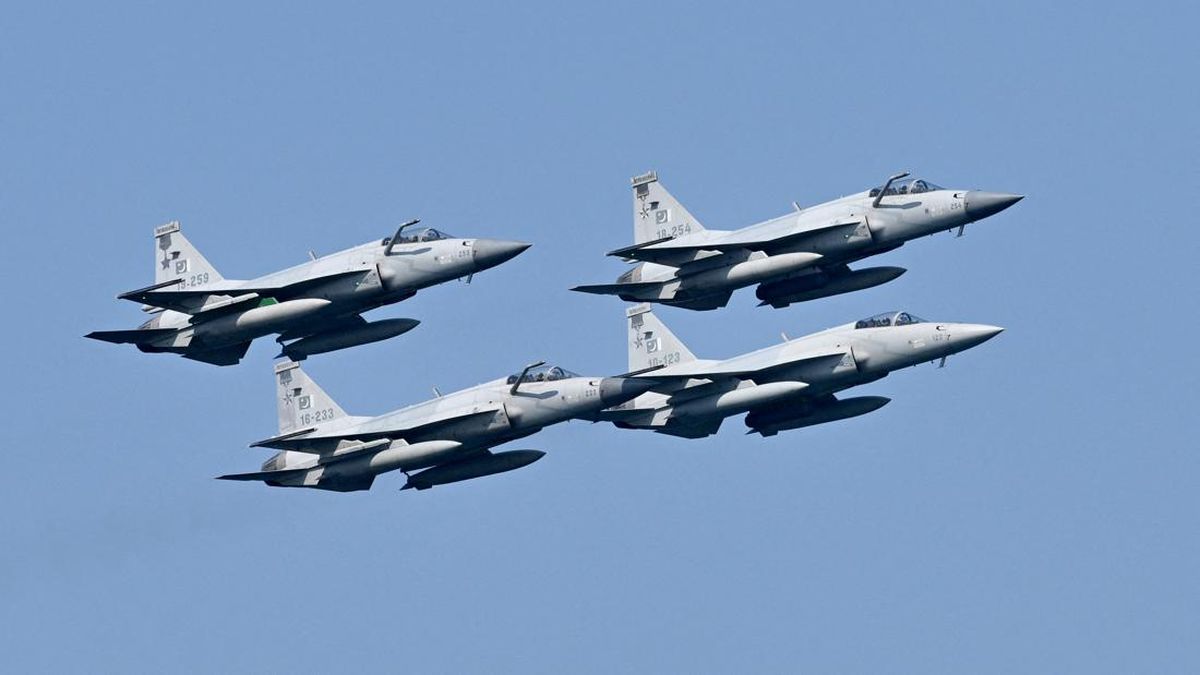
Pakistan Deploys Air Force Contingent to Saudi Arabia Under Mutual Defence Pact
Pakistan has deployed a military air contingent to Saudi Arabia to bolster joint operational readiness, according to the Saudi defense ministry. The move comes as a practical application of the joint defense efforts between the two nations.
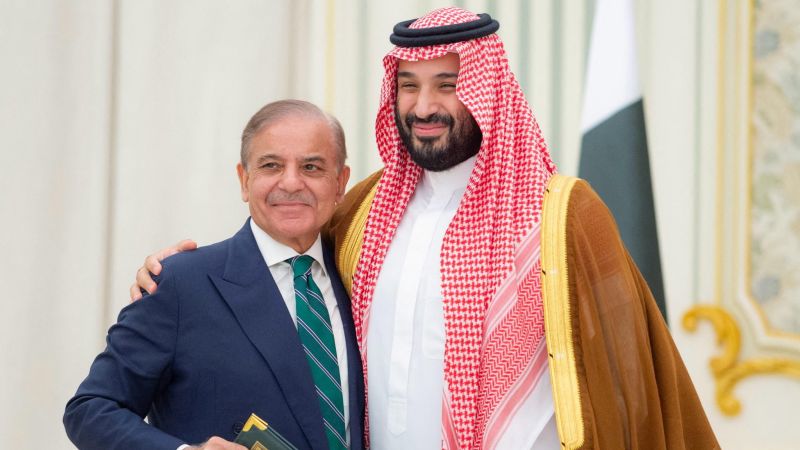
The deployment is rooted in the Strategic Mutual Defence Agreement (SMDA), a security and defence pact signed on September 17, 2025, at Al-Yamamah Palace in Riyadh. The treaty was signed by Pakistani Prime Minister Shehbaz Sharif and Saudi Prime Minister and Crown Prince Mohammed bin Salman. Under the terms of the SMDA, both countries have committed to a policy of collective security, agreeing that any act of aggression against one party will be treated as an act of aggression against both.
This affirmation of support for Saudi Arabia significantly strengthens a decades-long security partnership, integrating the capabilities of nuclear-armed Pakistan to enhance joint deterrence against external threats.
Analysts suggest the agreement was driven by shifting Middle Eastern geopolitics and intensifying regional security concerns. Specifically, Israeli airstrikes in Doha, Qatar, on September 9, 2025, reportedly unsettled Gulf states and exacerbated doubts regarding the reliability of the United States as a security guarantor. The deployment of fighter jets to guard Saudi territory reflects these growing concerns over U.S. Unpredictability and its commitment to Gulf Cooperation Council (GCC) obligations.
The move is particularly notable as Pakistan simultaneously maintains a diplomatic role as a mediator between the U.S. And Iran. This balancing act underscores Pakistan’s strategic position in regional diplomacy.
When the pact was established, a joint statement noted that the agreement reflects a shared commitment to achieving peace and security globally, while utilizing a “historic partnership” to strengthen joint deterrence. The rapid deployment of aircraft demonstrates the operational readiness intended by the SMDA.
The development underscores growing regional tensions and a shift toward autonomous security frameworks in the Middle East, which could influence future diplomatic talks and regional power balances.
