
Recognizing the Early Warning Signs of Pancreatic Cancer: What to Watch For
Pancreatic cancer is often described as a silent threat because it rarely presents noticeable symptoms in its earliest stages. However, medical reports indicate that certain physical changes—some as subtle as a discoloration in the eyes—can serve as critical early warning signs that prompt life-saving screenings.
The Role of the Pancreas in Human Health
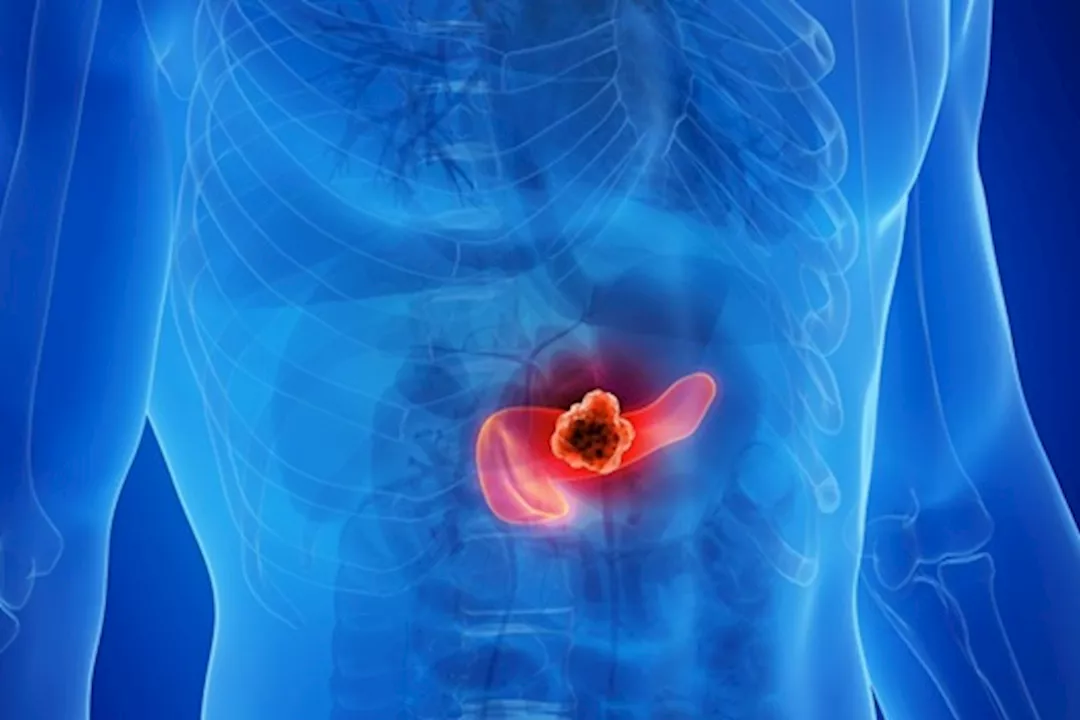
Located horizontally in the lower back of the abdominal cavity, the pancreas is a vital organ approximately 15 centimeters in length, resembling a pear lying on its side. It serves two primary functions essential for survival: the secretion of enzymes that facilitate digestion and the production of hormones, including insulin, which regulate the metabolism of sugars and carbohydrates throughout the body.
The Challenge of Early Diagnosis
One of the most daunting aspects of pancreatic cancer is its tendency to spread with extreme rapidity. According to health data, the disease is seldom detected in its initial phases, and chances of recovery remain low even when diagnosed early. In most cases, symptoms only emerge once the cancer has reached an advanced stage, at which point the tumor may no longer be surgically removable. This aggressive progression is a primary reason why pancreatic cancer accounts for a high percentage of cancer-related deaths.
Key Early Symptoms to Monitor
While the disease is elusive, health experts highlight several early indicators that often stem from the blockage of the bile duct. These symptoms are particularly important for individuals to monitor as they age, especially after 60.
Jaundice (Yellowing of the Eyes and Skin)
One of the most visible red flags is jaundice, where the skin and the whites of the eyes take on a yellowish hue. This occurs when the bile duct becomes obstructed, preventing the normal flow of bile.
Changes in Urine and Stool Color
The same bile duct obstruction that causes jaundice can lead to other systemic changes. Patients may notice that their urine becomes significantly darker than usual. Simultaneously, the lack of bile reaching the digestive tract can cause stools to appear pale or clay-colored.
Persistent Skin Itching
The blockage of the bile duct also leads to a buildup of bilirubin in the skin. This accumulation often manifests as intense skin itching, providing another external clue that the pancreas or bile ducts may be compromised.
Why Awareness Matters
Understanding these markers is a critical component of public health awareness. Because pancreatic cancer—including types like adenocarcinoma, which originates in the pancreatic ducts—is so aggressive, recognizing these specific shifts in bodily functions can lead to earlier medical intervention. While the prognosis remains challenging, early detection is the only viable path toward improving patient outcomes and exploring effective treatment options.
