
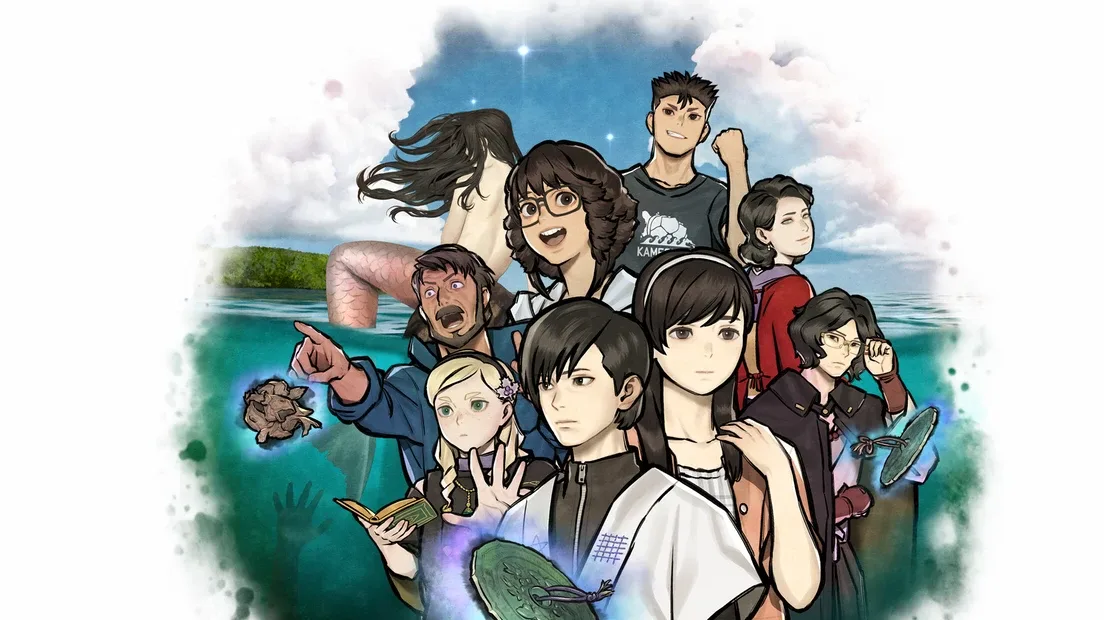
The latest installment in the PARANORMASIGHT series, The Mermaid’s Curse, delves into the enduring global fascination with mermaids and the unique legends surrounding them in Japan. The game explores a supernatural mystery rooted in Japanese folklore, a theme that resonates with a broad audience interested in cultural narratives and the intersection of myth and reality.
Interconnected Stories, Independent Play
Players do not need to have completed the first PARANORMASIGHT game to enjoy The Mermaid’s Curse, as the stories are set in the same universe but function as independent narratives. However, those familiar with the previous title may appreciate references and connections within the novel game. The developers have crafted a compelling experience that stands on its own while rewarding returning players.
The game’s setting, Ise-Shima in the 1980s, is as integral to the story as the characters themselves. This coastal region, comprised of Ise City, Toba City, and Ijika Town, along with the nearby island of Kameshima, is a popular tourist destination for Japanese visitors. The area’s rich history and numerous legends surrounding mermaids, known as ningyo in Japanese, provide a compelling backdrop for the unfolding mystery.
PARANORMASIGHT: The Mermaid’s Curse follows four distinct characters whose paths converge around a central event. Yuza Minakuchi is searching for his mother, believed lost at sea five years prior, refusing to accept her death. Sato, discovered on the shores of Kameshima, finds herself under the care of Shinobu Wakamura, with no memory of her past. Yumeko Shiki and Sodo Kiryu, agents of the Tokyo Metropolitan Police’s Paranormal Affairs Bureau, investigate strange occurrences, including a peculiar discovery – a fish with a human head. Finally, Arnav Barnum, an American tourist accompanied by the psychic Circe Lunarlight, seeks to uncover the truth behind the mermaid legend.
Each character’s storyline unfolds independently, but the narrative is not strictly linear. Player choices influence the progression of events, leading to branching timelines and multiple outcomes. This interactive element enhances replayability and allows players to explore different facets of the overarching mystery.
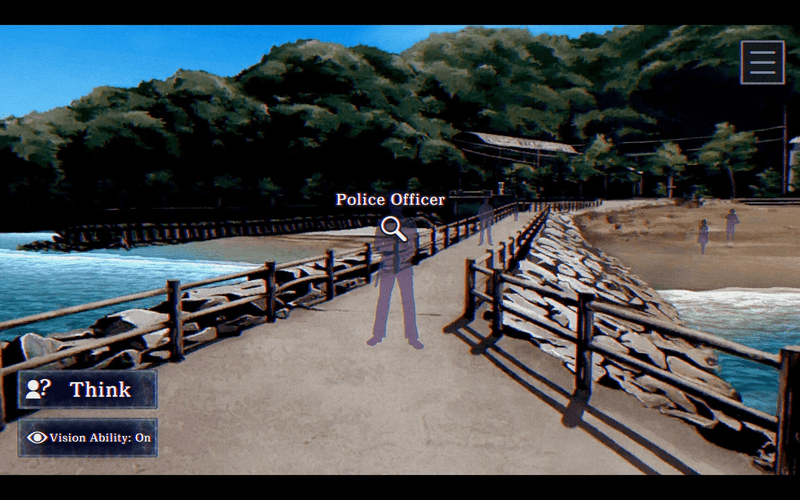
The game builds upon the themes introduced in the first PARANORMASIGHT title, particularly the concept of curses. The narrative explores the use of “curse stones” – objects imbued with supernatural power – and their potential for harm. The blending of fact and fiction is a notable strength, grounding the story in real locations and drawing upon authentic Japanese legends surrounding the ningyo. This approach adds depth and cultural richness to the gameplay experience.
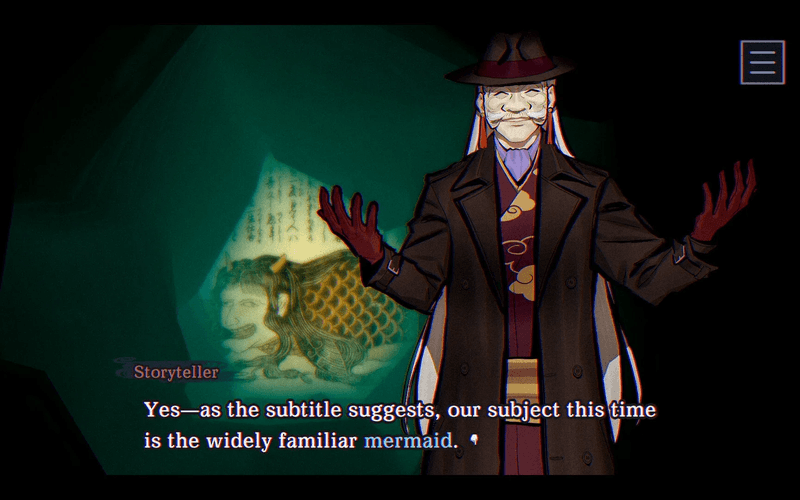
The Storyteller, a recurring character from the first game, returns to guide players through the mechanics. While not essential to understanding The Mermaid’s Curse, familiarity with the previous installment enhances the overall experience.
The characters are well-developed, each with unique motivations and perspectives. Their interactions are thoughtfully crafted, with characters often possessing information others lack, prompting players to draw their own conclusions. The narrative unfolds gradually, revealing answers to numerous plot points in a way that keeps players engaged throughout the experience.
Verdict
Fans of PARANORMASIGHT: The Seven Mysteries of Honjo will find much to enjoy in The Mermaid’s Curse. It offers a captivating story set in a fascinating time and location, appealing to visual novel enthusiasts and serving as an excellent entry point for newcomers to the genre. Those unfamiliar with the first game may consider starting there to fully appreciate the interconnected narrative.
