

Early detection and innovative treatment options are offering new hope for those living with Parkinson’s disease. Recent medical insights emphasize that recognizing “insidious” early warning signs and implementing timely interventions can significantly slow the progression of the disorder.
The Critical Role of Early Detection
Although Parkinson’s is commonly associated with hand tremors and slowed movement, experts warn that these symptoms often appear long after the disease has begun. According to Neurology Specialist Assoc. Prof. Dr. Demet Aygün Üstel, the condition is a progressive nervous system disorder where early identification is vital for the diagnostic process.
One of the most significant early red flags is a diminished sense of smell. Dr. Üstel explains that while dopamine-producing cells in the brain are damaged—leading to movement issues—loss of smell can occur years before those physical symptoms manifest. “In Parkinson’s disease, the loss of the sense of smell or a decrease in smell can be one of the early symptoms,” she stated, noting that unexplained, long-term olfactory issues should be carefully monitored.
New Treatment Horizons and Management
Advancements in care are expanding the options available to patients. New reports indicate that non-surgical treatment options may now be possible, providing a critical alternative for those who cannot or do not wish to undergo surgery.
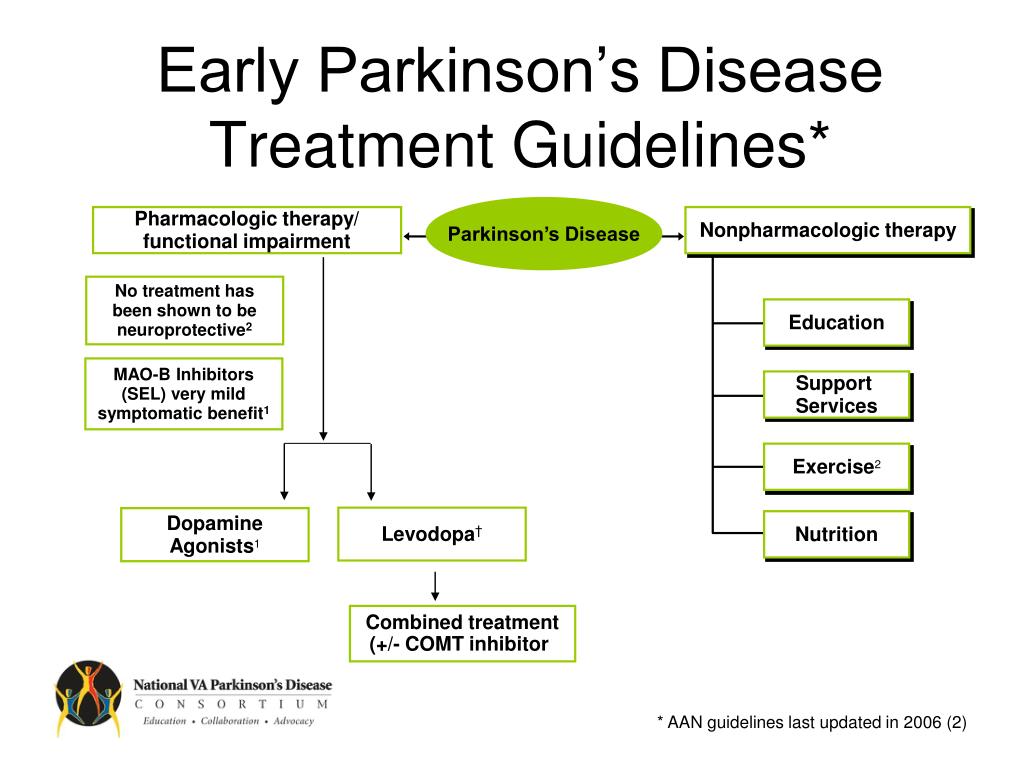
Beyond medical interventions, the combination of early diagnosis and consistent physical therapy has been shown to slow the progression of the disease. These findings underscore the importance of a multidisciplinary approach to maintaining quality of life and mobility.
Addressing Social and Professional Challenges
The struggle with Parkinson’s extends beyond physical health. Patients frequently face systemic hurdles, including discrimination in the workplace and limited opportunities for social integration. Addressing these social barriers is as essential as medical treatment in ensuring patients lead full, dignified lives.
By focusing on early signals—such as olfactory loss—and leveraging non-surgical therapies and physical rehabilitation, the medical community aims to improve long-term outcomes for patients globally. These developments highlight a shifting paradigm toward proactive, comprehensive management of the disease.
