
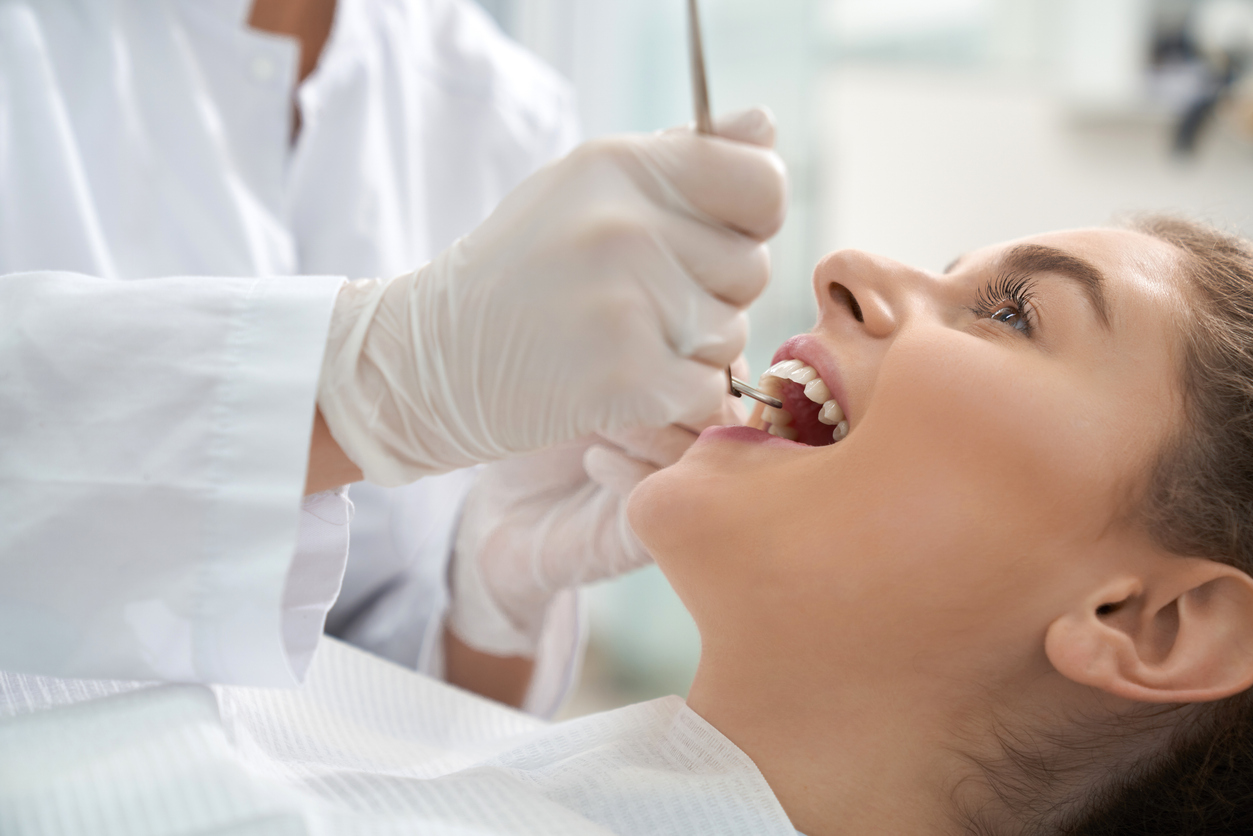
A common mouth bacteria, similarly known for causing cavities, may play a surprising role in triggering Parkinson’s disease, according to a major new study. The research, published in Nature Communications, sheds light on the complex relationship between the gut microbiome and neurodegenerative diseases, offering potential new avenues for prevention and treatment.
For years, scientists have been investigating the connection between the gut microbiome and conditions like Parkinson’s disease. This latest research strengthens the hypothesis that imbalances in gut bacteria can contribute to the development of the disease, identifying an unexpected culprit: a bacteria commonly fought at the dentist’s office. Understanding this link between oral health and neurological decline could lead to promising therapeutic strategies.
Understanding Parkinson’s Disease Today
Parkinson’s disease is the second most prevalent neurodegenerative disorder in France, affecting more than 165,000 people, according to data from Santé publique France. The disease is characterized by the progressive loss of neurons in the brain’s “substance nigra,” which are crucial for dopamine production. This loss results in hallmark motor symptoms including tremors, muscle rigidity, and slowed movement. While the exact cause of Parkinson’s is multifaceted, involving genetic predispositions and environmental factors like exposure to pesticides and aging, the initial trigger often remains unclear. This study offers a crucial piece of the puzzle.
A Dental Bacteria at the Heart of Parkinson’s Development
Researchers at the Pohang University of Science & Technology in South Korea have identified Streptococcus mutans as a potential key player in the development of Parkinson’s disease. This bacteria, well-known as the primary cause of dental cavities, was found in abnormally high quantities in the gut microbiome of patients with Parkinson’s. The researchers hypothesize that the bacteria migrates from the mouth to the intestines, where it can disrupt the gut-brain axis.
Imidazole Propionate: A Toxic Messenger Infiltrating the Brain
The danger isn’t simply the presence of the bacteria, but its metabolic activity. S. Mutans possesses an enzyme called urocanate reductase (UrdA), which converts histidine (an amino acid) into a molecule called imidazole propionate (ImP). Blood analyses confirmed significant concentrations of this compound in patients with Parkinson’s. The study demonstrates that ImP can cross the blood-brain barrier to reach brain tissue. Once there, this molecule activates a signaling pathway called mTORC1, leading to the selective death of dopamine-producing neurons.
Symptoms Replicated in Mouse Models
To validate these findings, scientists colonized the intestines of mice with S. Mutans. The results were striking: the mice developed motor impairments, neuroinflammation, and neuronal loss mirroring those seen in humans with Parkinson’s. The presence of the ImP metabolite accelerated the formation of alpha-synuclein protein aggregates, a toxic hallmark of Parkinson’s disease. Importantly, the research team was able to reverse some of these effects by using rapamycin, an mTORC1 inhibitor, which significantly reduced neuronal loss and motor dysfunction in the mice.
These findings offer three potential avenues for future research. Measuring ImP levels in the blood could grow a useful biomarker for early diagnosis. Pharmaceutical companies could target the bacterial enzyme to block the production of toxins at the source. Finally, the study underscores the importance of daily oral hygiene. Controlling the growth of S. Mutans in the mouth through proper brushing could limit its migration to the gut and potentially protect the nervous system.
