
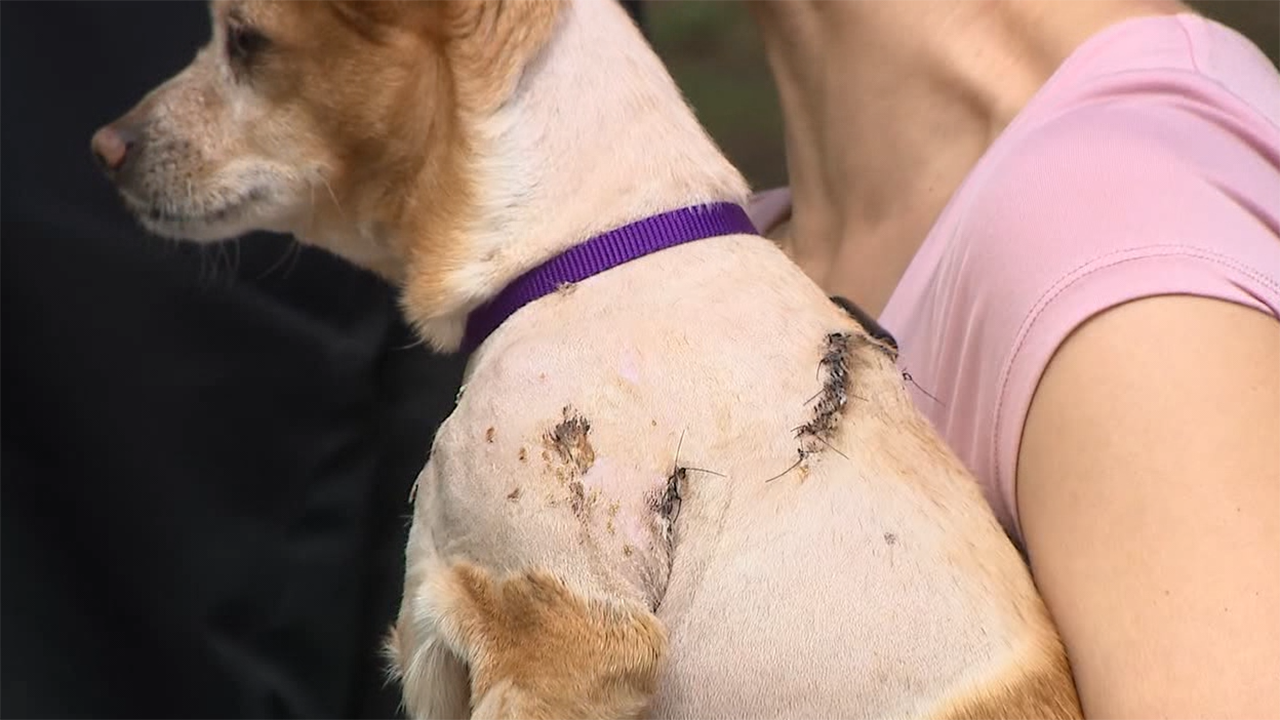
The tragic case of Penny the Chihuahua is prompting a nationwide conversation: what does the future hold for pet ownership? This article explores the evolving landscape of pet ownership, including key trends in pet safety, owner obligation, and crucial legislation, providing insights into how these changes impact both pets and their owners. From breed-specific legislation to technological advancements in animal care, understand the forces shaping our relationships with animals.
Teh future of Pet Ownership: Trends in Safety, Obligation, and Legislation
The recent incident involving Penny the Chihuahua and the subsequent push for “penny’s Law” in New York City highlights a critical evolution in how we perceive and manage pet ownership.This isn’t just about a single tragic event; it’s a window into the future of animal welfare, owner responsibility, and the legal frameworks that govern our interactions with pets. let’s delve into the key trends shaping this landscape.
Increased Scrutiny of Pet owners and Breed-Specific Legislation
The call for stricter penalties, as seen in the push for “Penny’s Law,” reflects a growing societal demand for accountability. Irresponsible pet ownership is no longer tolerated. We’re seeing a shift towards holding owners liable for their pets’ actions,including financial responsibility for damages and potential criminal charges in cases of negligence or aggression. This trend is fueled by increased awareness of animal behavior and the potential risks posed by certain breeds.
Pro Tip: If you own a dog, especially a breed often associated with aggression, invest in professional training and socialization. This not only benefits your dog but also demonstrates your commitment to responsible ownership.
breed-Specific Legislation (BSL) is a contentious topic, but it’s gaining traction in some areas. While frequently enough debated, BSL aims to regulate or ban specific breeds deemed perilous. The debate around BSL is complex, with proponents arguing for public safety and opponents citing breed bias and the importance of individual dog behavior. The future likely holds a mix of approaches, with some jurisdictions adopting BSL, others focusing on owner responsibility, and many exploring breed-neutral solutions.
Technological Advancements in Pet Safety and tracking
Technology is playing an increasingly significant role in pet safety. GPS trackers, smart collars, and microchips are becoming commonplace, allowing owners to monitor their pets’ whereabouts and health. These technologies can be crucial in preventing incidents like the one involving Penny, as they can help locate lost pets and provide data on their activity levels.
Did you know? The global pet tech market is booming, with projections estimating it will reach billions of dollars in the coming years.this growth reflects the increasing investment in pet well-being and safety.
Furthermore, advancements in AI and machine learning are being used to analyze dog behavior and predict potential aggression. This could lead to early intervention and training programs, helping to prevent attacks before they happen. The integration of technology into pet care is not just a trend; it’s a revolution.
The Rise of Emotional Support Animals and Service Dog Regulations
The role of animals in providing emotional support and assistance is expanding. The case of Penny, an emotional support animal, underscores the importance of these animals in people’s lives. However, this trend also brings challenges. There’s a need for clearer regulations and guidelines to distinguish between legitimate service animals and pets falsely presented as such. This is crucial for ensuring the safety of both the public and the animals themselves.
Reader Question: How can we ensure that only legitimate service animals are granted access to public spaces, while still protecting the rights of individuals who rely on them?
The future likely holds stricter certification processes for service animals and increased public awareness campaigns to educate people about the roles and rights of these animals. This will help to prevent misunderstandings and ensure that service animals can perform their duties without interference.
Legal and Legislative Changes: A Focus on Animal Welfare
The push for “Penny’s Law” is just one example of a broader trend towards strengthening animal welfare laws. We can expect to see more legislation aimed at:
- Increasing penalties for animal cruelty and neglect.
- Holding owners accountable for their pets’ actions.
- Improving the examination of animal attacks.
- Promoting responsible breeding practices.
These changes reflect a growing societal understanding of the importance of animal welfare and the need to protect animals from harm.The legal landscape surrounding pet ownership is evolving rapidly, and it’s essential for owners to stay informed about their responsibilities and the laws in their area.
Case Study: Several cities and states have already implemented stricter leash laws and penalties for owners whose dogs attack other animals or people. These measures are often coupled with public education campaigns to promote responsible pet ownership.
The future of pet ownership is about more than just owning a pet; it’s about building a society that values animal welfare, promotes responsible ownership, and ensures the safety of both animals and people. By staying informed and advocating for positive change, we can all contribute to a better future for our furry companions.
What are your thoughts on these trends? Share your opinions and experiences in the comments below!
