
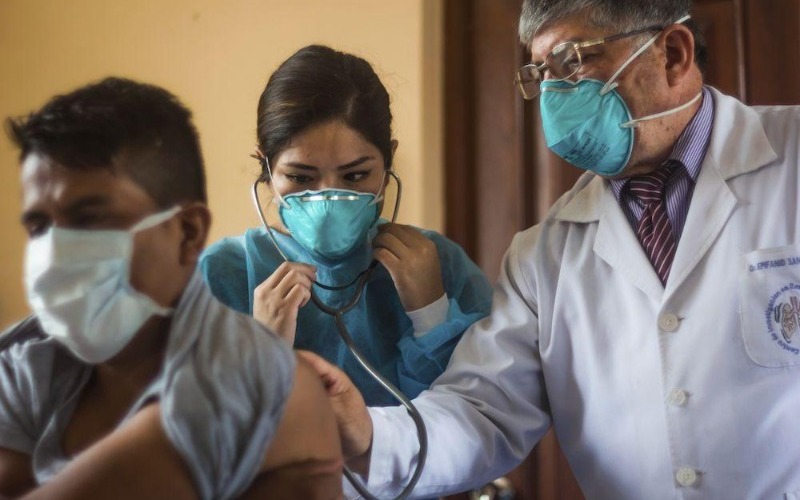
The Ministry of Health (Minsa) announced the advancements on Tuesday, March 24, 2026, coinciding with World Tuberculosis Day, commemorated annually on March 24th. During the 2024-2025 period, over 249,000 molecular tests were conducted nationwide to detect the disease, representing a substantial increase in diagnostic capabilities compared to the previous period.
According to officials, the use of molecular biology equipment allows for faster and more accurate case detection and crucially, identifies instances of drug resistance. This enables healthcare providers to implement the most appropriate and effective treatment regimens.
Peru is currently identified as one of 30 countries with high rates of MDR-TB, prompting continued efforts to strengthen prevention, early diagnosis, and comprehensive treatment strategies. The country faces a significant burden of TB within the Americas, particularly concerning drug-resistant forms like TB-DR and TB-RR, which require prompt diagnosis and specialized care.
“This effort prioritizes interventions in populations and territories at higher risk, as well as the implementation of innovative technologies such as digital radiology with artificial intelligence and molecular biology tests,” the ministry stated.
Diagnostic capabilities are likewise being enhanced at the primary care level in Lima and other regions, and the implementation of shorter oral treatment regimens for drug-resistant tuberculosis, as recommended by the World Health Organization (WHO), is underway. These advancements are particularly important as they offer the potential to improve patient outcomes and quality of life.
Currently, more than 3,020 people in the country are receiving treatment with oral medications. Of these, 2,143 are on the BPaLM regimen (bedaquiline, pretomanid, linezolid and moxifloxacine), which reduces treatment duration, improves patient quality of life, and eliminates the need for injectable medications.
The Dirección de Prevención y Control de Tuberculosis (DPCTB) coordinates with international organizations like the Pan American Health Organization (OPS), the World Health Organization (OMS) and the Global Fund to Fight AIDS, Tuberculosis and Malaria to secure technical and financial support for preventative and recovery activities. More information about the DPCTB, including regulations, publications, and campaign information, can be found on the government website here.
Recent efforts to bolster the skills of healthcare personnel in addressing tuberculosis were undertaken in October 2025, with assistance from the OPS/OMS, as detailed here. The Ministry of Health also reported a 250% increase in molecular testing capacity during 2024-2025, as noted in a report from PublicNow. These improvements underscore the ongoing public health challenges and the commitment to eliminating TB in Peru.
