
Philips Shifts TV Strategy, Ditching Google TV for TitanOS on Select Models
Philips is making a significant change to its television operating system strategy, moving away from Google TV for several of its models and adopting TitanOS. The announcement, made alongside the unveiling of its 2026 OLED+ flagship TVs – the OLED+951 and OLED+911 – signals a shift in how the company approaches the smart TV experience. These new OLED+ models boast a record 4500-nit brightness and support for Dolby Vision 2 Max.
The move to TitanOS will initially affect Philips’ entry-level OLED TVs, as well as its Mini LED and LCD sets. While Philips previously transitioned from Android TV to Google TV last year, the company is now opting for a different path with Titan OS (developed by Titan OS).
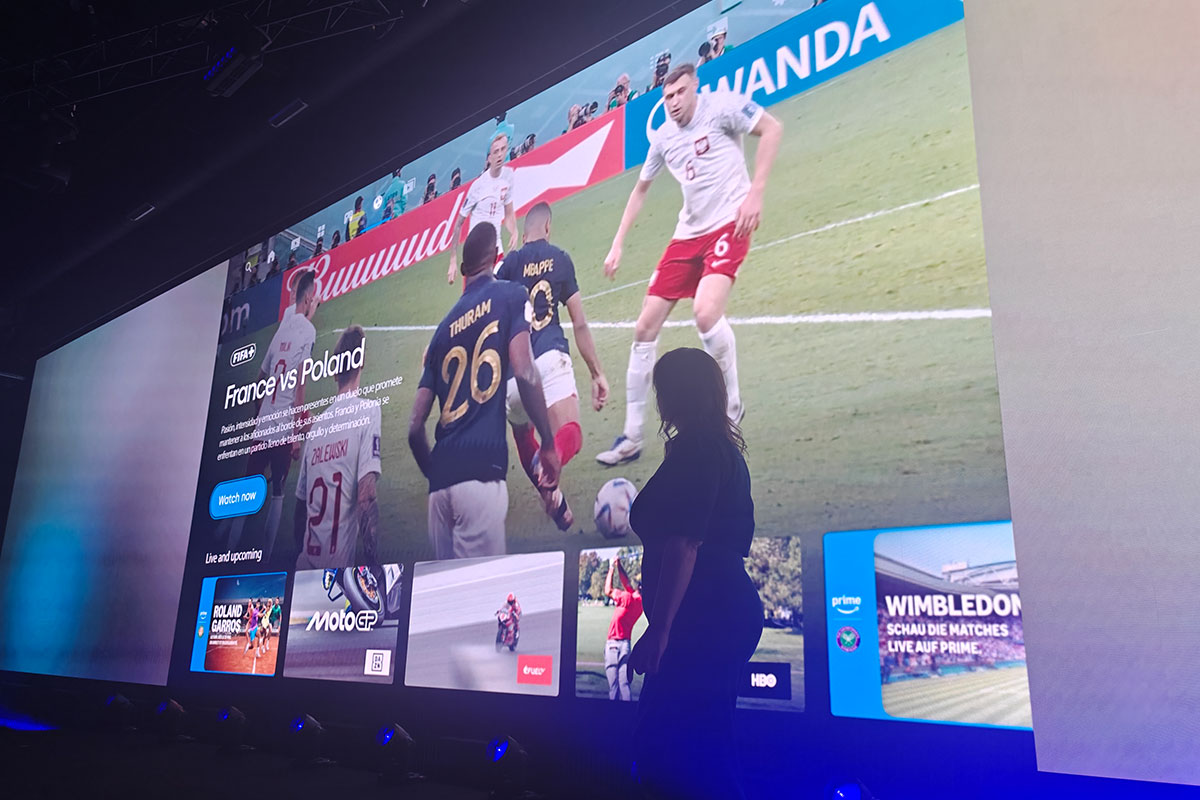
Details about TitanOS remain limited, but early observations suggest a visual similarity to Google TV, featuring a comparable layout with navigation options, a search function, and content suggestions. The platform will include access to popular streaming services such as Disney+, HBO Max, Netflix, YouTube, and Prime Video, with Apple TV becoming available in Spring 2026. This shift reflects a growing trend among TV manufacturers to customize the software experience and differentiate their products.
TitanOS is also designed to be compatible with a range of smart home ecosystems, including Google Assistant, Amazon Alexa, Apple AirPlay 2, and Control 4. The integration with these platforms aims to provide users with a seamless and connected entertainment experience.
Philips’ decision to move away from Google TV on certain models is a notable development in the competitive smart TV market, as companies increasingly seek to control the user interface and offer unique features. The introduction of TitanOS represents a bet on a more tailored and integrated experience for Philips TV owners.
