
Safety Concerns Mount as Plug-and-Play Home Battery Market Expands in the Netherlands
The Dutch Fire Department (Brandweer Nederland) has issued a warning regarding the rising popularity of “plug-and-play” home battery systems, citing significant safety risks linked to the lack of professional installation. As consumers increasingly turn to these accessible energy storage solutions to manage power from solar panels, officials are concerned that the ease of setup is overshadowing critical safety protocols.
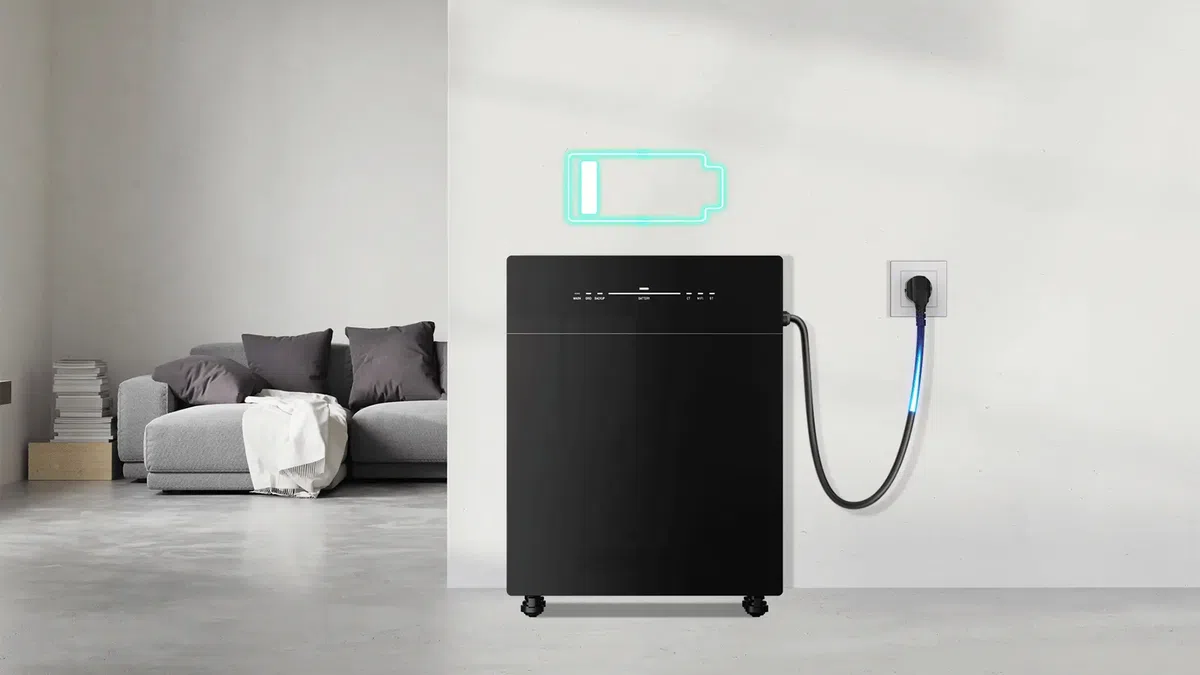
Unlike traditional home energy storage systems, which are typically integrated into a home’s electrical infrastructure by certified technicians, plug-and-play batteries are compact units that connect directly to a standard wall outlet. This lower barrier to entry allows homeowners to install the systems themselves, a trend that the fire department views with caution.
Teun Payens of Brandweer Nederland emphasized that the absence of a professional installer removes a vital layer of expertise from the process. “These are significant energy-holding systems. Try to not take them lightly,” Payens stated, noting that the lack of professional oversight during placement can lead to hazardous conditions.
Technical Risks and Infrastructure Strain
According to a safety report released on April 7, 2026, these devices introduce several specific risks to residential environments. Because they are often plugged into existing electrical installations that have not been modified to handle such loads, there is a heightened risk of electrical overloading. This can create fire hazards within the home’s wiring.

Thermal management is another primary concern. Like most electrical devices, home batteries generate heat; however, improper placement or inadequate ventilation can lead to overheating. The fire department warned that battery damage or excessive temperatures can trigger fires that are particularly dangerous due to the release of smoke and toxic gases.
The shift toward DIY energy storage highlights a growing tension between market accessibility and residential safety standards, as the rapid adoption of these technologies often outpaces consumer awareness of the underlying risks.
Industry Response and Safety Guidelines
Industry representatives maintain that consumers are being sufficiently prepared for the technology. David van Gaalen, co-founder of thuisbatterij.nl, stated that buyers receive extensive information, including installation manuals and online instructional videos, to ensure the batteries are set up correctly on-site.
Despite these efforts, fire officials are urging users to adhere to strict safety measures to prevent accidents. Key recommendations include:
- Clear Escape Routes: Batteries should never be placed in primary exit paths, such as near the front door, as these are critical for evacuation during an emergency.
- Ventilation and Clearance: Users must ensure the units can dissipate heat effectively and that no flammable materials are stored nearby.
- Early Detection: The installation of a smoke detector in the vicinity of the battery is strongly advised.
While the plug-and-play model offers a convenient way for homeowners to store self-generated electricity for later use, the Dutch Fire Department continues to advocate for the involvement of qualified installers to ensure these high-capacity systems are integrated safely into the home.
