
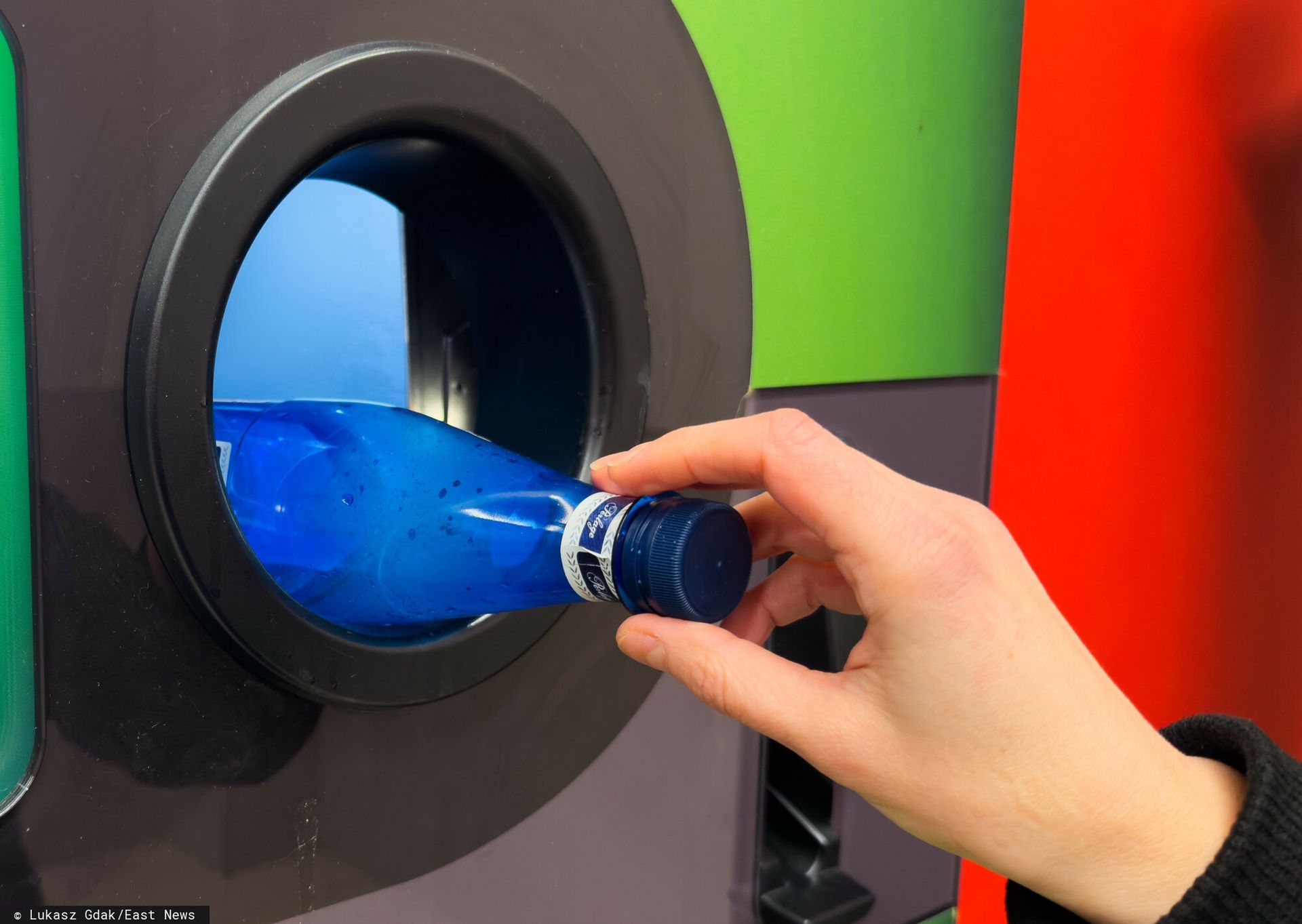
Efforts to circumvent Poland’s new deposit return system are emerging, including the creation of counterfeit labels and attempts to repeatedly scan the same containers, according to reports. The system, designed to boost recycling rates, is now facing challenges from individuals seeking to fraudulently claim refunds.
While instances of abuse remain isolated, primarily affecting single collection points or manual accounting processes, authorities are taking a firm stance against such activities. This highlights the ongoing need for robust security measures as deposit return schemes become more widespread.
Polish Consumers Test Limits of Deposit Return System
To deter fraud, the deposit return system incorporates multiple layers of verification. Automated machines utilize barcode scanners linked to a central database, alongside sensors that analyze the shape, weight, and material composition of containers. Each transaction is as well logged and analyzed for anomalies.
Unique identifiers and codes specific to the Polish market prevent the acceptance of containers originating from other systems. Data monitoring and analysis enable the rapid detection of suspicious behavior, often pinpointing issues down to the individual container level.
For retailers handling manual collections, thorough staff training is crucial. Operators verify the contents of collected bags during reconciliation, and any discrepancies between declared quantities and actual counts are charged back to the collection point.
According to Aneta Stelmaszczyk of Kaucja.pl – Krajowy System Kaucyjny S.A., attempts to fraudulently obtain deposit refunds are being treated as criminal offenses.
Misleading a store or operator to obtain an unwarranted amount – even a small sum – can result in a prison sentence of between six months and eight years. The counterfeiting of labels or the use of false markings carries a penalty of three to five years imprisonment.
“Even attempting to defraud the system of just a few złotych is considered a crime, not a misdemeanor,” Stelmaszczyk stated.
As of January 1, 2026, a transitional period allowing manufacturers to sell beverages in non-deposit containers has ended. Manufacturers participating in the system are now required to offer only packaging with the deposit mark, even though existing inventories can still be sold until depleted.
Source: “Portal Spożywczy”, WP Finanse
