
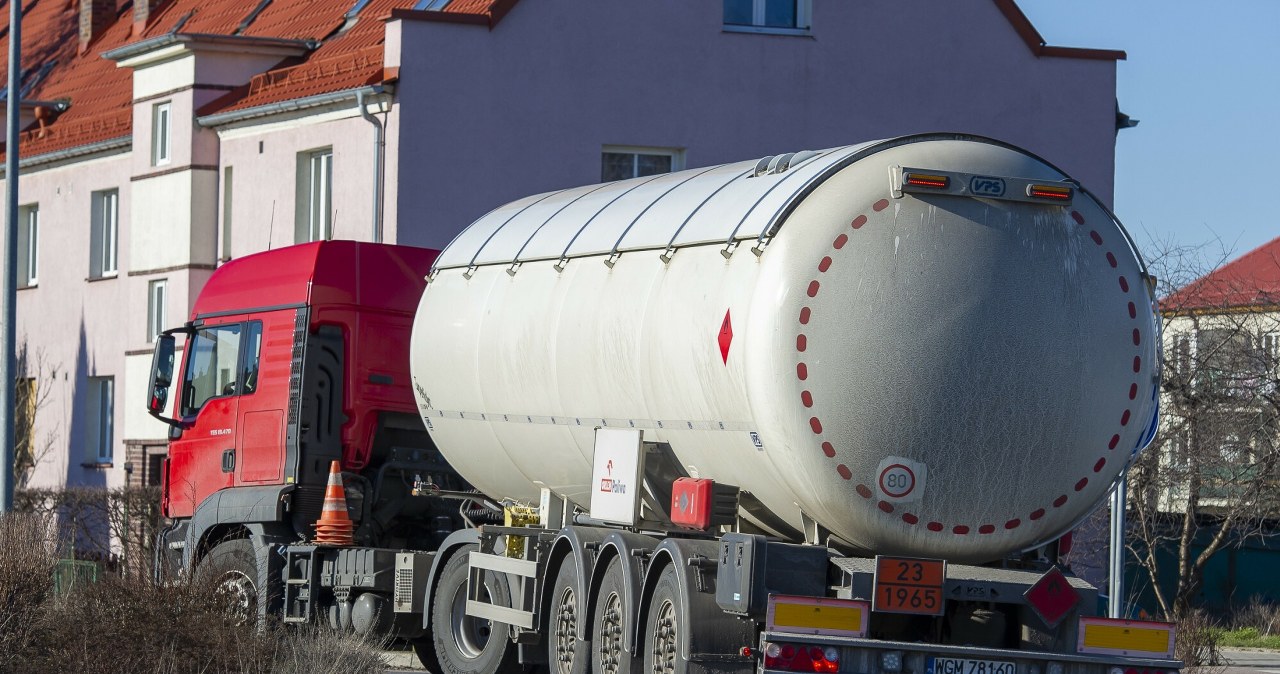
The Polish government has implemented a targeted fiscal intervention to curb surging energy costs, launching a tax relief package designed to lower retail fuel prices following a period of extreme market volatility. The move comes as a direct response to the geopolitical crisis in the Middle East, which has triggered a sharp increase in global crude oil prices.
According to Minister of Finance and Economy Andrzej Domański, the measures are intended to mitigate the “drastic increase” in prices at fueling stations, noting that the current economic climate requires a responsible approach to stabilize the domestic market. Under the terms of the intervention, the value-added tax (VAT) on fuels has been slashed from 23% to 8%, a rate that will remain in effect from March 31, 2026, through April 30, 2026.
In addition to the VAT reduction, the government implemented a temporary cut in excise duties from March 30 to April 15, 2026. These rates were lowered to the minimum levels permitted by the European Union, specifically 29 groszy per liter for gasoline and 28 groszy per liter for diesel. This specific relief applies exclusively to motor gasoline and diesel fuel.
The budgetary impact of these measures is significant, with the VAT reduction estimated to cost approximately 930 million PLN, while the excise duty cuts are expected to cost roughly 400 million PLN. This decision highlights the government’s priority in shielding consumers from the immediate shocks of global energy markets.
The current price instability is rooted in the conflict in the Middle East, which escalated on February 28, 2026, following attacks by the U.S. And Israel on Iran. This escalation caused a spike in global oil and refined fuel quotations, which subsequently filtered through to Polish retail stations. While the government initially described the “Ceny Paliwa Niżej” (Fuel Prices Lower) package as temporary, Minister of Energy Miłosz Motyka stated on Friday that the intervention would be maintained “as long as It’s needed.”
Market analysts are already speculating on the longevity of these measures. Economists from Credit Agricole, writing in the “MakroMapa” weekly report, suggest that the government may extend the intervention until February 2027. This projection is closely linked to inflation management; analysts note that because the price surge in March 2026 created a high baseline for year-on-year calculations, releasing prices in March 2027 would likely have a limited impact on inflation. However, some experts warn that such interventions could be a step toward painful inflation in the long term.
As of April 8, 2026, new fuel prices have taken effect at stations across the country. Official communications regarding the updated pricing and maximum price limits indicate that gasoline 95 is capped at 6.21 PLN per liter, while diesel is limited to 7.87 PLN per liter.
Parallel to these price controls, the government is also reviewing the possibility of imposing fuel restrictions for foreigners to ensure domestic supply stability during the crisis.
