
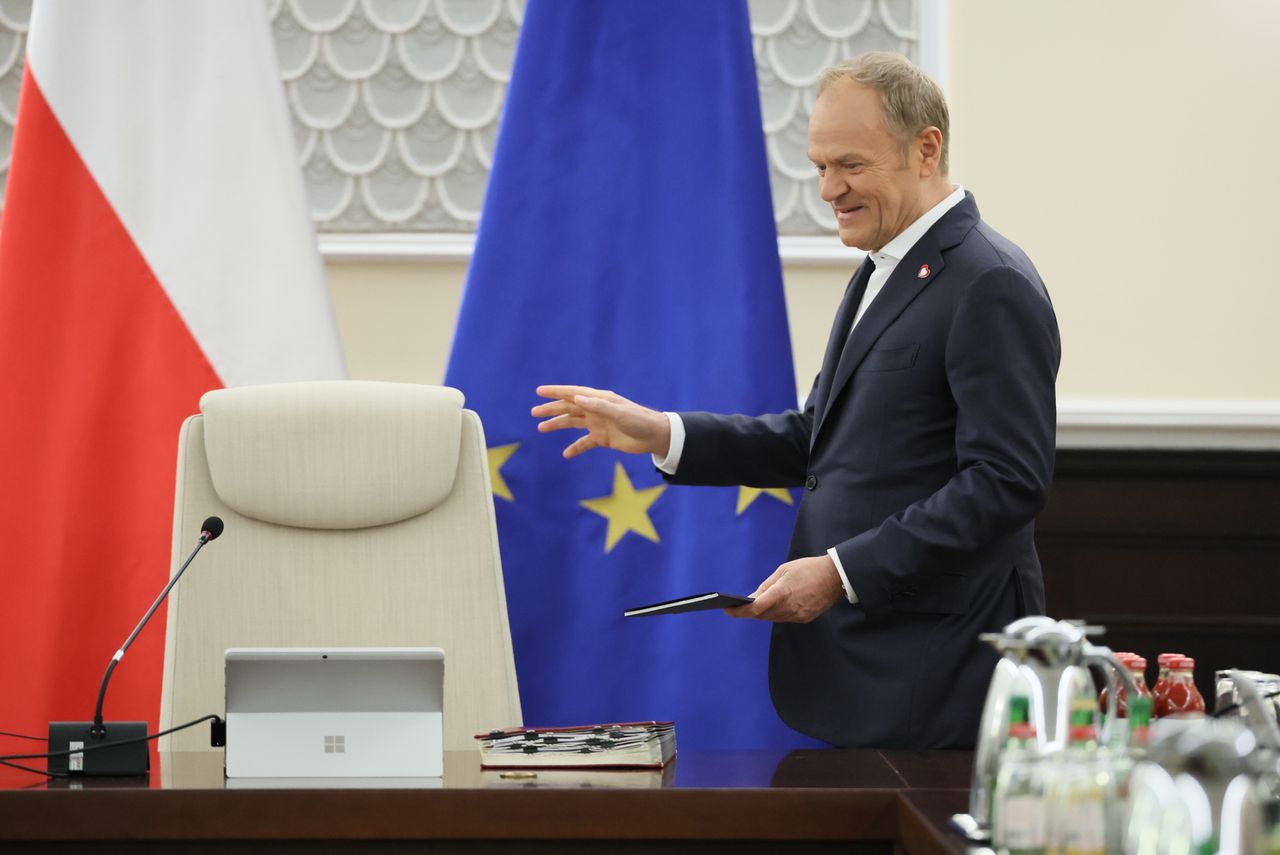
Poland continues to lead NATO in defense spending, with expenditures reaching 166.186 billion złoty in 2025 – equivalent to 4.3 percent of the country’s GDP. The significant investment underscores Poland’s commitment to security amid ongoing geopolitical instability in Eastern Europe.
This represents the highest percentage within the alliance. Lithuania followed with 4 percent of its GDP dedicated to defense, and Latvia at 3.74 percent.
Defense Spending Continues to Rise
Data indicates a dynamic increase in military spending in recent years. In 2024, Poland allocated 137.176 billion złoty to defense, representing 3.76 percent of its GDP.
Poland’s Success Without Promotion: An Expert’s View
Prior to that, defense spending amounted to 3.26 percent of GDP in 2023 and 2.21 percent in 2022, demonstrating an accelerating trend in investment in the armed forces.
In dollar terms, Poland spent $44.36 billion USD on defense in 2025, compared to $34.45 billion USD the previous year.

European Nations Increase Military Budgets
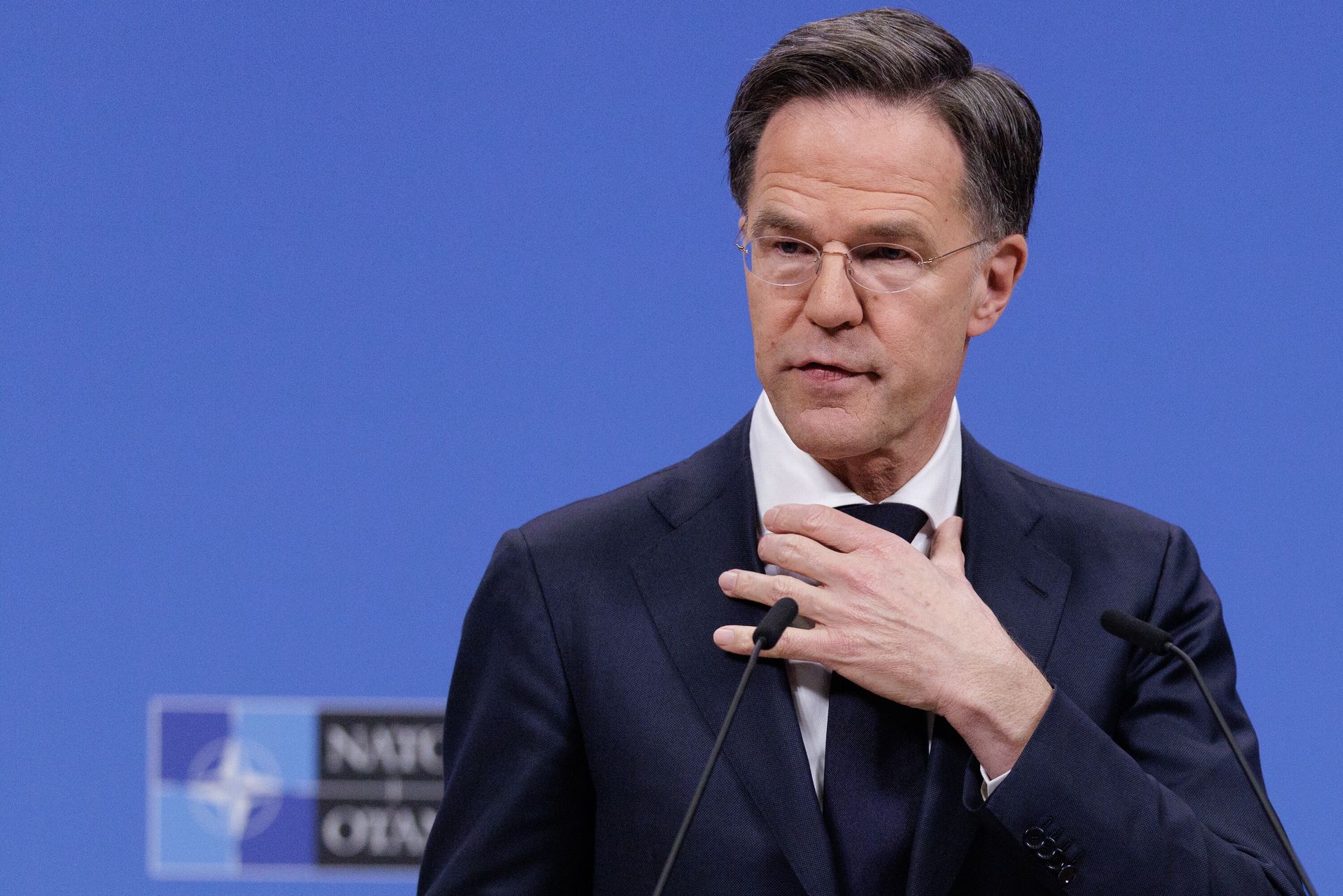
The increase in defense spending is a phenomenon observed throughout NATO. According to Secretary General Mark Rutte, total alliance expenditures exceeded $1.4 trillion (in 2021 constant prices).
European allies and Canada are doing more and investing more with their increased commitments – Rutte wrote in the report’s foreword.
Between 2024 and 2025, spending by European NATO countries and Canada increased by 106 percent in real terms. In 2025 alone, it totaled $574 billion USD, a 20 percent increase year-on-year.
Who is Spending the Most?
Following Poland in the rankings are the Baltic states and countries in Northern Europe. Estonia, Denmark, Norway, and the United States – which allocates 3.19 percent of its GDP to defense – as well feature prominently.
The top ten is completed by Finland, Greece, and the Netherlands. At the other end of the spectrum are countries that spend exactly the minimum required 2 percent of GDP. These include Portugal, Spain, Albania, Canada, and Belgium.
![Prof. Kołodko: Finanse publiczne są w kryzysie. Wciąż nie jest za późno na reakcję [OPINIA]](https://v.wpimg.pl/N2E3YjllYVMkUS9ZQxdsRmcJewMFTmIQMBFjSENdfAp1S3YMBQArQCBDNkQLHjtCJEQpRBwAYVM1WnYcXUMqWzZDNQsVQytfJ1Y9RQoJeQV1BWoPQQotV3IebQsPWmMKdQQ6Rw9YdwUkBDtTCV16CmdO)
NATO defines defense spending as all government payments allocated to the functioning of armed forces – both national and operating within the alliance.
The largest part of these expenditures comes from the budgets of defense ministries, allocated to maintaining the army, military equipment, and modernization.
