
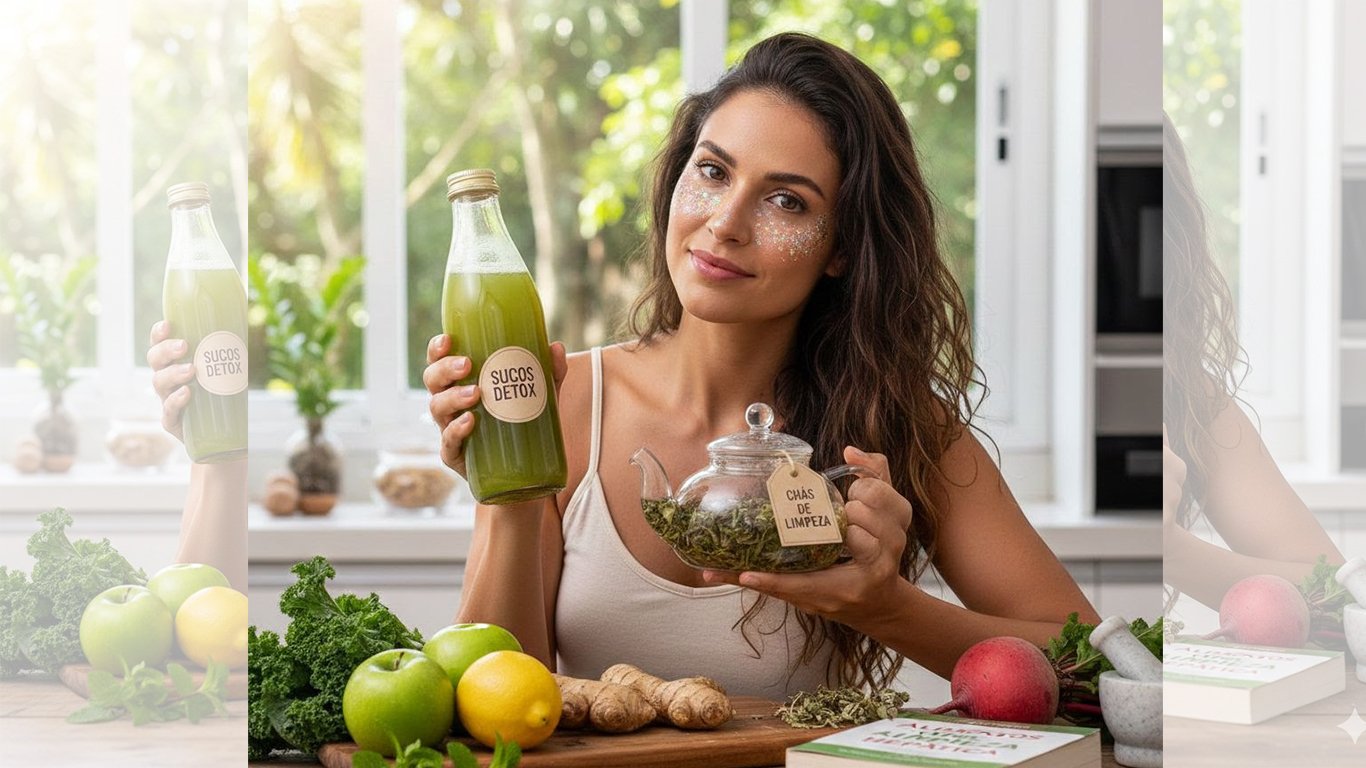
Headaches, malaise, and bloating can signal that your body is working hard to process indulgences. Rather than restrictive dieting, a post-Carnaval approach should focus on supporting kidney and liver function.
With guidance from Verônica Dias, an integrative nutritionist and pharmacist at the Instituto Nutrindo Ideais in Niterói, Brazil, here are tips for regaining balance after a period of celebration.
Do detox juices really operate, and what’s the best vegetable combination to support liver health?
According to Dias, the term “detox” is largely a marketing tactic, as the liver, intestines, and kidneys are naturally responsible for detoxification. “Yet, we need to provide the right tools to ensure these organs are functional and can perform their roles effectively. Well-formulated juices can optimize these metabolic pathways by providing bioactive compounds that support the phases of liver detoxification.”
From a scientific perspective, the most beneficial vegetables are those rich in:
Sulfur compounds (activate phase II liver enzymes): kale, arugula, broccoli
Polyphenols and flavonoids (reduce oxidative stress): ginger, turmeric, parsley
Soluble fiber (improves toxin excretion via the intestines): cucumber, apple with skin
A beneficial juice isn’t a “generic green juice,” but a strategically formulated one that provides support, such as:
- Kale + cucumber + ginger + lemon + chia seeds + water, without excess fruit.
- Pineapple + cucumber + kale + green apple + lemon + psyllium husk + water.
Light Protein Consumption After Carnaval
Dias explains that after excessive alcohol, fat, and sugar intake, the liver is already metabolically stressed. Red meats place a significant burden on the entire digestive system, requiring more stomach acid, greater digestive effort, and increased production of nitrogenous metabolites.
Lean proteins like eggs and fish, however, offer high bioavailability of amino acids, lower inflammatory load, faster and more efficient digestion, and avoid overburdening the system.
They also provide key nutrients for liver recovery, including:
Choline (eggs) → essential for fat metabolism in the liver
Omega-3 fatty acids (fish) → proven anti-inflammatory effect
This isn’t about restriction, it’s about nutritional intelligence – knowing how to provide the body with what it needs.
The Role of Teas in Reducing Bloating and Fluid Retention
Certain teas have scientific backing for their mild diuretic effects, support of liver function, and aid to digestion, without harming the body:
Horsetail tea – mild diuretic effect;
Hibiscus tea – helps reduce fluid retention;
Dandelion tea – supports liver and bile function;
Ginger or mint tea – improves digestion and reduces nausea;
Holy thorn tea – traditionally used and studied for its gastroprotective action, helping to reduce gastric irritation, heartburn, and digestive discomfort common after celebrations, especially after excessive alcohol and fatty food consumption.
It’s important to note that teas should not replace water, but function as functional adjuncts within a well-managed strategy. Another excellent strategy is electrolyte replenishment: coconut water or electrolyte supplements. Avoid isotonic drinks with dyes and high sodium content, as these can worsen retention and associated symptoms.
Common Mistakes People Make When Trying to “Compensate” for Carnaval Excesses
According to Dias, the biggest mistake is adopting a metabolic punishment mindset:
Prolonged fasting without preparation
Extremely restrictive diets
Excessive use of laxatives, teas, or “detox” supplements
She notes that this increases physiological stress, worsens fluid retention, exacerbates inflammation, and can even further disrupt the intestines.
Science Shows the Body Recovers Best With:
Regular meals
Good hydration
Adequate sleep
The right nutrients at the right time
The path isn’t “compensation,” it’s reorganizing metabolism with nutritional intelligence. In other words, return to a routine providing the body with real food, water, sleep, and movement (physical activity).
REFERENCES:
Sociedade Brasileira de Hepatologia – material: “Miraculous detox diets do not exist.”
Guidelines from the Brazilian Association of Nutrition (ASBRAN)
Costa, NMB; Rosa, COB. Functional Foods – Bioactive Components and Physiological Effects. Rubio Editora.
SOURCE:
Verônica Dias, integrative nutritionist and pharmacist at the Instituto Nutrindo Ideais (@nutrindoideais) / Niterói (RJ).
Nutritionist and pharmacist, postgraduate degree in Integrative Therapies, specializing in intestinal modulation, nutritional psychiatry, and phytotherapy. Postgraduate student in Sports Nutrition. CRN4: 24100766. CRF RJ: 29507.
