
In Brief
- Using pre-workout supplements significantly increases the risk of sleep deprivation in young people and teenagers.
- Excessive caffeine in these supplements disrupts sleep patterns, which are crucial for healthy development and well-being.
- Healthcare professionals and educators should inform young people about the potential dangers of pre-workout supplements.
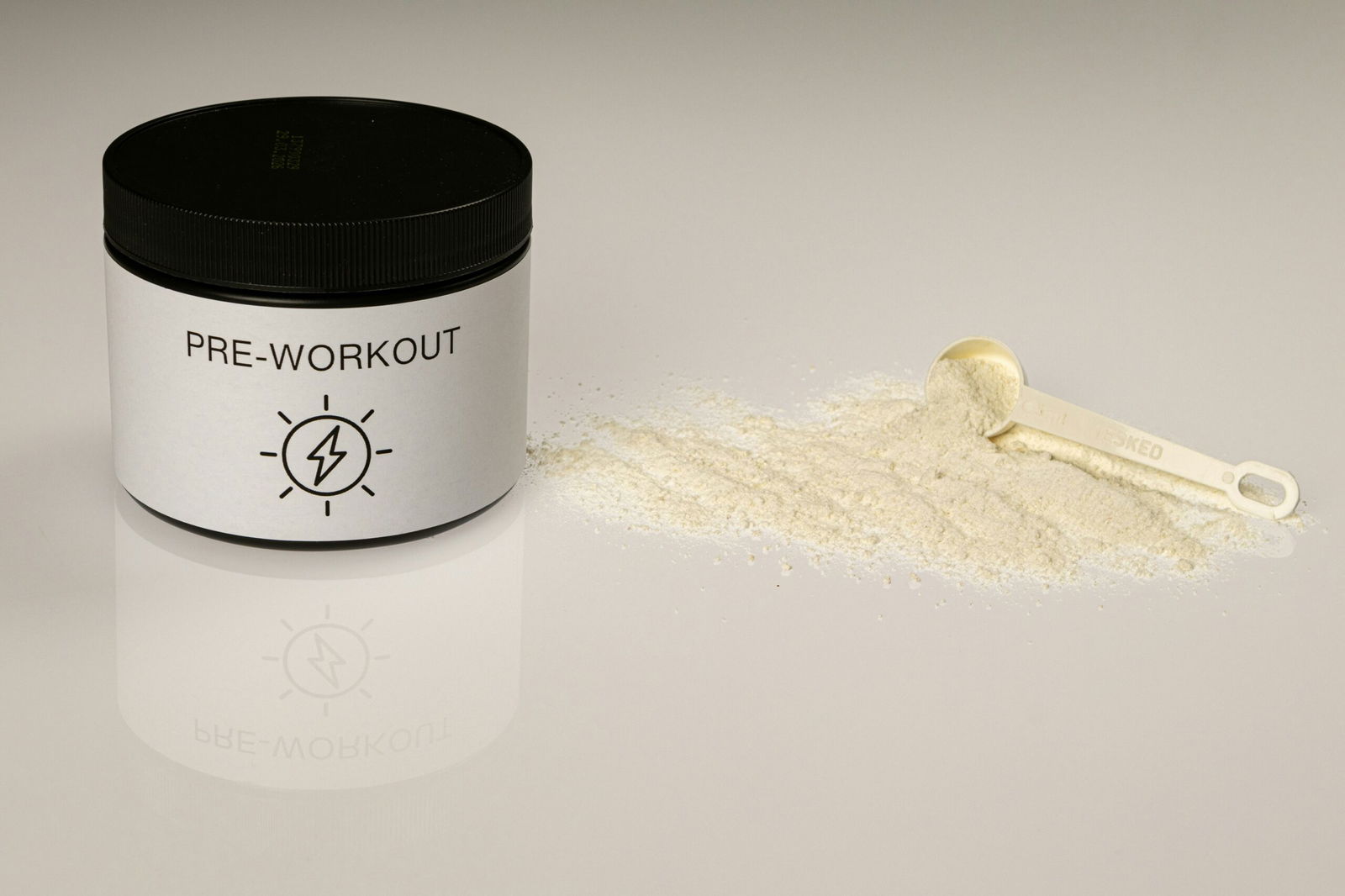
Many young people are turning to pre-workout supplements to boost energy levels and enhance athletic performance. These supplements, often containing high levels of caffeine and other stimulants, are becoming increasingly popular among adolescents and young adults. However, research from the University of Toronto suggests a potential downside: a substantial reduction in sleep duration. This finding is particularly concerning, as adequate sleep is vital for physical and mental health, especially during formative years.
Increased Risk of Sleep Deprivation
A study conducted among Canadian teenagers and young adults revealed that those who used pre-workout supplements were more than twice as likely to report sleeping five hours or less per night compared to those who did not use them. This is significantly less than the recommended 7 to 9 hours of sleep for young adults and 8 to 10 hours for teenagers. Insufficient sleep can have wide-ranging consequences for academic performance, mood, and overall health.
Kyle T. Ganson, the lead author of the study, highlighted the potential risks these supplements pose to the well-being of young people. He noted that the stimulating ingredients in pre-workout formulas can exacerbate existing sleep disorders during a critical developmental stage.
High Caffeine Content
Pre-workout supplements frequently contain alarmingly high levels of caffeine, ranging from 90 to over 350 milligrams per serving. This is considerably more than a typical can of soda (approximately 35 milligrams) or a cup of coffee (around 100 milligrams). Researchers caution that these high caffeine concentrations can contribute to inadequate sleep, which is essential for healthy development, mental well-being, and academic success.
In light of these findings, healthcare providers are encouraged to routinely ask their young patients about their use of pre-workout supplements. They also recommend practical strategies to mitigate harm, such as avoiding these products 12 to 14 hours before bedtime. The study’s authors advocate for stricter regulations on dietary supplements in Canada to protect young people from potential health risks.
Education and Awareness
Ganson emphasized the importance of educating young people and their families about the potential sleep-disrupting effects and overall health consequences of pre-workout supplements. He reminded audiences that these products, often perceived as harmless fitness aids, can have unintended repercussions. Raising awareness about these risks is a crucial step in protecting the health of young athletes and fitness enthusiasts.
