
Czech President and Government Clash Over NATO Summit Representation
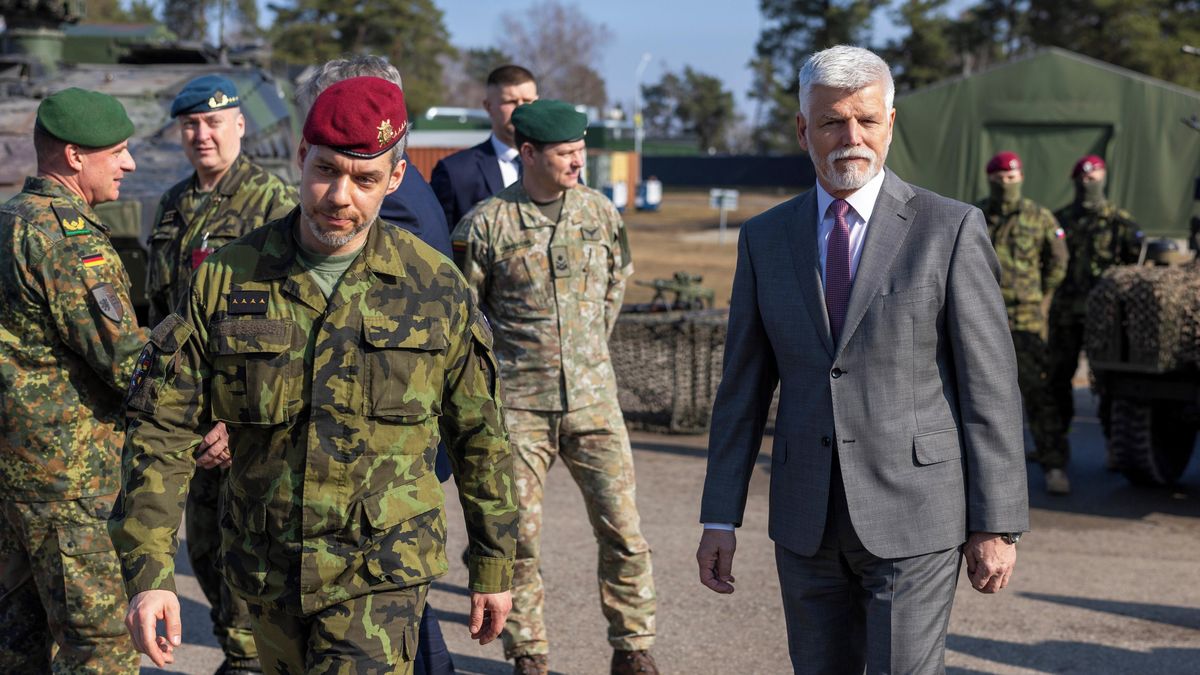
A deepening political divide between Czech President Petr Pavel and the administration of Prime Minister Andrej Babiš has escalated into a public confrontation over who will represent the nation at the upcoming NATO summit in Ankara. The dispute highlights a volatile power struggle between the head of state and the ruling conservative coalition.
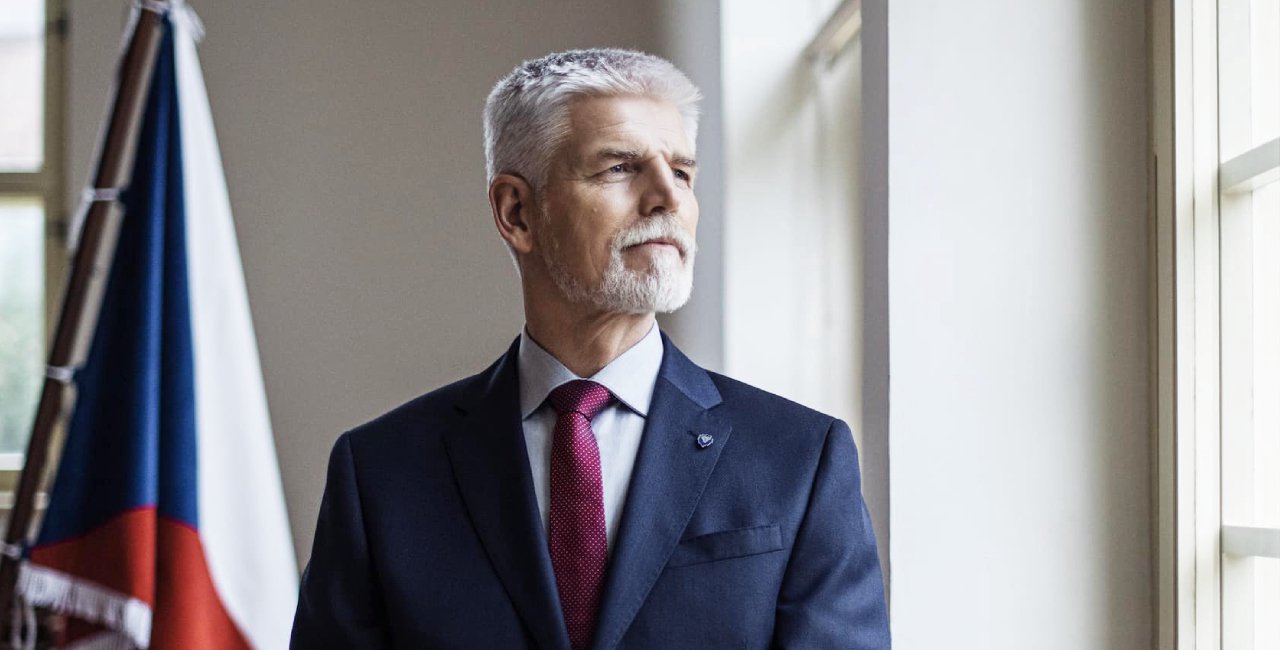
The cabinet has explicitly stated that President Pavel’s presence at the summit is not desired. Instead, the government intends for the Czech Republic to be represented by Prime Minister Babiš, Defence Minister Jaromír Zůna and Foreign Minister Petr Macinka. However, Pavel, citing his authority as Commander in Chief of the Armed Forces, has maintained that he will attend the NATO summit in accordance with the constitution, a position he communicated directly to Babiš.
The tension underscores a breakdown in diplomatic relations that began early in the current administration. Pavel has asserted that Foreign Minister Macinka will not decide on his trip to the summit, while further noting that he expects Macinka to understand his actual role within the government structure.
The friction is rooted in a series of high-profile disagreements, most notably Pavel’s refusal to appoint Filip Turek, a nominee from the “Motorists for Themselves” party, to a ministerial post. This refusal led to an explosive confrontation in January 2026, when President Pavel accused Foreign Minister Macinka of blackmail. Pavel referred a series of late-night SMS messages sent to his chief adviser, Petr Kolar, to the police for review.
In those messages, Macinka allegedly threatened to fight the president “with no scruples” unless Turek was appointed as environment minister. The messages suggested that Pavel would only find “peace of mind” once the appointment was made.
The relationship has further deteriorated over policy disputes. The government dismissed Pavel’s criticisms regarding defense spending cuts in the 2026 budget and ignored his recommendation to reassess ties with Hungary following reports that Hungarian Foreign Minister Péter Szijjártó had leaked confidential EU information to Russia. Government officials labeled the president’s suggestions “irrelevant.”
As of April 8, 2026, the rhetoric remains sharp. Macinka has responded to the president’s recent actions by claiming that the president’s persistence is beginning to seem undignified. Other observers have described the current form of “cohabitation” between the president and the foreign minister as “extreme,” comparing the lack of decorum to an act of public indecency during a state reception in a critique published by Hospodářské noviny.
This ongoing conflict underscores the fragility of the current Czech political landscape, where the constitutional boundaries between the presidency and the executive branch are being aggressively contested ahead of the Ankara summit.
