
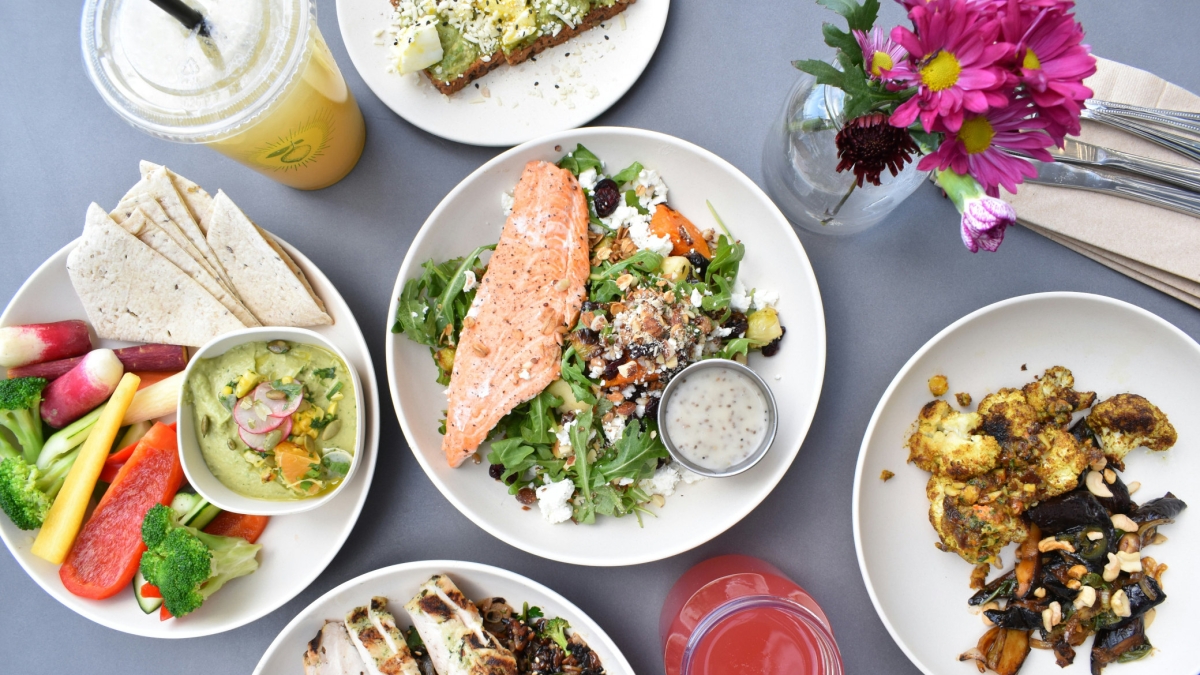
Among older adults with a normal weight, the survival rates of pesco-vegetarians are comparable to those of omnivores.
More than a decade ago, my lab published findings regarding the consumption of high doses of protein, particularly from animal sources, in the United States. The study showed a strong association between this dietary pattern and increased mortality from all causes, especially cancer, when compared to individuals who consumed lower amounts of protein.
However, this effect disappeared in older individuals. Specifically, a 75-year-old person eating a low-protein diet did not, on average, live longer – and may have even lived less long – than someone consuming at least a moderate amount of protein. During an appearance on an American television program, a physician-journalist, while discussing our study, remarked, “Low protein in middle-aged people, higher protein in older people? I’m confused!”
Within 24 hours, thousands of largely negative comments about our perform appeared on the television channel’s website and numerous other online platforms. People who eat meat were upset, believing we were trying to grab it away from them, while vegans were frustrated, thinking we were suggesting that older adults should eat meat to live longer. No one was pleased due to the fact that the data suggested an unexpected level of complexity. Could it be that meat has a protective effect only after a certain age, potentially by helping to prevent frailty?
Many readers of this article will likely identify with the group of skeptics, whether they are vegans or meat-eaters, or with the confused professionals. However, for our health, it’s necessary to address this complexity with the aid of nutritionists or physicians experienced in nutrition. In fact, a recently published study in the American Journal of Clinical Nutrition confirms the importance of adapting dietary composition to different life stages, after studying the probability of 5,203 people over the age of 80 reaching 100 years of age.
Participants were divided into groups: omnivores and vegetarians, and then into subgroups of pesco-vegetarians (including fish), ovo-lacto-vegetarians (including eggs and dairy), and vegans. Compared to omnivores, vegetarians had approximately a 20% lower probability of reaching 100 years, and vegans had approximately a 30% lower probability. Conversely, vegetarians who also ate fish or eggs and dairy had a probability of reaching 100 years similar to that of omnivores.
That television physician would have said that all of What we have is already quite complicated. But the story becomes even more complex because, when the studied individuals over 80 were divided based on weight, only underweight vegetarians (BMI less than 18.5) had a reduced chance of reaching 100 years, while those with a normal weight did not. Interestingly, normal-weight vegans had a lower probability of reaching 100 years by 25%, although this reduction was not statistically significant – meaning it should be confirmed or refuted by larger studies.
Among older adults with a normal weight, those whose survival most closely resembled that of omnivores were pesco-vegetarians. Daily vegetable consumption, but not fruit consumption, was the only factor associated with a twofold increased probability of becoming a centenarian.
These findings confirm the recommendations of the Longevity Diet, which suggests that after age 65-70, a healthy omnivorous or pesco-vegetarian diet with high vegetable intake is ideal, but that a vegetarian diet can also be acceptable if the person maintains a normal weight and is careful to consume a sufficient, but not excessive, amount of protein.
