
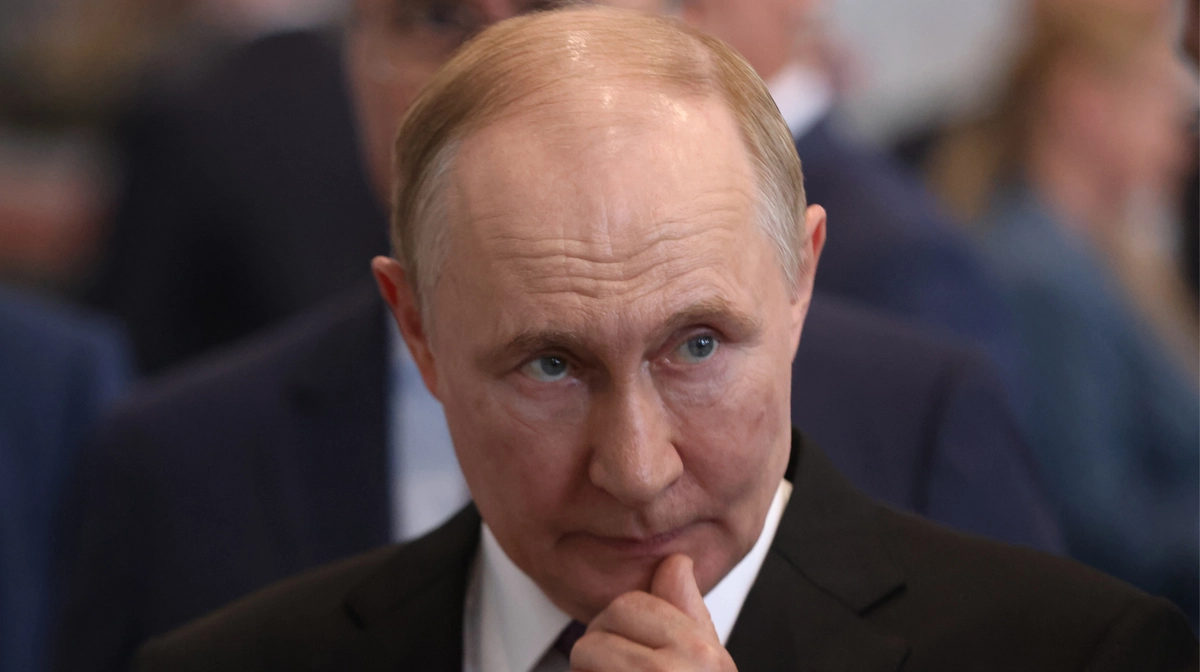
Russian President Vladimir Putin has announced a brief “Easter truce” in Ukraine, ordering a temporary cessation of hostilities to coincide with the Orthodox holiday. The move comes as a gesture tied to the religious observance, though the Kremlin has cautioned that Russian forces remain prepared to respond to any opposition.
According to reports from the Kremlin, the ceasefire is scheduled to begin at 4:00 p.m. Moscow time on April 11, 2026 and will last until the end of the day on April 12, 2026. This timeline provides a window of approximately one and a half days of suspended combat, concluding on the day Orthodox Easter is celebrated.
The decision, issued by the Supreme Commander-in-Chief of the Armed Forces of the Russian Federation, explicitly calls for a halt in military operations during this window. However, the directive includes a caveat: troops are to remain ready to retaliate if the opponent initiates action. This strategic ambiguity underscores the fragile nature of such temporary pauses in the ongoing conflict.
Moscow has indicated that it expects Kyiv to reciprocate the gesture. “We proceed from the assumption that the Ukrainian side will follow the example of the Russian Federation,” the Kremlin stated regarding the Easter truce.
This announcement follows a precedent set in 2025, when Russia declared a similar Easter ceasefire that ran from the evening of April 19 through April 21. By calling for a repeat of this gesture, the Kremlin is attempting to frame the cessation of violence as a religious necessity, though the short duration of the truce suggests a limited tactical pause rather than a broader diplomatic shift.
