Qatar Declares Force Majeure on LNG Supplies, But South Korea Expects Minimal Disruption
Available Volumes Secured Through Year-End, Though Price Volatility Remains a Concern
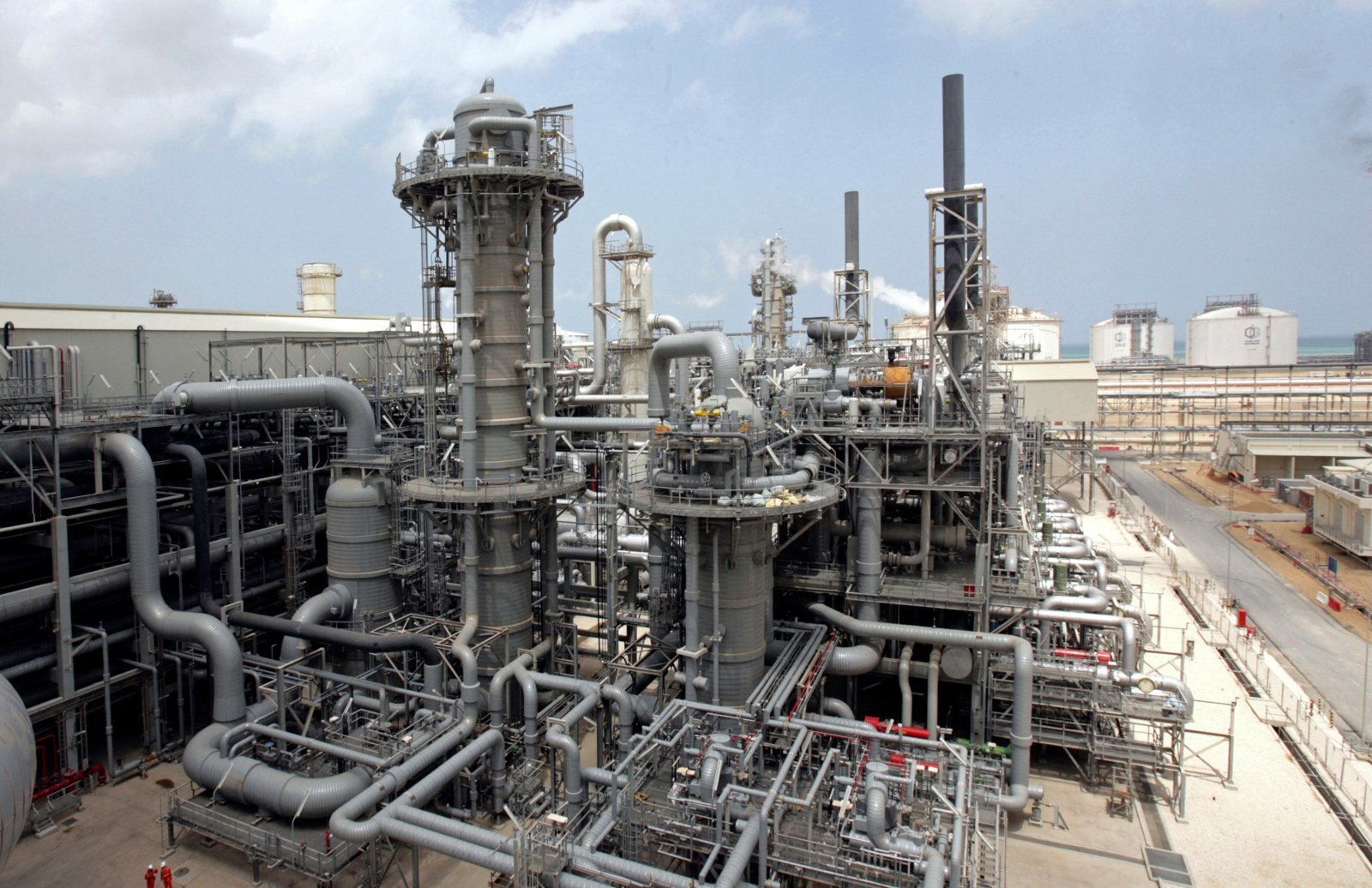
AP/뉴시스
 Amidst escalating tensions in the Middle East, QatarEnergy has reportedly invoked force majeure on long-term liquefied natural gas (LNG) supply contracts with key nations, including South Korea. However, the South Korean government indicated on Tuesday, March 25, 2026, that it does not anticipate significant disruptions to its gas supply. Officials stated they are closely monitoring the situation for potential price increases.
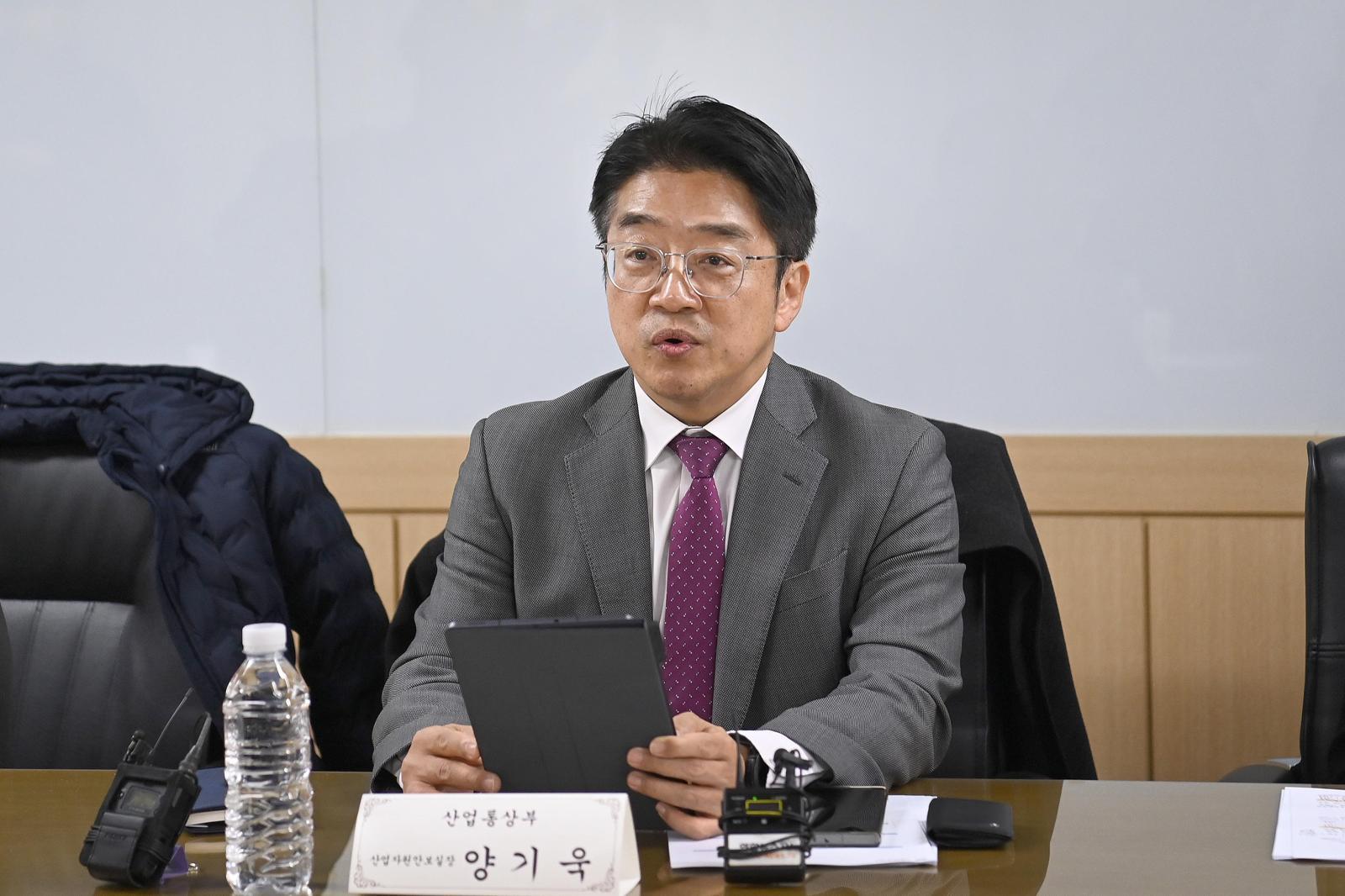
Yang Ki-uk, head of the Industrial Resource Security Bureau at the Ministry of Trade, Industry and Energy, stated during a daily briefing at the Government Complex in Sejong, “There has been no official announcement from Qatar’s energy ministry, but Korea Gas Corporation, as a primary contract holder, will respond if it is formalized.” He added, “Qatar’s volumes were already excluded from our calculations for this year, so force majeure itself is not considered an additional factor impacting our supply situation.” Yang further noted that sufficient LNG volumes are secured through the end of the year, with additional supplies being actively pursued.
Despite the assurances, officials acknowledged the potential for a ripple effect on electricity prices should gas costs rise. Yang explained that even assuming a complete halt to LNG deliveries from Qatar, “there would be no major supply issues for the next three to five years through spot purchases or alternative sourcing.” However, he cautioned that the market could shift from a buyer’s market to a seller’s market, increasing price volatility. “If gas prices rise, it will put upward pressure on gas-fired power generation costs, which will then impact overall electricity prices,” he said. “This will also affect heating costs supplied through city gas.”

  Yang Ki-uk, head of the Industrial Resource Security Bureau at the Ministry of Trade, Industry, and Energy. March 5, 2026. Provided by the Ministry of Trade, Industry and Energy
 Yang indicated that the possibility of impacts on various fees is “very high” after the summer months. He also mentioned that the Ministry of Climate, Energy and Environment has already announced plans to increase nuclear power generation and reduce reliance on gas-fired power plants. The disruption also comes as supply issues with naphtha and other petrochemical feedstocks have led to shortages of trash bags and significant price increases for paint. “We are assessing the source of each issue,” Yang said, adding that the more than 40 percent surge in paint prices was unexpected, prompting a review of the paint supply chain.
The force majeure declaration follows an attack on the Ras Laffan gas facility in northern Qatar on March 19 by Iran, which damaged two of the 14 LNG production facilities. Reuters reported on March 24 that Qatar subsequently declared force majeure on its long-term LNG supply contracts with nations like South Korea. When asked whether South Korea could seek compensation for potential losses incurred from purchasing LNG at higher spot market prices due to reduced Qatari supplies, Yang stated, “We demand to review the contracts further,” and speculated, “It’s possible that Qatar declared force majeure first.”
Bio:
John Smith is the World Editor at Headlinez.News, leading the global news desk and overseeing international correspondents. With 15 years of field experience across Europe, the Middle East, and Asia, John has reported from conflict zones, summits, and humanitarian missions. His deep understanding of geopolitical trends and cross-cultural reporting ensures that readers receive accurate, balanced perspectives on world events that shape the global narrative.
Expertise: International reporting, geopolitics, diplomacy, conflict journalism, foreign policy analysis.
Location: London, United Kingdom