
Gas Facility Hit, Supply to Italy, Belgium, China Halted
Korea’s LNG Imports Affected, Electricity and Gas Prices May Rise
QatarEnergy, the state-owned energy company of Qatar, has declared *force majeure* on long-term liquefied natural gas (LNG) supply contracts with South Korea, Italy, Belgium, and China. The move comes amid escalating regional tensions following reported attacks on energy infrastructure.
South Korea relies on Qatar for approximately 14% of its LNG imports, raising concerns that prolonged disruptions could lead to significant increases in electricity and gas prices. The declaration of *force majeure* places pressure on importing nations to quickly secure alternative supplies.
According to a report from Reuters on March 24, QatarEnergy cited damage to key facilities as the reason for invoking the *force majeure* clause. This legal provision allows a party to suspend contractual obligations due to extraordinary events beyond their control, such as natural disasters or acts of war.
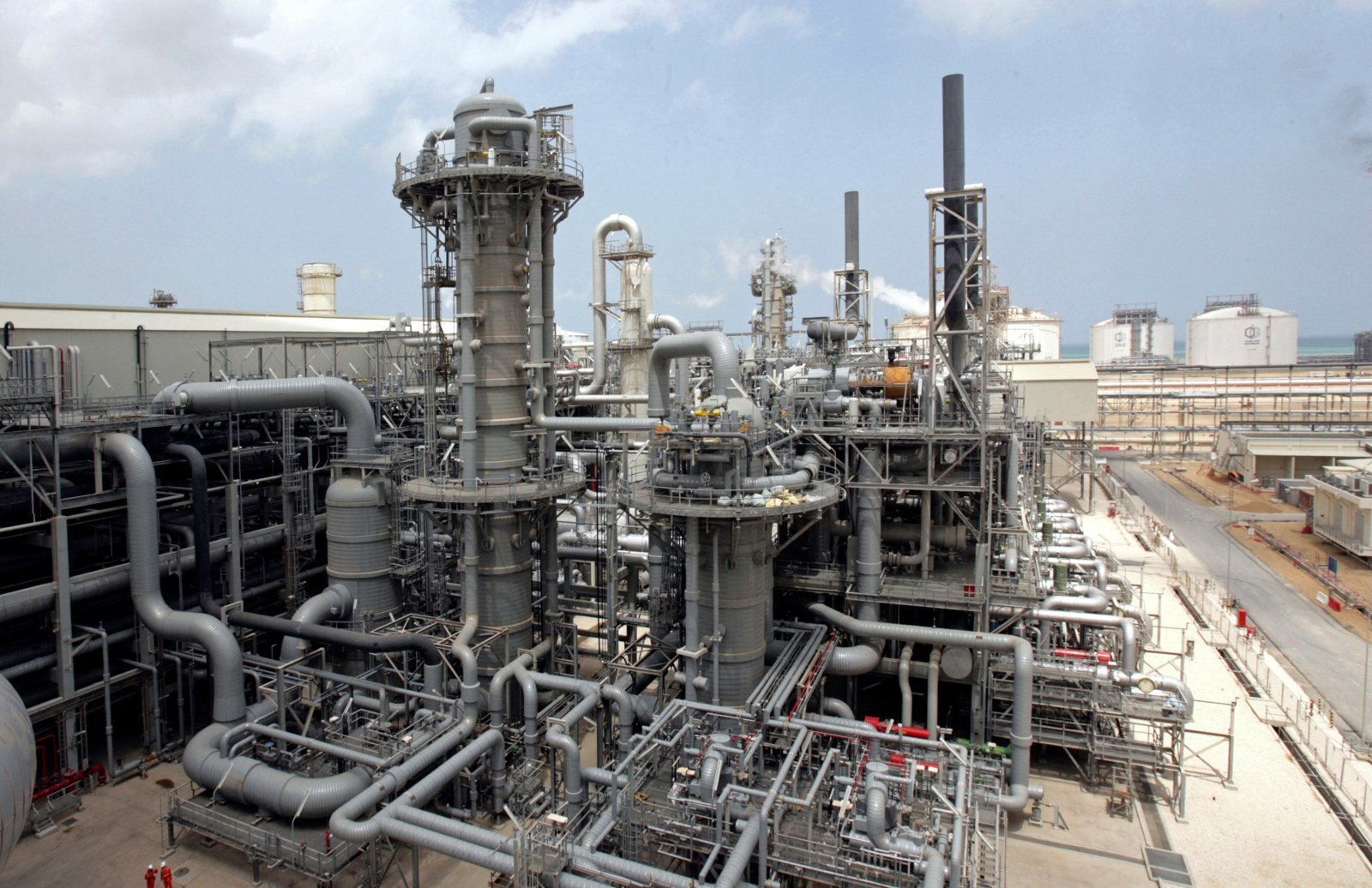
The decision follows Iranian attacks that reportedly damaged energy infrastructure in the Gulf region. On March 18, a fire broke out at a critical gas facility in Ras Laffan, a major industrial city located approximately 70 kilometers north of Doha, Qatar’s capital. Ras Laffan is a key hub for LNG, petrochemicals, power generation, and desalination, and handles around 20% of global LNG supply.
Saad al-Kaabi, CEO of QatarEnergy, stated on March 19 that the attacks had impacted facilities responsible for approximately 17% of Qatar’s LNG export production capacity, and that repairs could take three to five years. He added that the damage to two LNG production units may necessitate invoking *force majeure* on long-term supply contracts with South Korea, Italy, Belgium, and China, potentially spanning up to five years.
The development has prompted an immediate response from the South Korean government, though officials currently maintain that supplies are adequate. However, they acknowledge that a prolonged disruption could lead to increased costs and potential curtailments in power generation, heating, and industrial activity.
According to Korea Gas Corporation, South Korea’s LNG reserve requirement is equivalent to approximately nine days of supply. While the country’s LNG imports are relatively less dependent on the Middle East compared to oil – with Australia (31.4%), Malaysia (16.1%), and Qatar (14.9%) as leading suppliers in 2023 – the limited storage capacity and reliance on long-term contracts could force South Korea to purchase more expensive LNG on the spot market.
Experts warn that disruptions to LNG supply chains could trigger a surge in energy prices, inflicting substantial damage on various industries. A report by the Korea Institute for Industrial Economics & Trade (KIEIT) indicated that a prolonged closure of the Hormuz Strait could raise LNG prices by as much as 200%, and increase overall industrial production costs in South Korea by an average of 9.4%.
LNG is a crucial energy source for South Korea, used in power generation, heating, and industrial processes. Rising LNG prices could fuel broader inflation, potentially leading to increases in electricity rates and other consumer goods. The situation underscores growing regional instability and its potential impact on global energy markets.
© dongA.com All rights reserved. 무단 전재, 재배포 및 AI학습 이용 금지
