
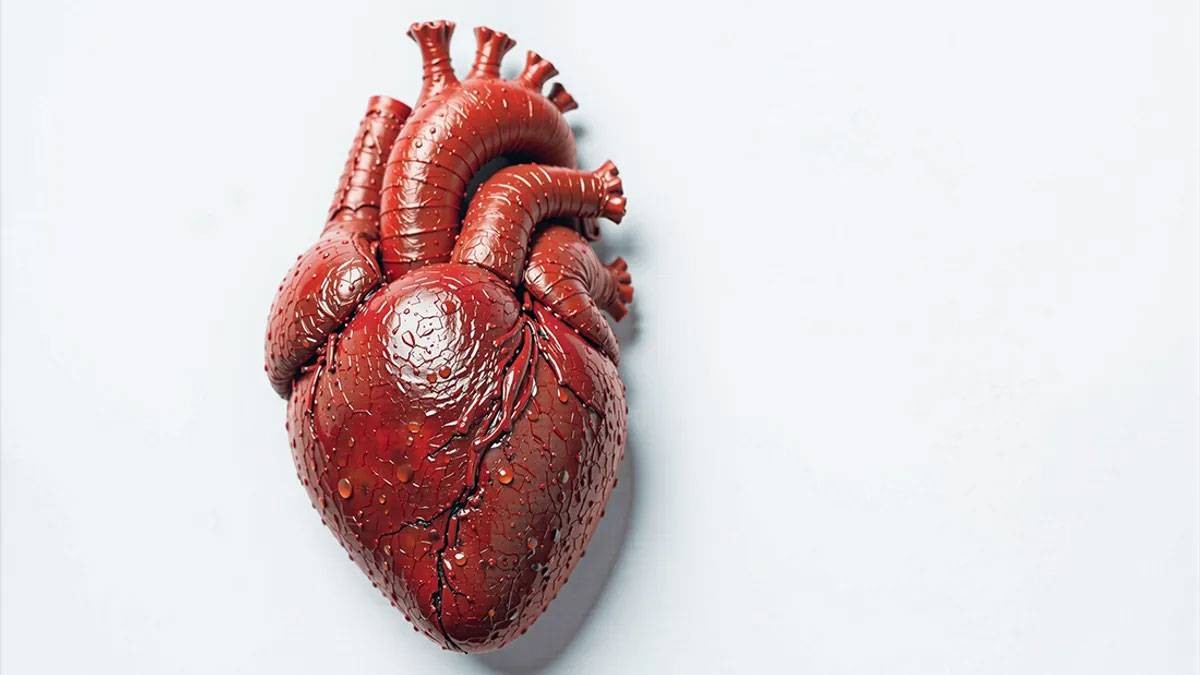
While cancer is a leading cause of death worldwide, a rare form – heart cancer – remains largely unheard of. Despite the heart’s vital, tireless work throughout our lives, primary malignant tumors of the heart are exceptionally uncommon when compared to cancers of the lung, breast, or colon. Understanding why this cancer is so rare offers insight into the fundamental biology of cancer development and could have implications for future research.
Many wonder why, if cancer can affect almost any part of the body, heart cancer isn’t as frequently discussed as other types.
The reality is that heart cancer does exist, but it’s incredibly rare. According to the World Health Organization, cancer is a major cause of death globally, accounting for nearly 10 million deaths in 2020, with breast, lung, colorectal, and prostate cancers being the most prevalent. These widespread cancers receive significant awareness campaigns and media attention.
Primary heart tumors – those originating in the heart itself – are exceedingly uncommon, estimated to affect between 0.0017% and 0.028% of the population, with only about 25% of those being malignant. This explains why most people have never encountered a case.
Cardiologists confirm that seeing a case of malignant primary heart cancer is an exceptional event during a physician’s career. Most tumors discovered in the heart aren’t primary, but rather cancerous growths that have spread from other organs, such as the lungs or breast. In these instances, the disease is often already advanced, limiting treatment options.
But why is it so rare?
The answer lies in the nature of heart cells themselves. Cardiac muscle cells are considered “terminally differentiated,” meaning they largely stop dividing after an early stage of life. After the age of 20, the rate of heart cell division decreases dramatically, with less than half of the cells being replaced throughout a person’s lifetime. Because cancer is often linked to errors that occur during cell division and DNA replication, a low rate of division means fewer opportunities for those errors to occur, according to iflscience.
Essentially, the heart possesses a natural defense against cancer – its cells don’t divide often, reducing the chances of them becoming cancerous. The rarity of heart cancer doesn’t imply it’s nonexistent, but rather that it’s far less common than other cancers, though its appearance can be particularly dangerous due to the vital function of this organ.
The World Health Organization provides further information on lung cancer, a far more common form of the disease.
