
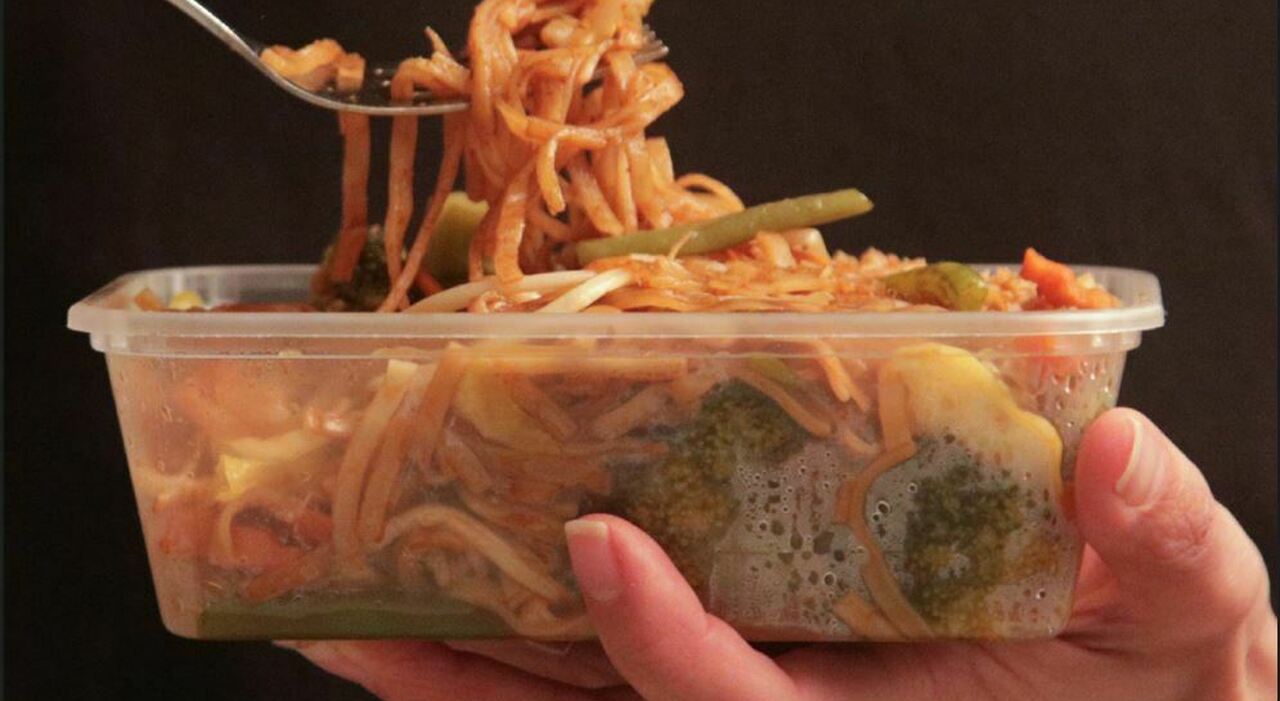
Convenient, quick, and increasingly common in our freezers, ready-to-heat meals in the microwave seem like the ideal solution for those with limited time. Although, a new report suggests significant health and environmental risks may lie behind this convenience.
The investigation, published by Greenpeace International, examines 24 recent scientific studies analyzing the potential dangers of ready meals packaged in plastic containers.
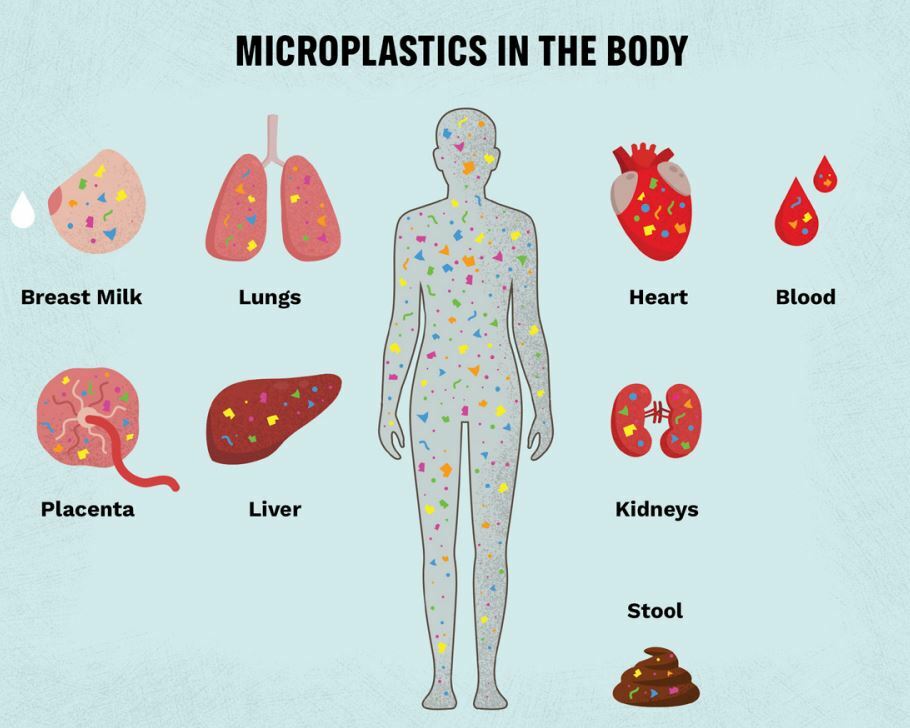
The findings are concerning: during heating, hundreds of thousands of tiny plastic particles can migrate into food, along with hazardous chemicals, potentially leading to long-term health consequences.
Health Impacts
The report indicates that at least 1,396 chemicals present in plastics in contact with food have been detected in the human body, including several already recognized as dangerous to health and linked to conditions such as cancer, infertility, neurodevelopmental disorders, and cardiovascular and metabolic diseases like obesity.
The Risks
“When people buy and heat a plastic-packaged meal, they think they are making an innocuous choice,” says Graham Forbes, head of Greenpeace USA’s global campaign against plastic. “In reality, we are exposed to a cocktail of microplastics and chemicals that should never be in our food.”
An Impact Beyond Human Health
The contamination doesn’t just affect consumers of these products.
Trays, films, and plastic packaging generate pollution throughout their lifecycle: from the extraction of fossil fuels to energy-intensive production, to final disposal. These single-apply materials—often composed of multiple layers difficult to separate—are complex to recycle once discarded. Over time, they break down into micro and nanoplastics that accumulate in the soil, rivers, and oceans, damaging ecosystems and re-entering the food chain.
Even when plastic is recycled, the process can degrade the material, promoting the release of hazardous chemical additives into new products.
The Hidden Risk Behind the “Microwave Safe” Label
According to the report, the “microwave safe” label can be misleading. The label generally indicates that the container maintains its structural integrity during heating, but does not guarantee that it will not release microplastics or chemicals into the food.
One study cited found that after just five minutes in the microwave, between 326,000 and 534,000 particles of micro and nanoplastics can migrate into food simulants. Nanoplastics, due to their extremely small size, could potentially cross organs and the bloodstream.
Plastic can also contain over 4,200 chemicals considered hazardous. Many are not regulated in food packaging, and some are associated with pathologies such as cancer, infertility, hormonal alterations, and metabolic diseases.
At least 1,396 chemicals linked to plastic in contact with food have already been identified in the human body, with growing evidence linking exposure to neurodevelopmental disorders, cardiovascular diseases, obesity, and type 2 diabetes.
High temperatures, prolonged heating times, worn containers, and fatty foods—which tend to absorb more chemicals—significantly increase the migration of particles and additives into meals.
Insufficient Regulations
In the European Union, plastic materials in contact with food are regulated through migration limits for some known chemicals, based on the recommendations of the European Food Safety Authority (EFSA). However, there are currently no specific thresholds for microplastic particles.
In a communication to Euronews Green, EFSA stated it is aware of the growing concern on the issue and had already identified it as a priority in 2021. The Authority stresses the need to fill data gaps, develop harmonized analytical methods, and obtain more complete information on exposure along the entire food chain.
At the request of the European Parliament, EFSA is currently conducting an assessment of the potential health risks from the presence of microplastics in food, water, and air. The results are expected by the conclude of 2027.
A Growing Phenomenon
Plastic pollution continues to increase. According to the International Energy Agency, packaging accounts for 36% of the entire global plastic production, which could double by 2050.
The market for ready meals packaged in plastic, already exceeding 160 billion euros, could reach almost 300 billion by 2034, driven by demand for quick and convenient solutions. In 2024, 71 million tons of ready meals were produced globally, equivalent to about 12.6 kg per person.
Greenpeace is calling for the next United Nations global treaty on plastic to introduce stricter controls on materials in contact with food, phasing out hazardous additives instead of relying solely on recycling.
“The risk is clear, the stakes are high, and it’s time to act,” Forbes concludes.
© ALL RIGHTS RESERVED
