
French automaker Renault is reintroducing range extenders as a compromise between traditional hybrids and fully electric vehicles.
Range extender technology is making a comeback in Europe, with Renault leading the way. (illustration photo)
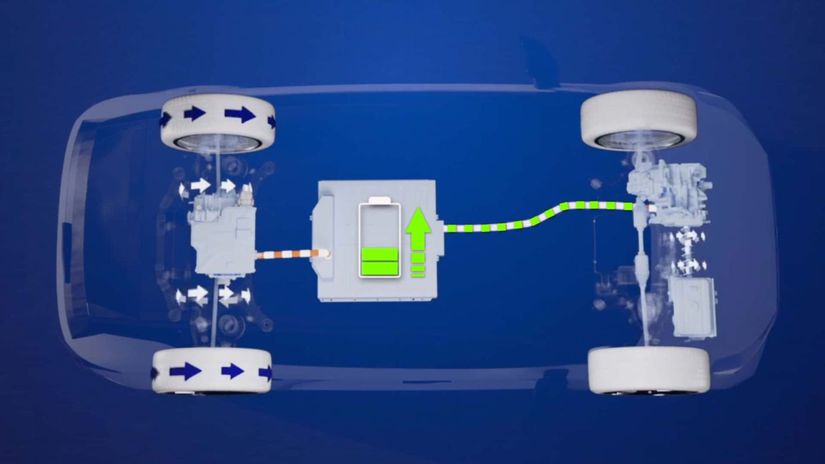
Renault has announced it will incorporate a fresh technical platform featuring range extender technology into upcoming generations of its Scenic and Rafale models. This solution, known as an EREV (Extended-Range Electric Vehicle), combines a fully electric powertrain with a small internal combustion engine that generates energy for the battery even as driving, but does not directly power the wheels.
Originally designed as a purely electric architecture, the new RGEV Medium 2.0 platform has been modified to accommodate a compact combustion engine functioning as a generator. According to Renault Chief Technical Officer Philippe Brunet, this configuration is intended to appeal to consumers who desire electric driving but remain concerned about limited charging infrastructure or range anxiety.
The fully electric versions of the forthcoming models are expected to offer a range of approximately 750 kilometers, while the range extender variant could potentially reach up to 1400 kilometers with a fully charged battery and a full fuel tank. The combustion engine solely produces electricity to maintain the battery’s charge, ensuring the vehicle operates consistently as an electric vehicle without the mode switching typical of plug-in hybrids.
 Čítajte viac NAF: Winter Range Test Disappoints, Except for One Slovakian Surprise
Renault has not yet disclosed specific technical details, but the company anticipates carbon dioxide emissions of around 25 grams per kilometer, which is lower than the current plug-in hybrid Rafale. The successors to the Rafale and Scenic models will be the first vehicles built on the new platform.
The automaker is also focused on reducing the cost of electric vehicles. The new architecture is projected to lower costs by up to 40 percent, primarily through the use of less expensive battery types. Renault stated it will avoid costly nickel, manganese, and cobalt-based battery cells, opting instead for forms of LFP batteries, which are more affordable and durable.
Range extender technology is currently prevalent in China, but is gradually returning to Europe and the United States. Renault is among the first traditional European brands to plan a wider rollout of the technology on the continent. This move comes as automakers navigate the transition to electric vehicles and address consumer concerns about range and infrastructure.
