
Sony and Hisense Drive Mini LED Innovation Ahead of 2026 Global Events
The high-complete display market is entering a new phase of competition as Sony and Hisense unveil advancements in Mini LED technology designed to challenge the current standards of LCD performance. From strategic partnerships with global sporting events to the introduction of specialized backlighting systems, the industry is pivoting toward more precise color reproduction and higher brightness levels.

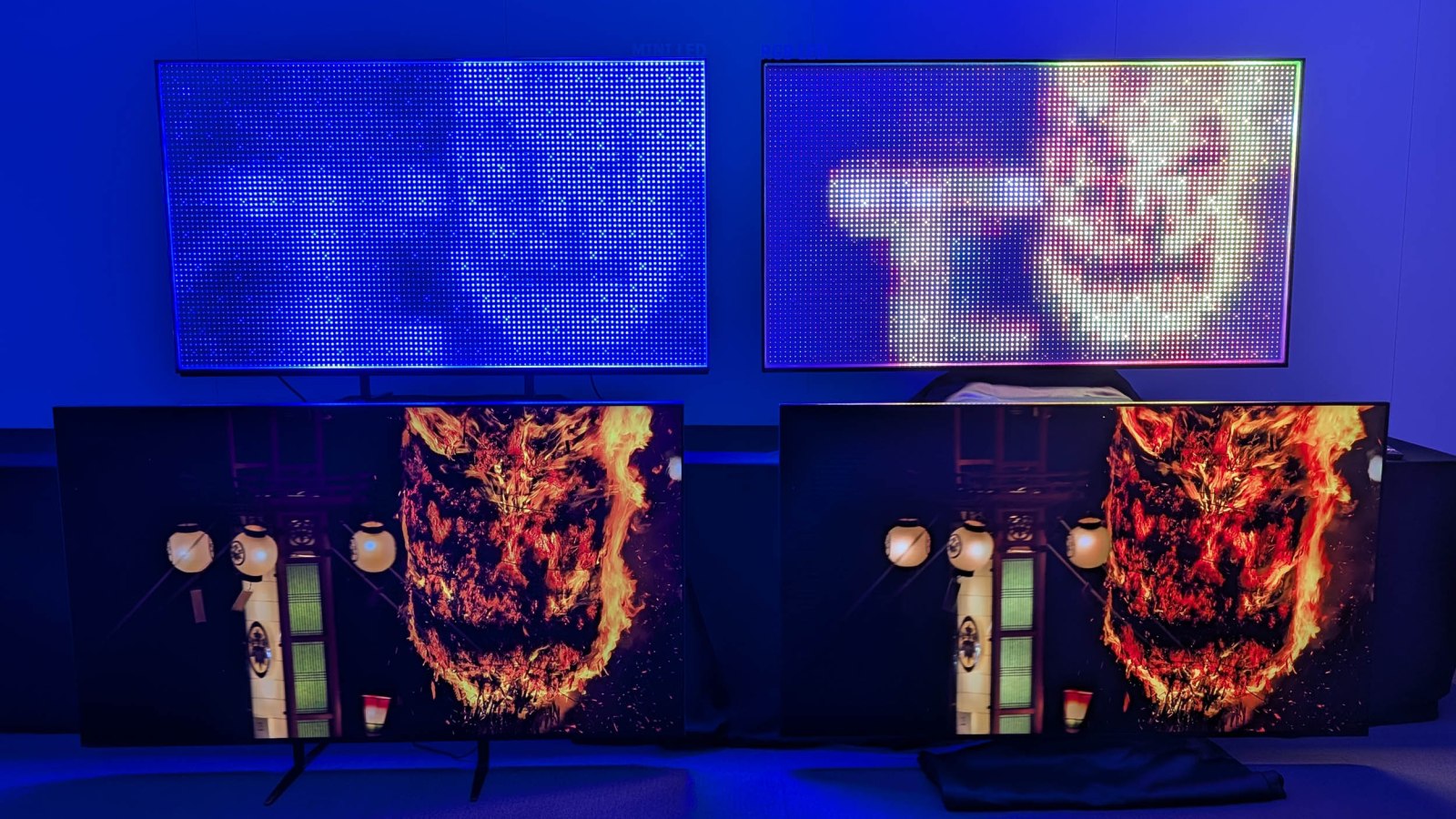
Sony is currently positioning itself to redefine the premium LCD segment with its True RGB technology. This new approach to Mini LED backlighting is engineered to push the boundaries of what high-end LCDs can achieve, with early demonstrations suggesting the technology is highly promising for consumers seeking professional-grade visual fidelity.
This shift toward RGB-based Mini LED systems signals a broader industry trend where manufacturers are moving beyond standard white LEDs to achieve more natural and accurate color palettes. This evolution is critical as the market for ultra-large screens expands, evidenced by the ongoing competition between massive panels like the Sony BRAVIA 5 98-inch Mini LED and the Hisense 100-inch U6 Series.
Hisense is simultaneously diversifying its hardware strategy to target both sports enthusiasts and gamers. The company has officially designated the U7S Pro Mini LED as the official television for the 2026 FIFA World Cup, leveraging the global tournament to showcase its display capabilities. In addition to its sports-centric focus, Hisense is expanding its gaming portfolio with the U7Q Pro, a model specifically optimized for gaming performance.
Further exploring the potential of color-accurate backlighting, the Hisense UR9S has too entered the fray, utilizing RGB MiniLED technology to enhance image quality. These developments highlight a competitive race to perfect Mini LED implementation, ensuring that the next generation of home cinema and gaming displays can provide deeper blacks and more vibrant colors without the typical trade-offs of traditional LCDs.
