
The price of jet fuel has more than doubled since the end of February, surging from $88 to $216 per barrel, as military escalation impacts global markets. This dramatic increase is significantly impacting the airline industry, which typically operates on average profit margins of just 4%.
The International Air Transport Association (IATA) has deemed the current financial situation unsustainable. According to Air Journal, IATA Director General Willie Walsh warned that these additional fuel costs will inevitably lead to a broad increase in airfare prices.
Summer Travel Set to Face Inflationary Pressures
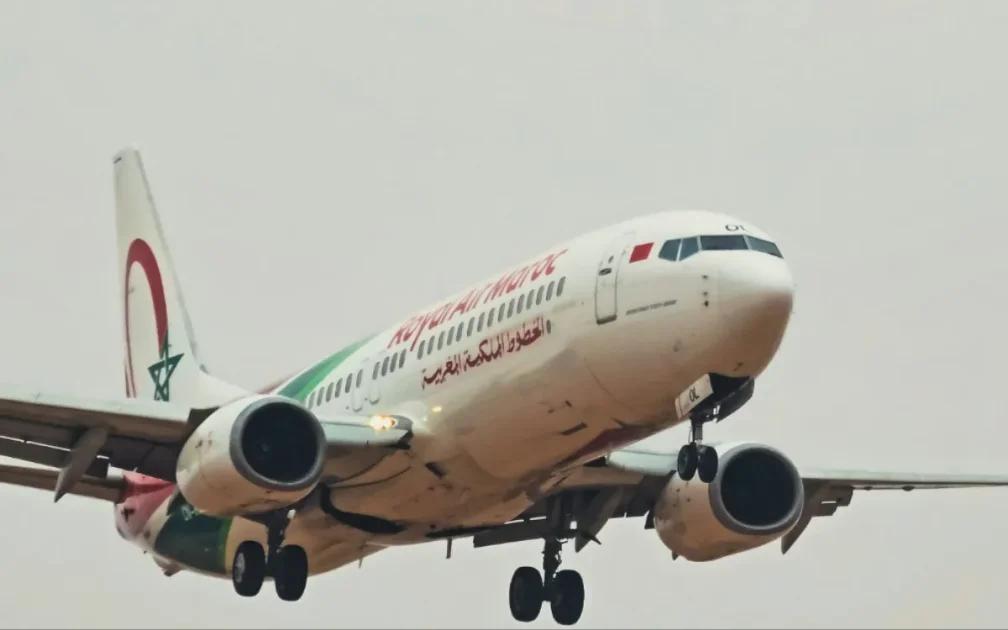
The widespread price increases will directly affect members of the Moroccan diaspora planning their return to the Kingdom for the summer holidays. Airlines are beginning to pass these unexpected costs onto passengers, as they are unable to absorb them, with Air France already implementing a €50 surcharge on certain tickets. This move underscores the challenges airlines face in balancing rising costs with maintaining passenger demand.
Logistical challenges are exacerbating the inflationary pressures. Flight path deviations to avoid Iranian airspace are significantly lengthening travel times and increasing fuel consumption, forcing the industry to ground approximately 600 aircraft to conserve fuel stocks.
While traditional carriers are struggling, low-cost airlines are temporarily mitigating the impact. Ryanair benefits from 80% fuel coverage through 2027, attracting a significant influx of travelers shifting to nearby European destinations. This highlights the competitive advantage of fuel hedging strategies in a volatile market.
Despite the uncertain climate and the disappearance of long-term supply guarantees, global demand remains robust. IATA anticipates that travelers, including those planning summer vacations, may shorten their trips while awaiting a hoped-for normalization within eight to ten weeks. The expectation is that demand will remain, but travelers may adjust their plans in response to higher prices.
