
The Dutch economy is navigating a period of heightened volatility as surging energy prices, driven by geopolitical tensions in the Middle East, threaten to accelerate inflation and disrupt the travel and transport sectors.
On March 24, 2026, De Nederlandsche Bank (DNB) issued a stark warning that the ongoing energy crisis could severely impact Dutch households and the broader economy. DNB Director Olaf Sleijpen characterized the current economic climate as “code orange,” suggesting it could potentially escalate to “dark orange.” According to the central bank, if high energy prices persist, the Netherlands could face stagnant economic growth, rising unemployment, and a significant decline in consumer confidence.
The report underscores the systemic nature of these price hikes, noting that energy costs frequently bleed into other sectors. DNB highlighted that the 2022 energy crisis demonstrated how high energy prices can drive up food costs, which in turn fuels demands for higher wages, creating a feedback loop that further accelerates inflation. While financial institutions like banks have not yet entered a crisis state—which Sleijpen defined as “code red”—the overall economic outlook remains precarious.
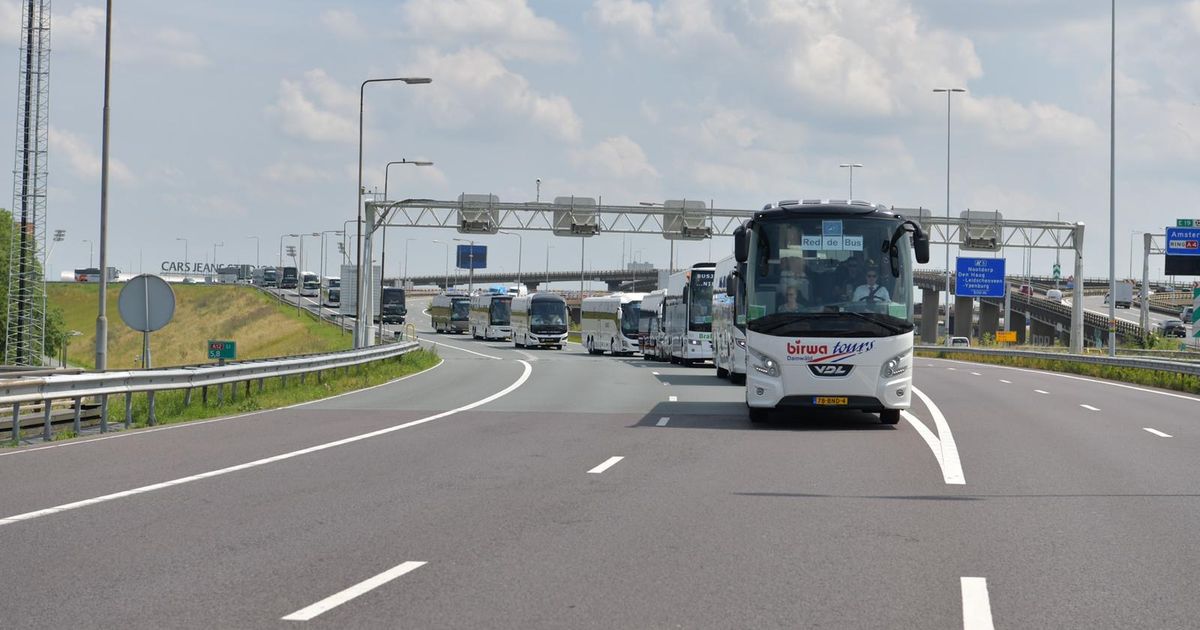
These macroeconomic pressures are already manifesting in the operational costs of the transport industry. In Friesland, several tour bus companies have begun implementing surcharges, citing the rapid escalation of diesel prices. This shift highlights the immediate struggle of logistics and travel providers to maintain margins amidst fluctuating fuel costs.
The ripple effect is likewise being felt by consumers planning their travel. The volatility has led to increased scrutiny over the legality and application of price adjustments, specifically regarding whether travel organizations can levy additional charges as a direct result of the energy crisis. Travelers are being warned that fuel surcharges can significantly increase the total cost of a vacation, depending on the applicable regulations.
As the cost of mobility rises, consumer behavior is shifting. Many travelers are now evaluating the current expenses associated with driving on holiday and considering if they need to modify their vacation plans to mitigate the impact of fuel price volatility.
