
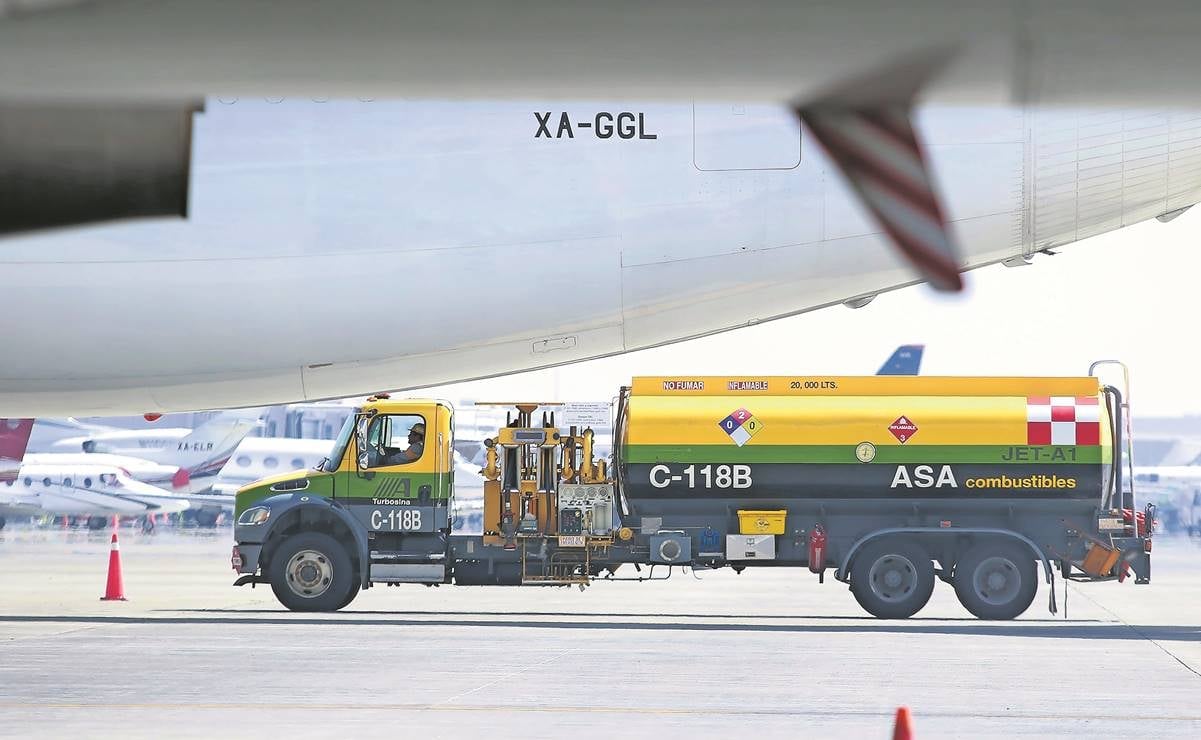
Geopolitical Conflict Spikes Jet Fuel Prices, Erasing Billions in Market Value for Mexican Airlines
Mexican aviation is facing a severe financial crisis as a geopolitical conflict in the Middle East sends jet fuel prices skyrocketing, wiping billions in market capitalization from major carriers and driving consumer airfares to record highs. The volatility underscores the fragility of global energy supply chains and the immediate impact of regional instability on international travel costs.
The turmoil stems from a conflict between the United States, Israel, and Iran that began on February 28, 2026. With refineries in the Persian Gulf operating under fire, refined fuel supply chains have been strained from Singapore to the Mexico City International Airport. This disruption has triggered what analysts describe as a global economic pandemic, where geopolitical shocks rapidly translate into operational costs for airlines. According to reports on the flights from Tehran, the impact has reached every corner of the aviation sector.
Data from the International Air Transport Association (IATA) reveals a staggering 118.9% surge in global jet fuel prices within a single month, with costs jumping from $95.95 to $197 per barrel. The price hike has been felt acutely across the Americas, with fuel costs increasing by 106.6% in Latin America and 95.5% in North America. Jet A-1, the international benchmark for aviation fuel, averaged $4.88 per gallon last week—nearly double the price seen before the bombings began.
For Mexican carriers, the financial blow is substantial. Jet fuel typically represents between 30% and 35% of an airline’s operating costs in Mexico. Aeroméxico and Volaris have collectively lost approximately 20 billion pesos in market capitalization since the onset of the conflict. INEGI data indicates that air transport costs increased by 21.86% during the first part of the period.
These operational pressures are being passed directly to consumers, leading to sky-high ticket prices. The situation is further compounded by the demand surrounding the 2026 World Cup. For instance, a round-trip flight from Mexico City to Guadalajara that cost roughly 2,500 pesos in March has surged to over 8,000 pesos on Aeroméxico for the week of the match against South Korea. Bloomberg reports that some global airfares have quintupled in price in just 30 days.
The surge in fuel costs is similarly creating significant pressure on the tourism sector, as jet fuel prices fly higher, threatening travel accessibility.
Looking ahead, the industry expects prolonged volatility. IATA forecasts a $26 per barrel differential between jet fuel and Brent crude for 2026, suggesting that aviation fuel will remain expensive even if crude oil prices stabilize. UBS estimates that jet fuel prices will remain more than 60% higher than levels seen prior to the start of the war.
