
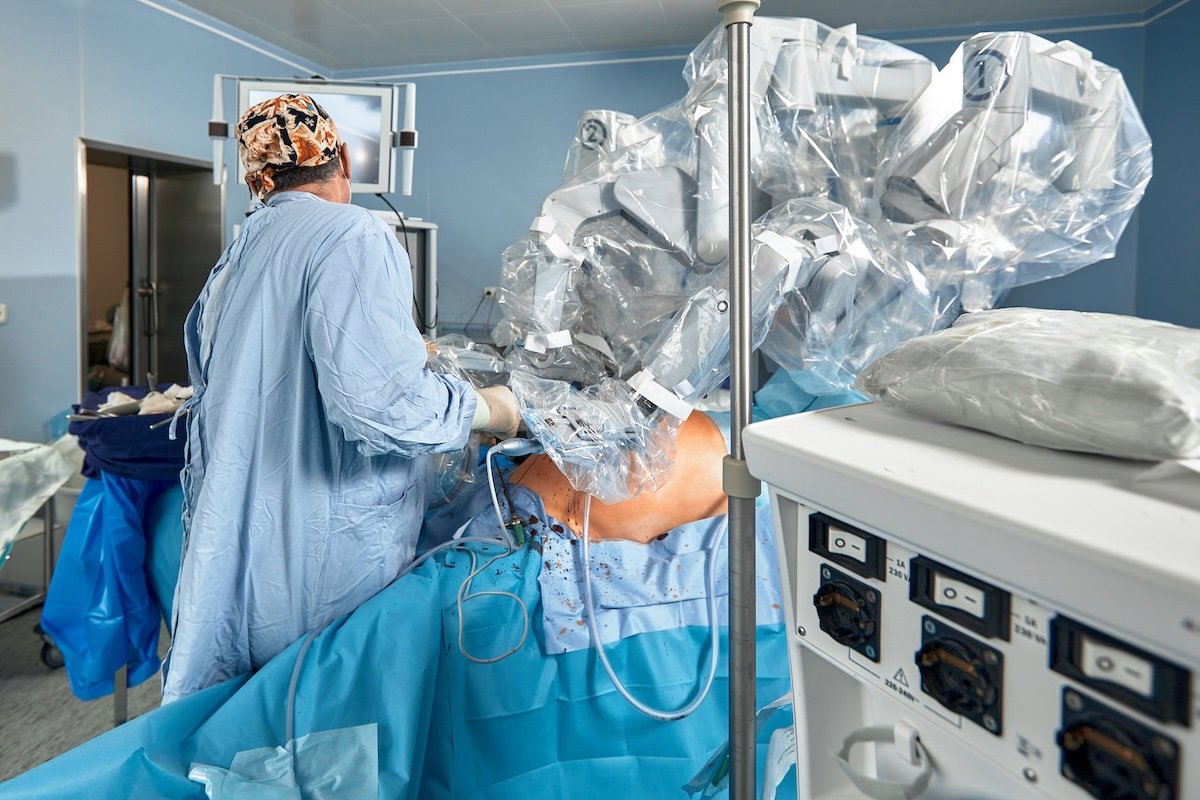
Madrid-based Ruber Internacional Hospital is reporting positive outcomes wiht robotic surgery for colorectal cancer,a disease affecting a important number of patients in developed nations. According to surgeon Francisco Javier die Trill, the minimally invasive approach is linked to faster recovery times, less pain, and improved cosmetic results for those undergoing treatment. The hospital’s insights come as medical professionals continue to refine techniques for early detection and comprehensive care of this common malignancy.
– RUBER INTERNACIONAL
MADRID, November 25 –
Robotic surgery for colorectal cancer offers patients a faster recovery, reduced post-operative pain, and improved cosmetic outcomes, according to Francisco Javier Die Trill, a general surgeon and coloproctology specialist at Ruber Internacional Hospital.
Colorectal cancer is a common malignancy in developed countries, affecting the colon and rectum – the final segments of the large intestine. The disease often begins as polyps, which can develop into cancerous tumors if not detected and removed promptly. Early detection and treatment are crucial for improving patient outcomes.
Die Trill explained that surgery remains a cornerstone of colorectal cancer treatment, alongside minimally invasive techniques like laparoscopy and robotic surgery. He emphasized that these advancements have significantly improved recovery and quality of life for individuals facing this diagnosis.
Early diagnosis is a key factor in the prognosis of colorectal cancer. Individuals should be vigilant for symptoms such as fatigue, chronic anemia, rectal bleeding, changes in bowel habits, or black stools. Recognizing these signs and seeking medical attention promptly can lead to earlier intervention and better results.
For tumors located near the anus, where surgery is more complex due to the proximity of nerves controlling continence and sexual function, robotic surgery provides distinct advantages. The technology allows surgeons to operate with “millimetric” precision, helping to preserve vital structures and minimize functional complications.
TREATMENT AND FOLLOW-UP CARE
Treatment for colorectal cancer often includes complementary therapies like radiation and chemotherapy, administered before or after surgery depending on the specific case. Each patient’s situation requires a personalized and multidisciplinary approach involving medical oncologists, radiation oncologists, and radiologists.
Following surgery, Die Trill stressed the importance of ongoing follow-up care to prevent recurrence and detect new polyps. This includes regular check-ups, tumor marker analysis, colonoscopies, and imaging tests. “We don’t just treat the cancer; we help the patient regain their functionality, emotional well-being, and normal life,” the doctor noted.
Recent strategies, such as the ‘Watch and Wait’ protocol, are also proving beneficial. This approach allows for avoiding immediate surgery in select cases of rectal cancer following a complete response to neoadjuvant treatment, but always under strict medical supervision.
