
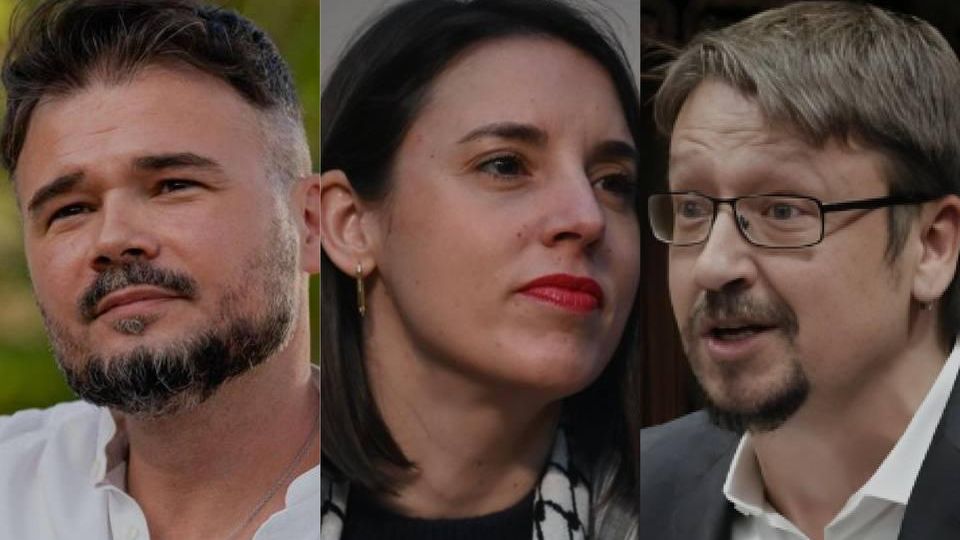
Gabriel Rufián, the spokesperson for Esquerra Republicana (ERC) in Congress and Irene Montero, a top leader within Podemos, met in Barcelona on April 9, 2026, to propose a new configuration for Spain’s left-wing political landscape. The event, held at the Universitat Pompeu Fabra (UPF), focused on the urgent need to reorganize the “alternative left” ahead of the upcoming general elections.
The public discussion, titled “Què s’ha de fer?” (“What is to be done?”), was moderated by former Comuns leader Xavier Domènech. The gathering comes at a critical juncture for the political left, which has faced a series of electoral setbacks and a leadership vacuum following the decision by Vice President Yolanda Díaz not to run as a candidate again. This move underscores the volatility of the current cycle as various factions vie for dominance in a state-wide coalition.
Central to the tension surrounding the event is a proposal championed by former Vice President Pablo Iglesias for a “tandem” electoral ticket featuring Montero and Rufián. According to reports, ERC leadership has dismissed the possibility of such a ticket, calling it “not possible.” Sources close to party president Oriol Junqueras suggest that the party does not support a joint ticket that would grant Podemos a preeminent role while pushing other allies, such as IU, Más Madrid, and Comunes, into secondary positions.
The internal rift within ERC was further highlighted by Junqueras’s decision not to attend the Barcelona event, a move seen as a clear signal of his rejection of the proposal. While some within the party worry that Rufián might eventually abandon ERC if he sees a viable path to leadership elsewhere, Rufián’s own circle has denied claims that he seeks to lead a state-wide Spanish list.
During the event, Montero and Rufián argued that Podemos should serve as the “driving force” for a unified state-wide left. Simultaneously, Rufián emphasized that ERC must remain the primary reference point for sovereignist left-wing movements within Catalonia. This effort to launch new proposals to reconfigure the political space has reportedly caused discomfort among some sectors of the secessionist movement.
The strategic maneuvering comes shortly after Podemos agreed to integrate into the “Por Andalucía” coalition for regional elections, a deal the party entered with expressed discontent over the terms. The Barcelona meeting serves as a latest milestone in a broader effort to consolidate a “Popular Front” capable of challenging the right, though the internal disagreements over leadership and regional identity continue to complicate the path toward unity.
