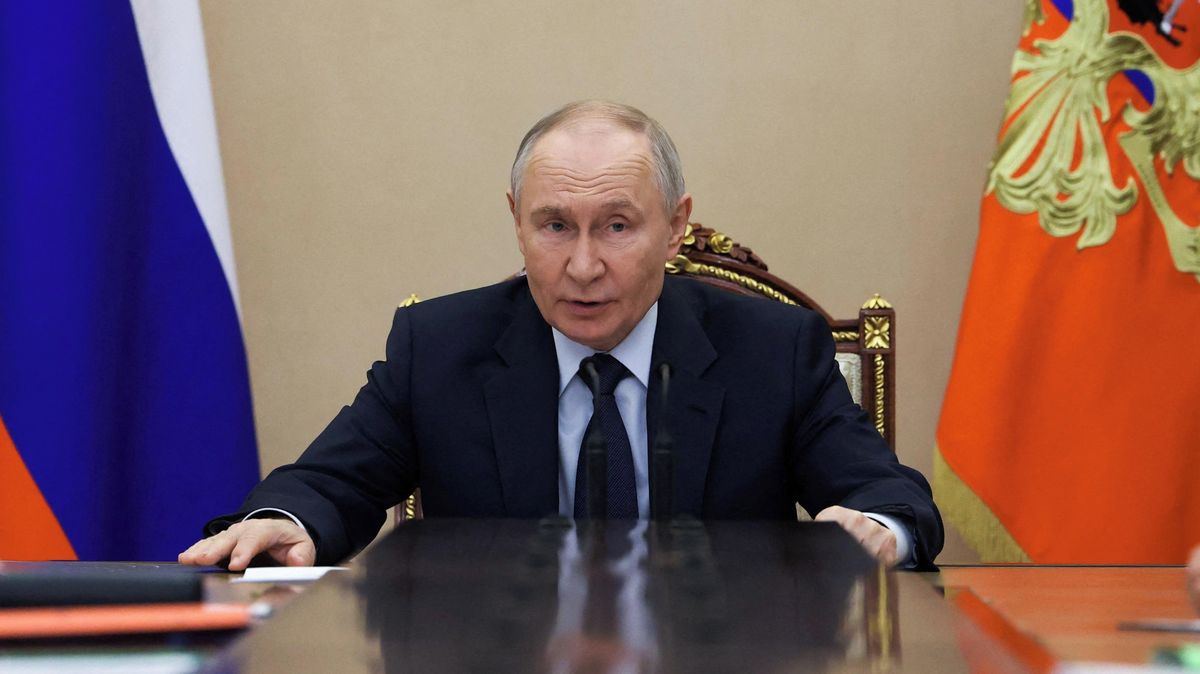
According to reports, Russian lawmakers have passed a bill granting the Federal Security Service (FSB) broad authority to shut down internet and mobile services.
The legislation, initially proposed late last year, was presented as a measure to protect Russian citizens and state institutions from security threats.
Officials also argued the bill would shield telecommunications companies from legal challenges, as regions across the country increasingly experience widespread internet and mobile service outages due to Ukrainian drone attacks.
Broad Powers Granted to Security Service
The bill, approved by 393 of 450 lawmakers, has undergone several revisions since its initial introduction, according to reports. Original language stating that restrictions would be implemented to protect people and the state, with reasons determined by national leadership, has been removed.
The FSB’s authority has also been altered, shifting from issuing “requests” for service interruptions to issuing binding “demands.”
Beyond internet and mobile services, the proposed law allows the security service to block regular phone calls, text messages, and even postal services. Igor Lebedev, Russia’s Deputy Minister of Communications, stated that some of the wording in the law is intentionally vague to “confuse the enemy.”
The final version of the law reportedly mirrors a secret decree signed by President Putin last August outlining the FSB’s powers over internet and mobile service providers.
The legislation now heads to the Federation Council, the upper chamber of the Russian parliament, for approval and then to the Kremlin for the president’s signature. No obstacles are anticipated in either process, according to reports.
How Can States Block Parts of the Internet?
Popular services like Twitter or Facebook, private email accounts, or even the entire internet can be blocked by a state at any time.
“The internet is a vast network connecting computers around the world. If someone wants to block selected websites or services, they would have to force the largest central internet providers to do so,” computer expert Václav Vaněček told reports.
Internet providers in countries like China or Iran receive orders from the state to block access to certain pages. They must enter commands into their routers – devices that manage internet connections – which prevent people from accessing this access.
VPN services, which create virtual tunnels across the internet, can also be blocked in the same way.