
Russian Travelers Seek Luxury Getaways in North Korea
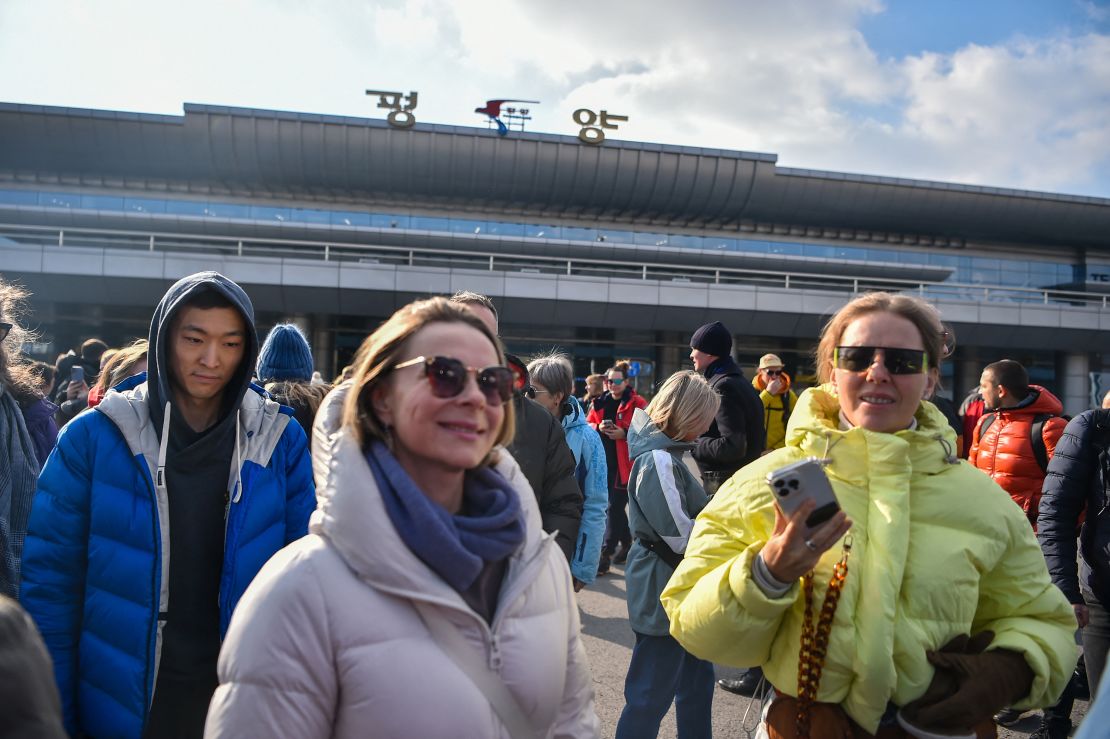
North Korea is emerging as a surprising luxury destination for Russian tourists, who are increasingly drawn to the country’s high-complete resorts and exclusive offerings. According to reports from April 5, 2026, Russian visitors are being treated as “privileged” guests, enjoying a level of access and freedom of communication not currently extended to other foreign nationals. In a notable shift in travel policy, other tourists—including those from China—are reportedly not permitted to enter the country at this time.
This trend was prominently displayed at the Moscow Tourism Fair, where travel agencies have begun aggressively marketing the hermit kingdom. The promotional campaigns feature striking imagery of expansive white sandy beaches and large North Korean flags, and some booths have even utilized inflatable ballistic missiles to attract attention. Marketing materials promise “exceptional service, five-star hotels, fantastic food,” as well as an exploration of the nation’s unique architecture and culture.
The rise in tourism highlights the strengthening strategic and cultural partnership between Moscow and Pyongyang, suggesting a deepening diplomatic alignment between the two nations.
Whereas interest in North Korea is growing, it currently competes with established favorites. At the same Moscow fair, where Oman served as the official guest, data indicates that Turkey and China remain the most preferred destinations for Russians. Other popular visa-free options include Vietnam, Thailand, the United Arab Emirates, and the Marxist one-party state of Laos. Observers note that one-party political systems currently seem to be a “hit” in terms of tourist appeal.
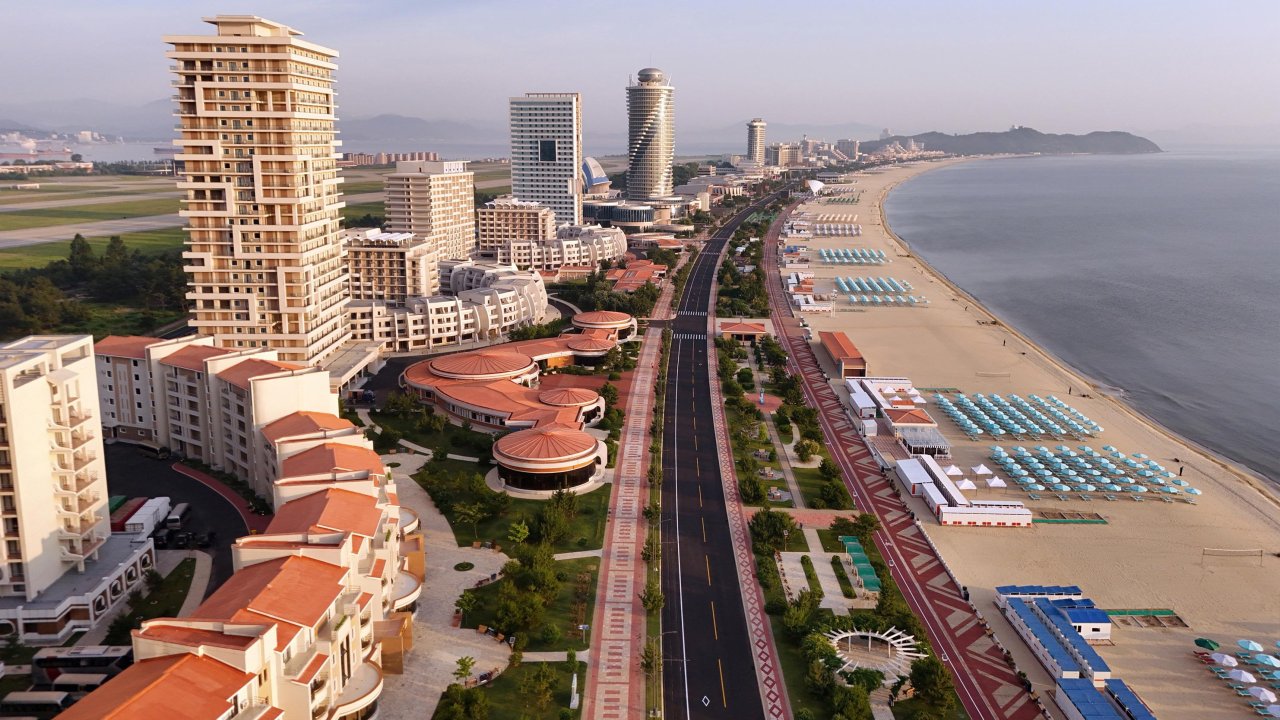
The development of luxury infrastructure is already underway, as seen with a new seaside resort in North Korea that has already welcomed its first Russian visitors. The location is of particular significance, as Kim Jong Un spent a substantial portion of his youth in Wonsan.
This shift in travel patterns may signal a broader geopolitical realignment, as luxury tourism becomes a tool for fostering closer ties between the two governments.
