
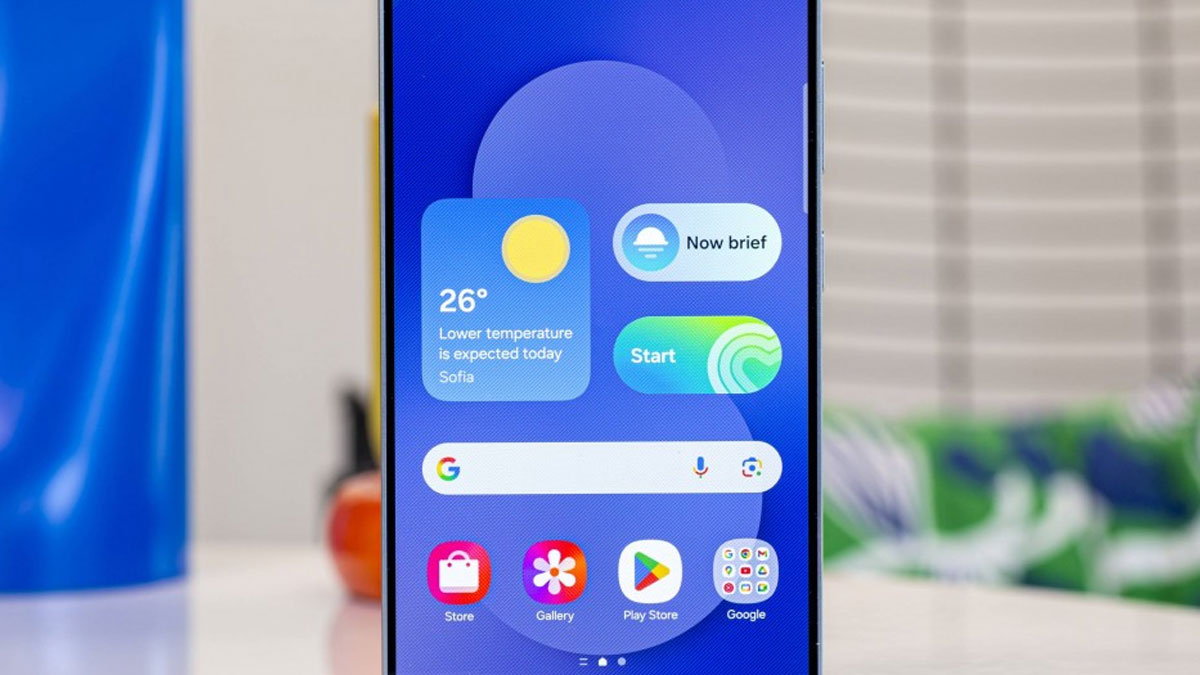
Samsung Galaxy S26 FE Leaks Reveal Exynos 2500 Chipset and Android 17 Integration
Early performance benchmarks have surfaced for the Samsung Galaxy S26 FE, suggesting a strategic focus on refined efficiency. According to a recent Geekbench listing, the device is powered by the Exynos 2500 SoC, signaling Samsung’s continued “N-1” chipset strategy. By utilizing a processor from the previous generation—similar to how the S25 FE utilized the Exynos 2400—Samsung can extend the lifecycle of its hardware while maintaining competitive performance for its “Fan Edition” lineup.

The Galaxy S26 FE test results indicate a notable bump in power over its predecessor. The device reportedly achieved a single-core score of 2,426 and a multi-core score of 8,004. These figures represent an approximate 15% increase in single-core performance and an 8% improvement in multi-core capabilities. The benchmarks were conducted on a unit equipped with 8GB of RAM running One UI 9 based on Android 17.
While internal specifications are the primary focus of the leak, other reports suggest the hardware may remain consistent with the previous iteration. The Galaxy S26 FE is rumored to feature a 6.7-inch OLED display with a refresh rate of up to 120Hz and a 4,900mAh battery, mirroring the specifications of the S25 FE.
Beyond the FE series, Samsung is reportedly addressing hardware stability for its premium tier, as the company prepares to release an update to resolve screen issues on the Galaxy S26 Ultra. This effort to refine the user experience coincides with the broader rollout of Galaxy AI, which aims to revolutionize daily workflows and enhance user experiences across all Samsung devices.
As flagship hardware specifications develop into increasingly standardized, the true value of high-end devices is shifting. According to recent industry observations, the “amazing” nature of a device is no longer the primary driver; instead, the value now lies in specific functional factors, such as the seamless integration of AI and software ecosystem stability.
