
GENERANDO AUDIO…
Mexico is intensifying efforts to curb a significant rise in measles cases that began in 2025, launching a vaccination campaign prioritizing young children. As the outbreak continues, a key question arises: do individuals over the age of 50 need to be vaccinated? Experts are now weighing in on this issue.
According to Samuel Ponce de León Rosales, coordinator of the Research Program on Epidemiological and Emerging Risks at the National Autonomous University of Mexico (UNAM), individuals under 50 who are unsure of their vaccination status should receive an additional dose. This recommendation aims to bolster immunity in a population potentially susceptible to infection.
However, those over the age of 50 are generally considered to not require vaccination. “Those over 50 do not require the vaccine since when they were younger, measles transmission was very intense and it is almost certain that they contracted it and, are immunized against it,” Ponce de León Rosales explained.
He further emphasized that individuals with incomplete vaccination schedules are the most vulnerable. “According to available evidence, having received at least two doses is fundamental to reducing the risk of infection,” he stated.
The current vaccination strategy reflects changes implemented following a global measles pandemic between 1989 and 1990, which saw widespread cases worldwide. Since then, a two-dose schedule has been established: the first dose at one year of age and the second at six years old, administered through the triple viral vaccine protecting against measles, rubella, and mumps.
Who is the Priority Group for Vaccination?
Eduardo Clark, Undersecretary of Sectoral Integration and Coordination of Healthcare Services, detailed that children between six months and 12 years of age are the priority group, whether for their first dose or a booster. This prioritization is crucial as younger infants haven’t had the opportunity to be vaccinated through the standard schedule, which begins at 12 months.
The campaign likewise includes:
- Children who have not received any doses.
- Those who received their first vaccine more than six months ago and haven’t received their second dose.
What are the First Symptoms of Measles?
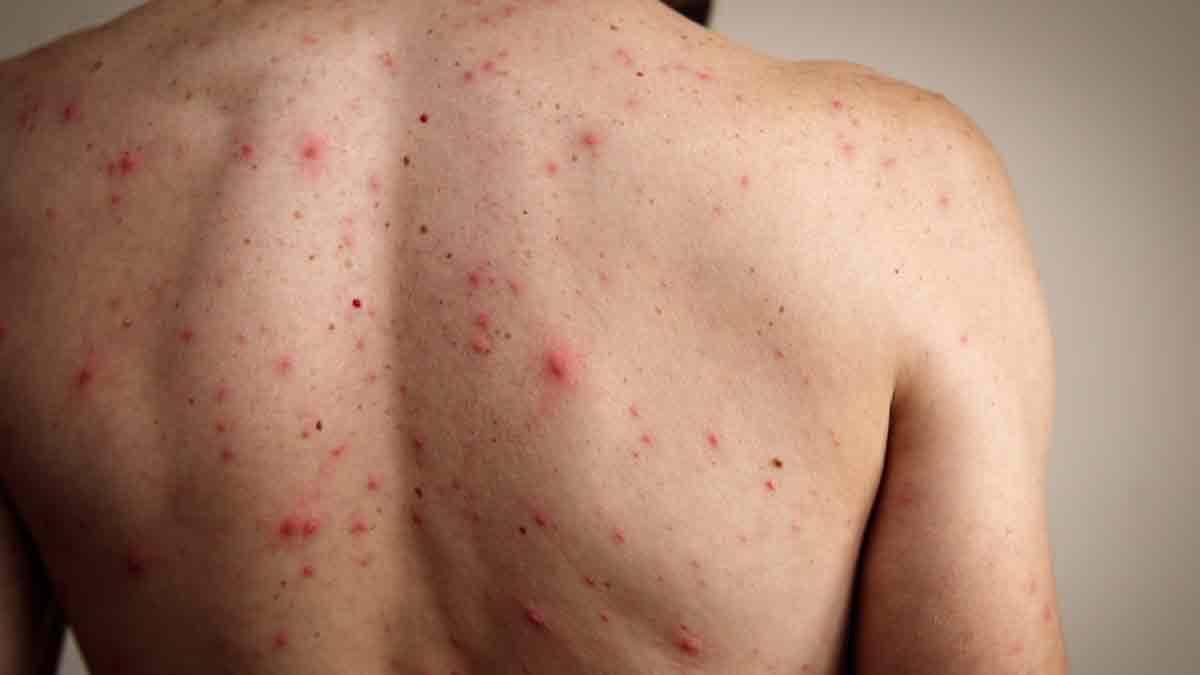
Measles is known for causing a rash with red spots. However, initial symptoms often resemble those of the flu or other respiratory illnesses, according to the Mayo Clinic. This can make early diagnosis challenging.
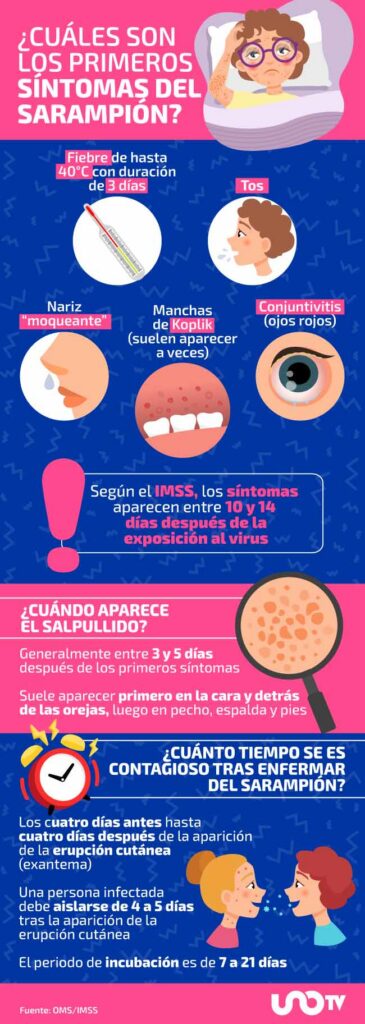
The Mexican Institute of Social Security (IMSS) highlights that the first typical symptom is the appearance of a fever lasting at least three days, accompanied by a cough, runny nose, and conjunctivitis (red eyes).
“The fever can reach 40°C (104°F) and, in patients with a weakened immune system, can develop into pneumonia,” IMSS noted on its website.
Symptoms typically appear between 10 and 14 days after exposure to the virus.
Another symptom is Koplik’s spots, small white spots inside the mouth.
IMSS also advises that patients should isolate themselves for at least 4 to 5 days after the rash appears. During this time, close contact with others, especially infants, pregnant women, and individuals with compromised immune systems, should be avoided.
When Does the Measles Rash Appear?
The measles rash generally appears between 3 and 5 days after the initial symptoms (fever, cough, runny nose, and conjunctivitis), according to IMSS. It usually starts on the face and behind the ears, then spreads to the chest and back, eventually reaching the feet over about three days.
Typically, the rash consists of flat or slightly raised red or reddish-brown spots that often merge together.
Measles is highly contagious from four days before to four days after the appearance of the rash, according to the World Health Organization. The virus spreads through the air when coughing or sneezing and can remain active in the environment for up to two hours. The incubation period is 7 to 21 days.
What is the Measles Situation in Mexico?
Measles reappeared in Mexico on February 14, 2025, with the confirmed case of a five-year-old girl in Oaxaca, according to data from the Federal Ministry of Health. This marked the return of the disease to the country.
Two months later, on April 16, 2025, 421 infections had been recorded in eight states, with a rapid outbreak concentrated in Chihuahua, which accounted for 403 cases.
As of February 12, 2026, the country has reported 9,351 confirmed cases and 28 deaths from measles, according to the Daily Report on the Measles Outbreak in Mexico. However, Moisés Nájera Torres, Secretary of Health of Durango, reported the first death of 2026 from measles in the state, potentially increasing the death toll to 29.
Jalisco leads the country with 2,365 cases, while Mexico City reports 217 infections. In the capital, cases have doubled in three weeks, rising from 97 to 217.
Where Can I Find a Vaccination Site?
Due to the high risk of infection, the Mexican government, in coordination with the Ministry of Health, has implemented vaccination programs in clinics across the country, including those within the Mexican Institute of Social Security (IMSS), regardless of affiliation.
The same applies to the Institute of Security and Social Services for Workers of the State (ISSSTE), Health Centers, and mass vaccination campaigns.
The measles vaccine is free, and individuals can verify the availability of the biologic at vaccination sites through a dedicated online page activated by the Ministry of Health.
It is recommended to bring your National Health Card, although vaccination is possible even without it.
If you have a complaint, report, or concern, contact Uno TV WhatsApp: +52 55 8056 9131. We are here to listen to you and provide voice to your story.Follow Uno TV on Google Discover and consult the news at the moment.
If you have a complaint, report or concern, contact Uno TV WhatsApp: +52 55 8056 9131. We are here to listen to you and give voice to your story.
Follow Uno TV on Google Discover and consult the news at the moment.
