
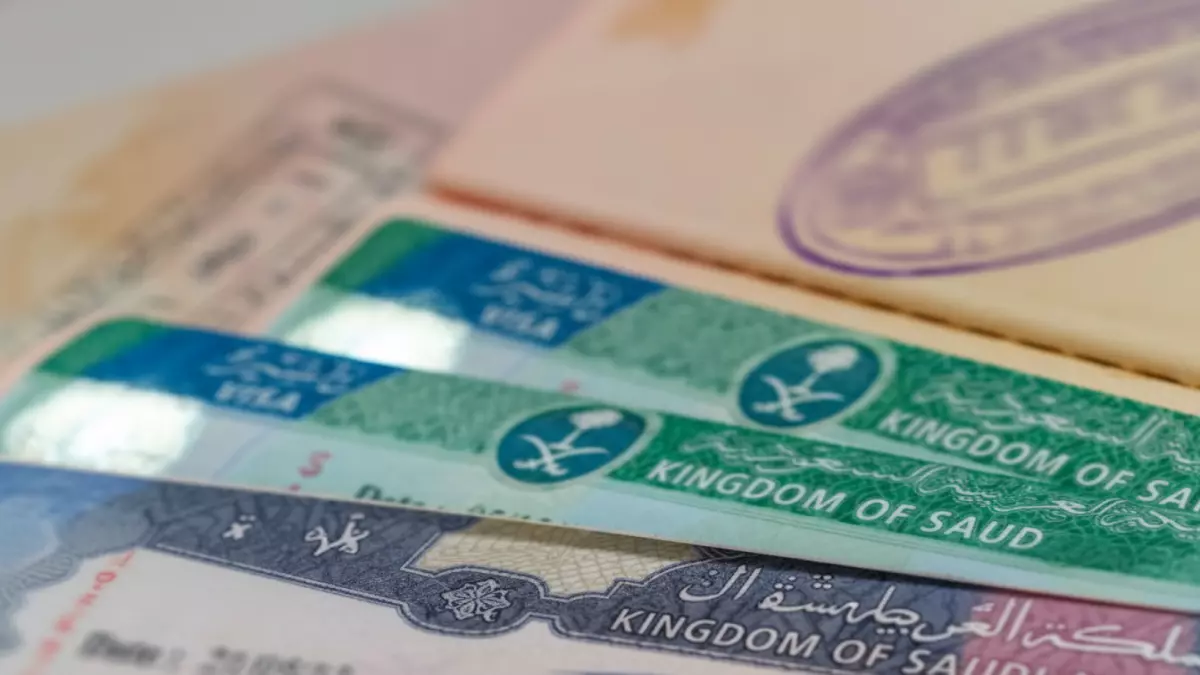
Saudi Arabia Overhauls Labor Market with Recent ‘Sponsor-less’ Visa and Kafala Reforms
In a landmark shift for the region’s labor landscape, Saudi Arabia announced a sweeping overhaul of its sponsorship system on April 6, 2026, introducing a new visa framework designed to grant foreign workers unprecedented professional autonomy. The move is expected to fundamentally change the lives of approximately 12.6 million foreign workers, effectively dismantling decades of restrictive employment ties.
The centerpiece of this reform is the introduction of a “sponsor-less” visa. This new permit removes the traditional requirement for a foreign worker to be tied to a specific Saudi employer, or kafeel. Under the new regulations, holders of this visa are granted the freedom to enter and exit the Kingdom independently and are permitted to sponsor their own family members, a move intended to increase stability and quality of life for the expatriate population. To qualify for this new visa, applicants must be at least 21 years old and provide documented proof of financial capability.
This transition represents a strategic move to dismantle a decades-old system, allowing millions of workers to accept direct control of their professional destinies. The shift aims to reduce legal disputes and eliminate the “arbitrary approvals” that previously limited a worker’s ability to change jobs.
Beyond the new visa, the Ministry of Human Resources and Social Development has implemented critical updates to the existing contractual relationship. Workers can now legally transfer their services to a new employer without the current sponsor’s consent in specific scenarios, such as the expiration of a documented employment contract or if the worker has not received their salary for three consecutive months. These new conditions for working with full freedom are designed to protect employee rights although maintaining a balanced relationship between labor and capital.
The implementation of these changes is being managed through a suite of digital platforms to ensure transparency and efficiency. Requests for service transfers are now processed via the “Qiwa” platform, while other applications and visa services are handled through the “Absher” portal and the official website of the Ministry of Human Resources. This digital transition ensures that the 2026 labor rules can be enforced consistently across the Kingdom’s diverse job market.
These reforms are a key component of Saudi Arabia’s Vision 2030, which seeks to modernize the national economy and enhance the global attractiveness of its labor market. By reducing the control of the sponsor and increasing the flexibility of the workforce, the Kingdom is moving toward international best practices in employment law.
Industry analysts suggest that the official abolition of the restrictive Kafala system marks a turning point in how the Kingdom manages its foreign workforce. By launching a new era of job opportunities, Saudi Arabia aims to create a more competitive, fair, and flexible environment for both employers and employees.
