
Former Lithuanian Prime Minister Saulius Skvernelis is facing intense scrutiny following allegations that he accepted a bribe totaling 51,000 euros. The accusations have sent shockwaves through Lithuania’s political landscape, prompting reactions from high-ranking officials and raising questions about the future of his political career.
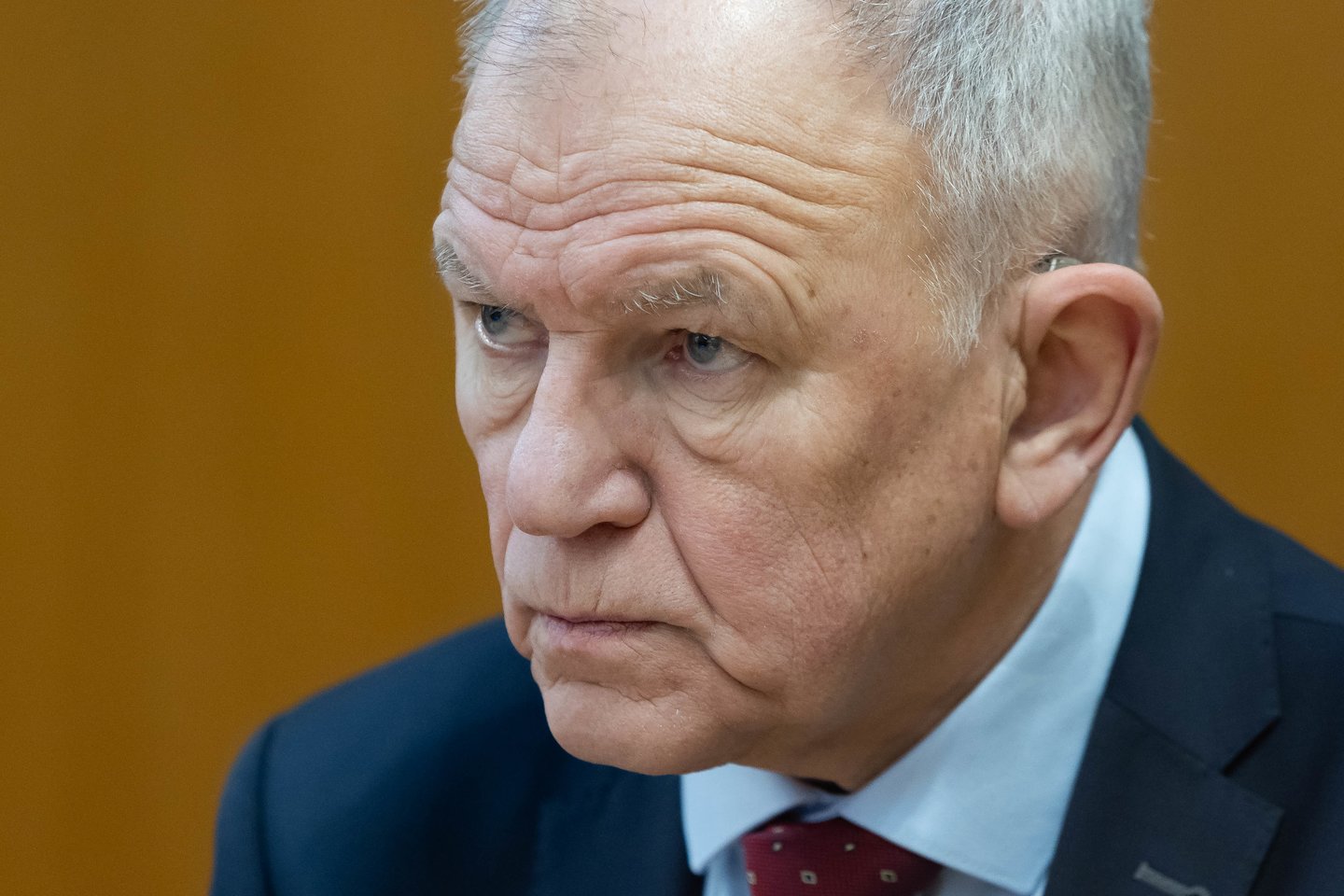
Vytenis Povilas Andriukaitis, the honorary chairman of the Social Democrats, expressed deep disbelief regarding the reports. Speaking on April 12, 2026, Andriukaitis stated, “It is incredibly difficult for me to believe this,” adding that he was “shocked” by the allegations. This reaction underscores the significant impact the probe has on the public image of one of the country’s most prominent former leaders.
The controversy stems from a broader corruption investigation led by the Special Investigation Service. On February 9, 2026, authorities conducted searches of Skvernelis’ home and his office in the Seimas as part of an inquiry into systemic corruption within the State Plant Service. While Skvernelis was questioned as a “special witness”—a legal status used when investigators examine a person’s actions without yet having sufficient grounds to file formal charges—the nature of the probe has position his leadership under fire.
Despite the legal pressure, Skvernelis has remained defiant. Following a party board meeting on February 23, 2026, the Democratic Union “For Lithuania” reaffirmed their support for him. Skvernelis told reporters, “I have not committed any unlawful actions,” and maintained that only a party congress has the authority to remove him as chairman.
The Democratic Union “For Lithuania,” which holds a 16-member faction in parliament, was founded in 2022 after Skvernelis departed from the Lithuanian Farmers and Greens Union (LVŽS). While a December poll showed Skvernelis leading popularity rankings with 8.2% support for his party, the current corruption probe threatens to destabilize that momentum.
Skvernelis, who served as Prime Minister from 2016 to 2020 and previously as Minister of the Interior from 2014 to 2016, has a long history in Lithuanian public service, including a tenure as police commissioner. The current situation highlights the precarious balance between political loyalty and legal accountability in the Baltic nation’s governance.
