
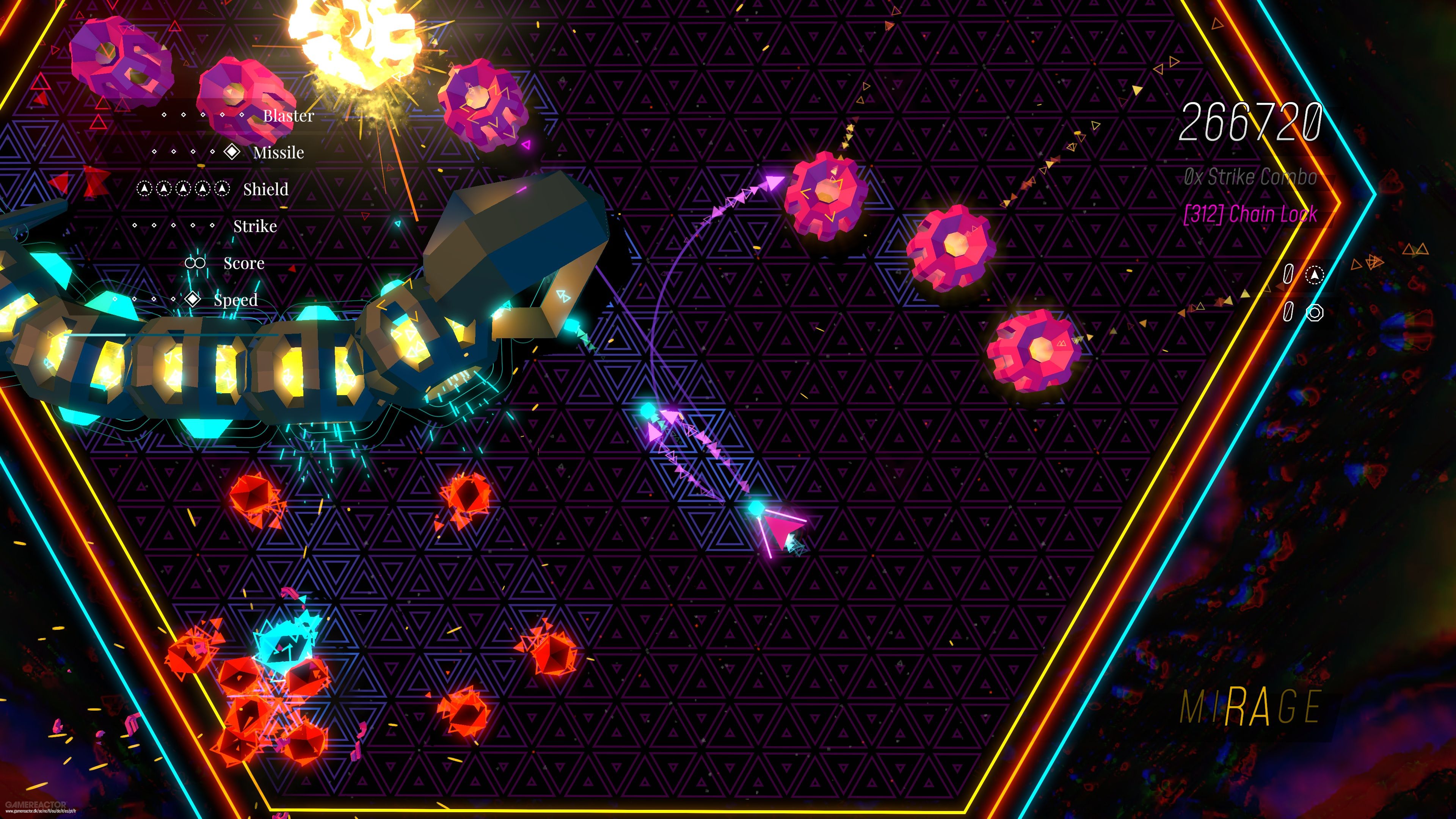
the fast-paced, minimalist shooter Sektori offers a unique challenge rooted in a genre requiring dedicated player focus. Developed solely by a designer with a background at Housemarque – the studio behind returnal and Saros – the game emphasizes randomized, run-based gameplay, streamlining the experience for quick, intense sessions. This review examines whether Sektori successfully delivers on its core premise despite its intentionally limited scope and repetitive elements.
The dual-joystick shooter genre, while popular, isn’t a category everyone is intimately familiar with. That’s not to say it’s a weakness, but rather a reflection of a broad gaming background. Having explored numerous game types, a certain level of confidence is usually present. However, dedicated time with the dual-joystick shooter has been limited, despite acquiring an arcade stick several years ago with the intention of diving deeper. Without recent focused study – or at least, as far as memory serves – revisiting the genre proved an interesting challenge.
Sektori is a fast-paced, minimalist shooter where one joystick controls ship movement while the other handles aiming and firing. The game boasts a sleek, stripped-down aesthetic paired with a vibrant electronic dance music soundtrack. This combination, coupled with its high speed, creates an adrenaline-fueled experience. Players quickly learn to watch for red squares appearing on the track, signaling an impending change. These squares can shrink, expand, or even split into separate areas, demanding constant attention to keep the ship – shaped like an arrow – safe. Three hits to the shield, and the game ends, sending players back to the beginning. Survival requires navigating these frequent “battlefield elements” while simultaneously engaging in intense shooting action. Enemies appear as variously colored blocks, and players must dodge the increasing density of projectiles at the end of each level, all while maneuvering through the constantly shifting environment.
Beyond the constant barrage of shots, a short-range dash offers a brief respite and offensive maneuver. This allows players to quickly traverse the screen and destroy obstacles, but requires a recharge period after use. Destroyed enemies leave behind small symbols that, when collected, fill a meter. As the meter levels up, players can equip upgrades for their ship. This mechanic adds a layer of strategic resource management to the otherwise frantic gameplay.
This is an advertisement:
Sektori delivers on its core premise. The game features a five-level campaign, ship customization options, and a selection of challenges and game modes. However, the experience is intentionally streamlined. The entire game was developed by a single person with a background at Housemarque, the studio behind titles like Returnal and the upcoming Saros. The developer emphasized the importance of unique run-based gameplay, where level paths are randomized, eliminating the need for rote memorization.

The randomized level design is a particularly strong element. Watching each run unfold differently is engaging, even if the ultimate goal remains consistent. The sequence of events is unpredictable, with the playfield potentially narrowing, expanding, or even splitting into multiple areas connected by portals. The pace is relentless, demanding focus with each run. The classic “one more run” feeling quickly takes hold, finding oneself attempting to beat a previous high score long after initially intending to play for just a few minutes. The shifting nature of the arena, and the lack of a repeating pattern, keeps the experience relatively fresh.
However, the game doesn’t offer enough variation. The visuals are stylish, a deliberate choice of simplicity that contrasts with the energetic electronic music, giving the overall presentation a unique feel. But that feel can become repetitive. The interface, lines, symbols, and colors are all clean and minimalist, but lack evolution. The entire game offers about an hour of “this is neat,” but the lack of distinct environments – beyond the on-screen action – means there are few visual surprises. The game loop itself feels similarly monotonous. A more developed narrative or greater differentiation between game modes would enhance the experience. Ultimately, it feels like a mobile game designed for short, repetitive sessions. Or, perhaps, that’s unfair, given the amount of action happening on screen.
This is an advertisement:

The method of collecting and activating power-ups also contributes to the game’s feeling of monotony. Choosing to boost the ship’s speed – the first upgrade available – resets the meter, requiring players to recollect symbols to access subsequent upgrades. This necessitates holding onto collected items for an extended period to obtain items like missiles or a new shield. It’s a risk-reward system, but often feels frustrating and exacerbates the sense of repetition. The intention is to maintain a constant level of challenge, preventing players from becoming too powerful. However, a better balance between challenge and reward would be preferable. Instead, whether playing for one round or seven minutes, each run feels largely the same, becoming tedious.
While the soundtrack is rhythmic, it isn’t particularly memorable. The bass from nearby speakers kicks in, but a more catchy melody would make the experience more exhilarating. The overall feel is reminiscent of the excellent Rez, but lacks the standout audio that made its minimalist design so impactful. After roughly twenty to thirty minutes of playtime, enjoyment began to wane. It’s simply too simplistic and quickly becomes repetitive. Even with its existing merits, each brief session offers a test of reflexes and patience – but once turned off, it’s quickly forgotten. The rise of independent game development continues to deliver unique experiences, but Sektori, while competent, doesn’t quite reach its full potential.
