
A new study published Monday in the Journal of the American Medical Association Pediatrics reveals a concerning rise in self-harm among young Canadians, particularly girls. The research highlights a growing trend that experts believe may be linked to social media apply. Understanding these patterns is crucial for developing effective public health interventions and support systems for vulnerable youth.
Researchers found that the rate of individuals aged 24 and under seeking medical attention for self-harm increased by an average of 3.5% annually between 2000 and 2024. Over the 25-year study period, the rate more than doubled, according to lead author Dr. Natasha Saunders. This significant increase underscores the urgent require to address the factors contributing to this troubling trend.
Margaret Boldt, a resident of Windsor, Ontario, is among those affected. For three years, she engaged in self-harm as a way to feel a sense of control in her life. Her experience sheds light on the personal struggles driving this public health concern.
Boldt recounts growing up in a home marked by violence and struggling with an eating disorder. She began self-harming at age 16.
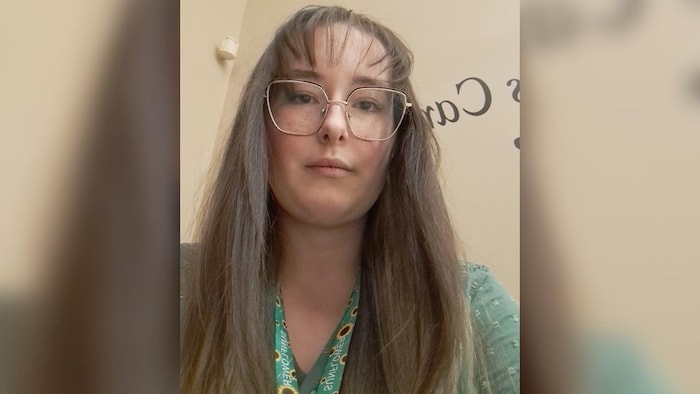
Margaret Boldt s’automutilait pendant des années. Elle suit désormais un programme de désintoxication.
Photo : Fournie par Margaret Boldt
“At first, I almost wanted people to notice, given that I wanted them to know how much I was suffering,” she said. “When it became more of an addiction, I started to hide it more.”
The self-harm became so severe that she frequently required hospital visits for stitches, sometimes every other day or even daily during certain weeks.
Boldt then turned to substance use, realizing that being under the influence prevented her from self-harming. Now 20 years classic, Boldt reports she has not engaged in self-harm for five months and is currently in a detoxification program.
Rising Trend, Especially Among Girls
Dr. Saunders’ study revealed that in 2000, there were an average of 10.2 medical consultations related to self-harm per 10,000 people. Over the years, this rate increased by 3.6% annually among girls, compared to 1.2% annually among boys. This disparity highlights the need for targeted interventions and support for young women.
This tells us that our children are not doing well, and if we don’t put a brake on this trend and take the necessary steps to reverse the trajectory, we are going to have big problems.
The authors also noted a 2.5% annual increase in the rate of self-harm cases reported by young people.
“We are seeing it on the ground: I see it in my practice, in the hospital, we are even seeing it in pediatric services,” said Dr. Saunders, who is also a pediatrician at Toronto’s SickKids Hospital. She added that the magnitude of the trend still surprised her.

The study’s lead author, Dr. Natasha Saunders, works at SickKids Hospital in Toronto. She also notes an increase in self-harm cases among young people in her work.
Photo : Radio-Canada / Patrick Morrell
Her large-scale analysis reviewed 42 studies conducted between January 2000 and December 2024, involving over 234 million people. The research came from a dozen high-income countries, including Canada, Australia, and the United Kingdom. The upward trend was observed across all countries studied. These findings reinforce the global nature of this growing public health issue.
These studies either tracked hospital visits related to self-harm or examined surveys based on self-reported data.
Dr. Saunders is most concerned that these numbers are likely largely underestimated
.
Many people self-harm without seeking medical attention, she explained. What we are seeing is really just the tip of the iceberg.
A Warning Sign
While self-harm is not a mental illness in itself, it can be a symptom of one and also puts those affected at increased risk of suicide
, explained Dr. Rachel Mitchell, a child and adolescent psychiatrist at Toronto’s Sunnybrook Hospital.
If you learn to hurt yourself to cope with difficulties, you end up resorting to it constantly as a way to relieve pain. Eventually, this simply makes us less sensitive to the idea of taking more serious, more fatal actions.
This is particularly concerning for Dr. Mitchell, who was one of the authors of a 2023 study revealing an increasing number of young girls in North America are dying by suicide.
The Impact of Social Media
While the study on the rise in self-harm cases does not explore its causes, Dr. Saunders believes social media plays a role.
Young people are overwhelmed by everything that is happening right now. You’ll see global events that are upsetting, she maintains. Information reaches them at a rapid pace.
We are not giving them the tools they need to help them regulate their emotions and cope with these situations.
She believes social media is likely not the sole cause and may even offer a safe space for people in distress.
Dr. Mitchell explained that the more pronounced increase in self-harm cases among girls could be due to the fact that they spend more time online and are more likely to compare themselves to others.
Boldt, the young woman from Windsor, said that social norms and pressure to fit in played a role in her case.
Her friend, Jessica Pauli, who is also undergoing treatment for substance use, said she self-harmed for years.

Jessica Pauli dit qu’elle s’automutilait depuis qu’elle était en 8e année. Maintenant âgée de 26 ans, elle se rétablit depuis environ deux ans.
Photo : Fournie par Jessica Pauli
While social media didn’t encourage her, Pauli remembers a time when content about self-harm was more readily accessible and shared online.
It’s scary to see that suicide […] can really be glorified and presented as something cool
, she said.
Life is sometimes difficult, but you have to uncover a way to deal with it in a healthy way, because you just end up putting sticks in your wheels if you make bad decisions.
The Canadian government has sought to regulate social media and launched public consultations to that effect in 2021. The bill was, however, rejected in January 2025, following the dissolution of Parliament.
Ottawa states it still intends to move forward with such a legislative framework, but has yet to announce any plans.
Where to Find Help
-
If you are struggling with suicidal thoughts, call or text 988 to reach the Suicide & Crisis Lifeline.
-
For mental health support or if you are grieving a loss due to suicide, visit the website (nouvelle fenêtre) of the Canadian Association for Suicide Prevention for support services.
-
Kids Help Phone: visit this site (nouvelle fenêtre) to chat with a crisis responder.
With information from Jennifer La Grassa
