
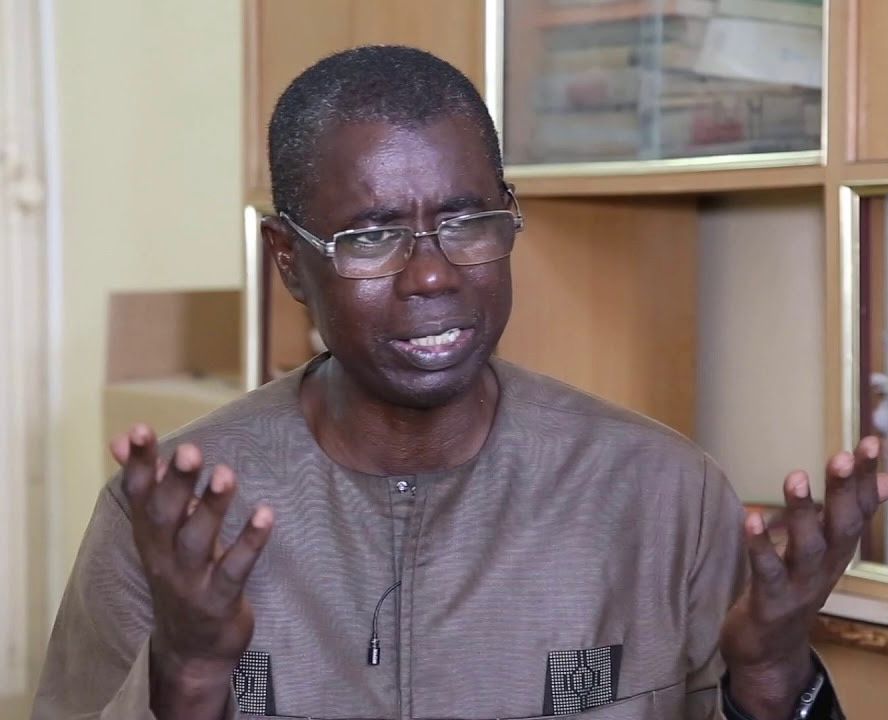
Senegal’s higher education system is facing significant structural challenges, primarily stemming from its reliance on state funding, according to a recent analysis by former Cheikh Anta Diop University (UCAD) Rector Abdou Salam Sall.
Speaking on Radio Sénégal’s “En Vérité” program on February 15, 2026, Sall argued that the current financial model is unsustainable. “The biggest problem with our universities is that the state is the only one putting money into them,” he said, emphasizing the substantial resources required to maintain a robust higher education system.
Sall drew comparisons to American universities, noting that some institutions have budgets exceeding Senegal’s national budget, even without achieving high global rankings. He believes Senegalese universities need to diversify their funding streams, allowing the state to increase its contributions while attracting investment from other sources, including banks.
He pointed to the APEX model in France as a potential solution, where graduates contribute financially through payroll deductions to support professional integration. Sall revealed he previously attempted a similar initiative with the UCAD Foundation, but it failed due to a lack of institutional support. “If a million graduates each gave 10,000 FCFA, that would be 10 billion,” he illustrated, advocating for greater confidence in national capabilities.
The weight of student scholarships is also hindering investment in higher education, Sall contends. He stated that the widespread implementation of scholarships in 2000, following the death of student Balla Gaye, occurred without sufficient impact studies.
“The scholarship is so heavy for the state that it prevents proper investment in higher education,” he argued, recalling a time when fewer students attended university and not all received financial aid.
To address these issues, Sall called for a standardization of the academic year and a comprehensive reform of training and examination organization. He proposed introducing a credit system to alleviate the financial burden associated with scholarships. The move could potentially streamline funding and improve resource allocation within the system.
Sall believes a lasting solution to the university crisis requires a complete overhaul of the funding model and a structural reform of the academic system, ensuring quality, stability and economic viability.
