
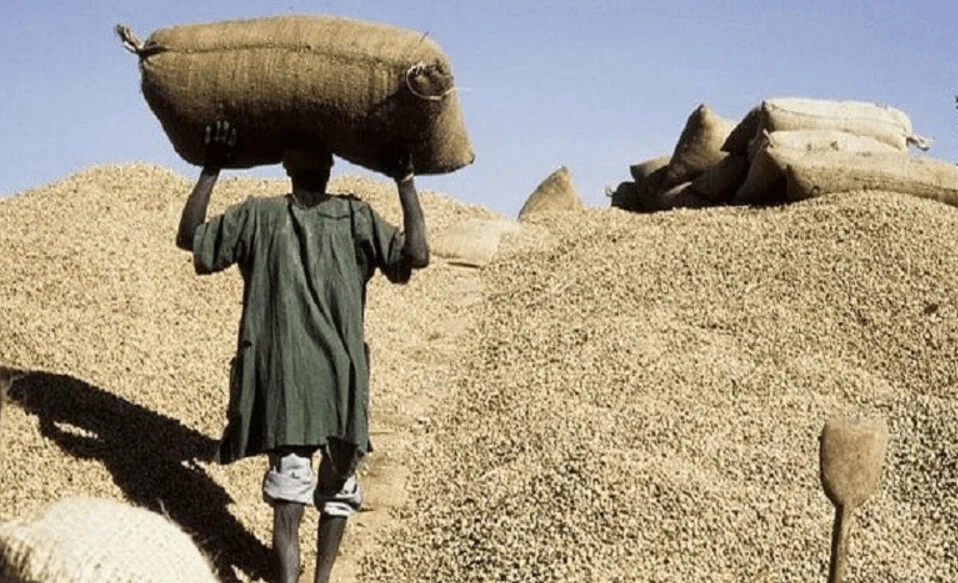
Diamniadio, Senegal – In a significant shift for one of its key agricultural sectors, the Senegalese government is now permitting direct exports of peanuts by farmers and merchants, starting Tuesday. The move aims to address persistent challenges within the industry-including price volatility and logistical bottlenecks-that have impacted producers across the West African nation. Minister of industry and Commerce Serigne Guèye Diop announced the change following multi-stakeholder discussions focused on opening new markets, particularly in China, for SenegalS peanut crop.
Diamniadio, Senegal – The Senegalese government has authorized farmers and merchants to begin exporting peanuts to international markets, effective Tuesday, according to an announcement made by the Minister of Industry and Commerce, Serigne Guèye Diop.
The move comes as Senegal seeks to streamline its peanut trade and provide more options for producers. Diop made the announcement following a meeting with stakeholders in the peanut industry in Diamniadio.
“This meeting aimed to open peanut trade to the international market,” Diop said. “Starting today, we have decided, in collaboration with all stakeholders, to authorize everyone to export peanuts to China and other countries.”
Senegalese authorities have confirmed with the Senegalese ambassador to China that Chinese partners are prepared to work with Senegalese exporters, Diop added. “The Chinese are ready to come and work with Senegalese people for the export of peanuts,” he assured those present at the meeting.
The government will impose strict conditions on exports, focusing on peanut quality, traceability of sales volumes, customs controls, and the repatriation of foreign currency to Senegal, officials said.
An estimated 300,000 to 450,000 tons of peanuts are expected to be exported during the current campaign. “This means that the state wanted to liberalize the sector this year, allowing farmers to have multiple points of sale for their peanuts,” Diop explained.
Senegalese customs officials have been instructed to increase oversight of exports, and financial institutions have been asked to support exporters with funding. The National Oilseed Marketing Company of Senegal (SONACOS) will purchase between 250,000 and 450,000 tons of peanuts from farmers and merchants, according to the minister.
Prime Minister Ousmane Sonko recently discussed challenges facing the peanut industry during a cabinet meeting last week, following visits to meet with producers, merchants, transporters, banks, local authorities, and state technical services.
Those discussions revealed ongoing issues related to peanut prices, a lack of merchant liquidity, export taxes, an insufficient number of sales points, and delays in unloading trucks, according to the Prime Minister’s assessment. The move to open exports underscores the government’s effort to address these longstanding concerns.
