
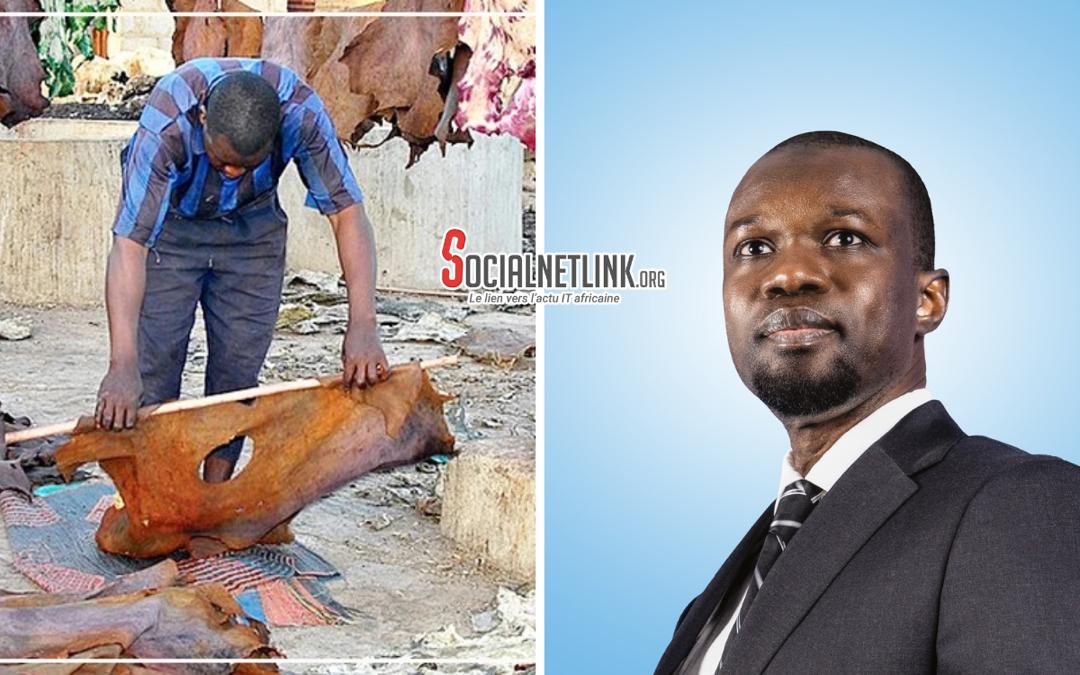
Senegal Prioritizes Leather Industry in New Investment Plan
Dakar – Senegal’s government is making a significant push to develop its leather and hides industry, outlining plans to transform the sector into a major economic driver. The initiative, announced February 18, is a key component of the country’s Special Investment and Financing Plan for 2026-2028, aimed at diversifying the economy and creating jobs.
Untapped Potential
Prime Minister Ousmane Sonko highlighted a striking paradox within the country: a substantial livestock population – including cattle, sheep, and goats – coupled with recognized artisanal skills, yet a lagging industrial sector. Currently, over 70% of Senegalese hides are exported in their raw form, depriving the nation of substantial revenue. This situation is further complicated by a significant informal market. Less than 5% of hides are processed locally, meaning the vast majority of added value is created elsewhere.
Boosting National Economic Sovereignty
The government views developing the leather industry not merely as an economic opportunity, but as a crucial step toward strengthening national economic sovereignty and expanding the industrial base. According to a statement released by the Council of Ministers, the strategic development of the sector is considered “one of the levers to accelerate the National Transformation Agenda.”
The plan aims to move beyond the extraction of raw materials and focus on high-value segments such as leather goods, automotive upholstery, and furniture manufacturing. This shift is expected to better align sector policies with territorial development.
Ambitious Growth Projections
Government projections indicate the leather and hides industry could generate a turnover exceeding 1,549 billion FCFA (approximately $2.5 billion USD) by 2034. Perhaps more importantly, the initiative is forecast to create over 130,000 formal jobs. This growth is expected to drive economic inclusion by providing opportunities for young people and women, formalizing the sector, and improving incomes in rural areas, according to the Prime Minister’s office.
“it can become a major lever for economic inclusion, by promoting the integration of young people and women, consolidating the formalization of actors and sustainably improving incomes in the territories,” the government stated.
Regional Hubs for Leather Production
The national strategy will center around the development of regional industrial hubs. Prime Minister Sonko identified the Centre and West Territories as key areas for revitalizing the industry. These regions are intended to become “the priority space for structuring the sector, modernizing production and moving up the industrial scale.”
The government’s ambitious roadmap seeks to transform a traditionally artisanal and informal sector into a high-performing industry capable of significantly contributing to the country’s trade balance and creating thousands of jobs nationwide. Further details on the investment plan, including the development of the Leather and Hides sector, are available online.
The focus on the leather industry underscores Senegal’s broader efforts to diversify its economy and reduce reliance on traditional sectors.
